
At its simplest, gluten-free means avoiding wheat, barley, rye and their derivatives — but the real complication for Thanksgiving is hidden gluten. Seasoned stocks, instant gravy mixes, biscuit or crouton toppings, soy sauce, and some spice blends often contain malt, wheat flour, or hydrolyzed wheat protein. A quick habit: scan ingredient lists for wheat, malt, barley, rye, brewer’s yeast, and “natural flavors” only when paired with statements that could hide cereal grains.
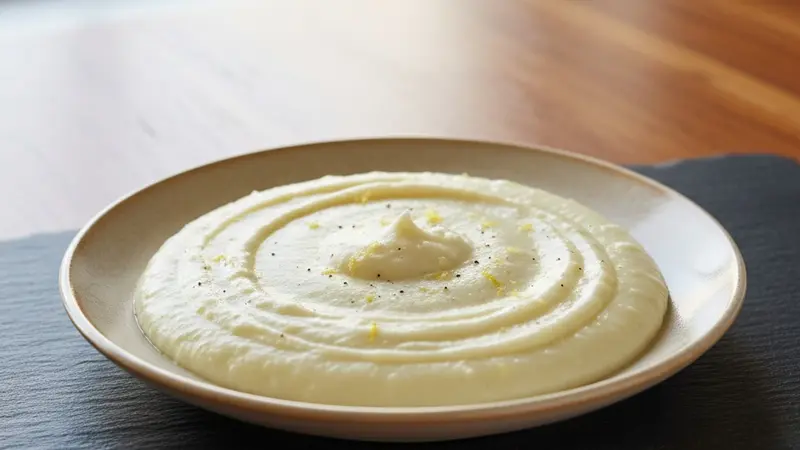
Cross-contact is as important as the ingredient list. A butter knife used for bread can transfer crumbs to a bowl of mashed potatoes; a shared toaster or grill basket can contaminate an otherwise safe item. Keep a small set of dedicated utensils, a clearly labeled cutting board, and an isolated toaster or a toaster oven bag for gluten-free slices. Those simple separations cut most accidental exposures.
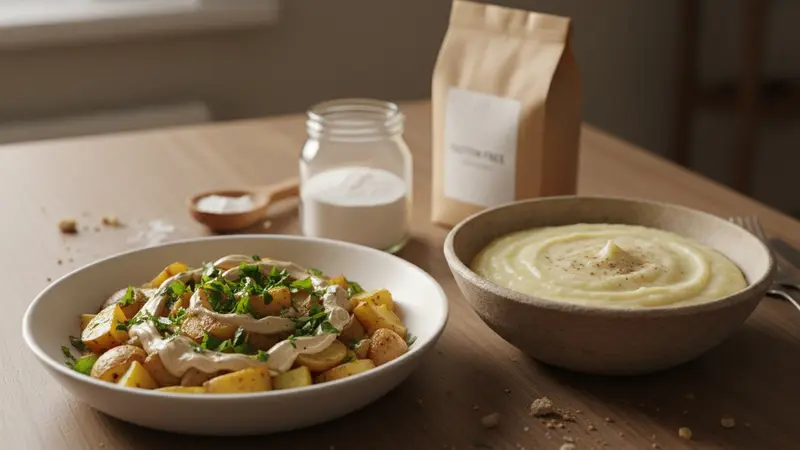
Label reading is a skill more than a chore. Look for explicit “gluten-free” certification when sensitivity is high, but also learn the usual culprits: marinades, flavored stocks, pre-mixed rubs, and certain vinegars. When in doubt, choose single-ingredient foods (olive oil, fresh herbs, whole vegetables) or make small items from scratch so you control the ingredients and avoid unexpected additives.