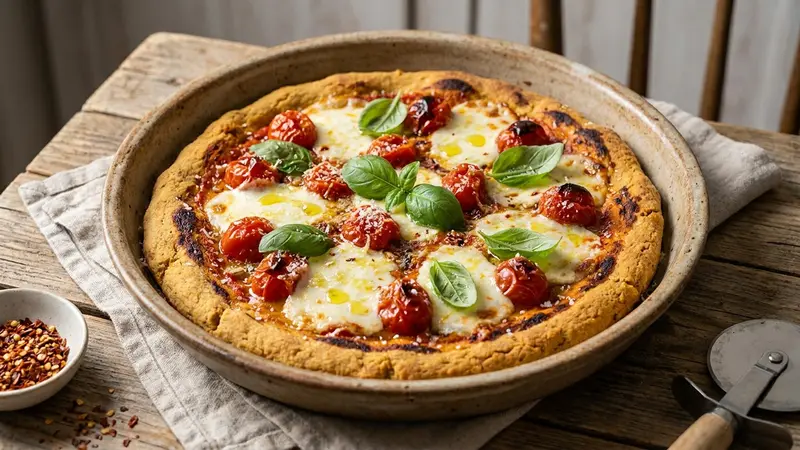
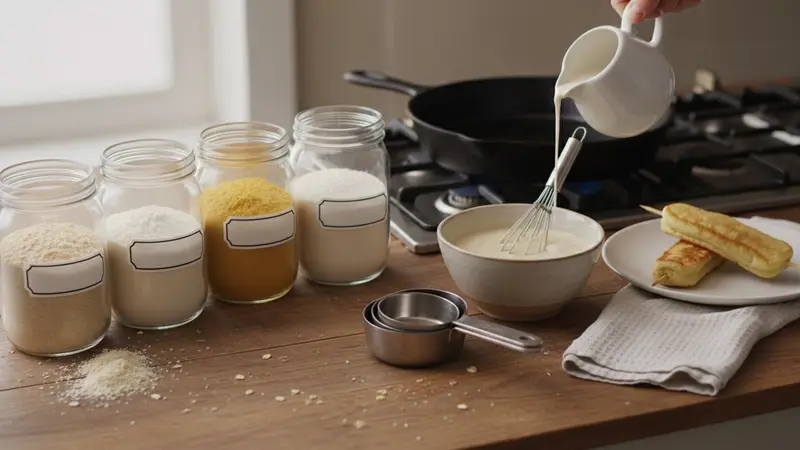
Almond, oat, chickpea, rice, sorghum and tapioca each bring a distinctive voice to gluten-free baking. Almond flour reads as rich and tender with a subtle nuttiness and is forgiving in cakes, muffins, and crisp toppings; it can make batters feel wet so you often reduce liquid slightly. Oat flour tastes mildly sweet and whole-grain, giving soft crumb structure—great for pancakes and quick breads. Chickpea (besan) is savory, dense, and protein-forward; it’s excellent for flatbreads, savory pancakes, and pizza crusts that need chew.
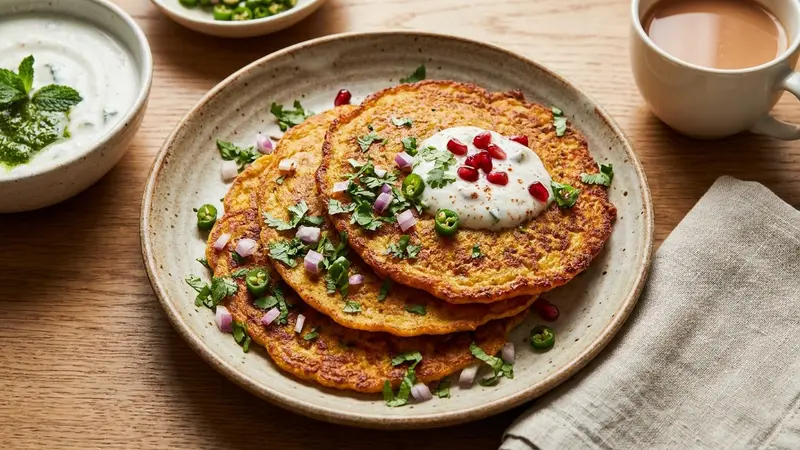
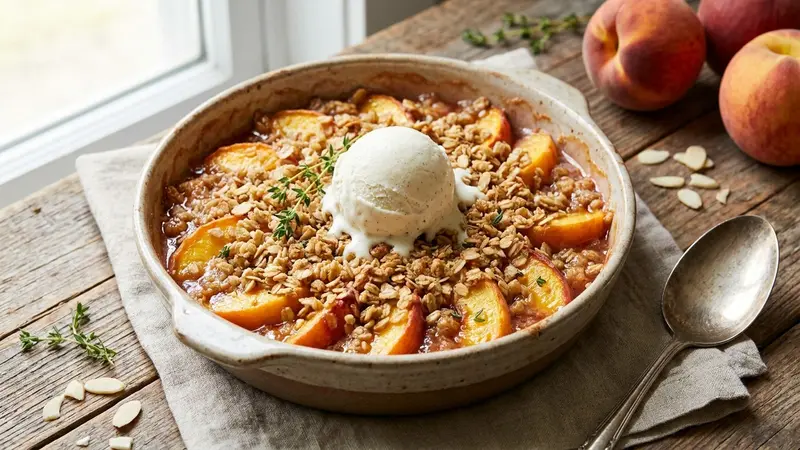
For everyday blending, a simple approach is to pair a heavier, flavorful flour with a lighter starch: a working ratio to try is roughly 2 parts whole-flour (sorghum, oat, or rice) to 1 part starch (tapioca) for tender structure. For quick pancakes or single-flour recipes, oat or almond works alone—oat for lighter, griddle-style batters such as Grilled Oat-Flour Banana Pancake Sticks, almond for tender dessert toppings like the oat-almond topping in Classic Peach Crisp. Chickpea flour often works best solo in savory pancakes and crusts—see Besan Chilla Chickpea Pancakes—because its protein gives natural structure.
Hydration adjustments are small but important. When swapping from wheat, increase liquid by about 2–4 tablespoons per cup of flour for rice, sorghum, or oat blends; reduce liquid slightly when using almond flour. Tapioca starch improves chew and melt; add it in blends at 15–25 percent of the total flour weight. Rest batters 20–30 minutes to let flours hydrate—this smooths texture and prevents a dry, crumbly bake.