Grilled Reverse Sear Ribeye with RUB PRIME STEAK
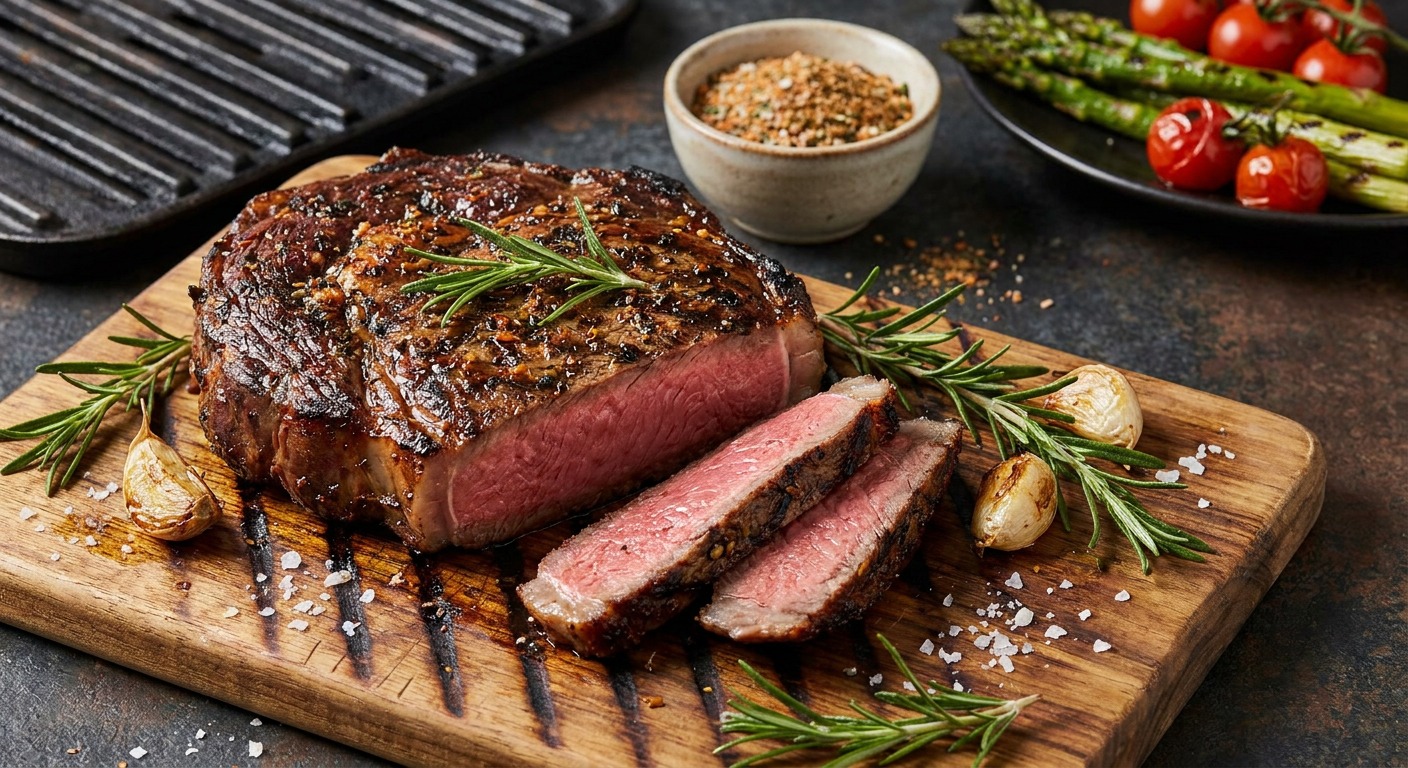
A foolproof reverse-sear ribeye that pairs a gentle low-and-slow cook with a blazing hot finish to produce an even medium-rare interior and an irresistible crust. Uses RUB PRIME STEAK for a bold, savory crust — finish on a hot grill or cast-iron for restaurant-style results at home.
Ingredient Spotlight
RUB PRIME STEAK
This reads like a proprietary or commercial steak seasoning blend (a steak rub) rather than a single pantry staple; such blends are common in butcher shops and specialty spice brands in the U.S. and typically combine coarse salt, cracked pepper, garlic/onion powders, paprika and sometimes sugar or herbs. It tastes savory and umami-forward with peppery and smoky notes depending on the formulation, and aroma varies by added spices. Find it at specialty meat counters, gourmet grocery stores, or online; substitute with a simple homemade mix (coarse kosher salt + freshly ground black pepper + garlic powder + smoked paprika, or use Montreal steak seasoning) adjusted to taste.
(paid link) — as an Amazon Associate we earn from qualifying purchases.
Ingredient Spotlight
flaky sea salt (optional, to finish)
Flaky sea salt (e.g., Maldon) is a finishing salt made from evaporated seawater that forms light, crunchy pyramidal flakes prized for texture and a clean, briny flavor rather than pure saltiness. It originated in coastal salt-making traditions (Maldon from England is a well-known example) and is used to add a delicate crunch and pronounced burst of salt on finished dishes. You can find it at most supermarkets, gourmet shops, or online; substitute with fleur de sel or use coarse kosher salt in a pinch but use slightly less and expect a different texture and mouthfeel.
Jake Woods's note
"This method is perfect for special-occasion dinners or weekend grilling when you want a foolproof, restaurant-quality steak. Home cooks will love the control the reverse sear gives over doneness and the reliably deep crust."
About This Recipe
There’s a quiet confidence to a well-executed reverse-sear ribeye: gentle, patient heat through the thick steak followed by an instant, ferocious sear gives you an even medium-rare interior and a restaurant-level crust every time. Using bone-in ribeyes amplifies beefy flavor and the RUB PRIME STEAK seasoning builds a savory, slightly peppery bark that stands up to the butter-and-herb finish. The low-and-slow phase lets connective tissue relax without overcooking the exterior, which is why this method so reliably produces tender steaks even on cuts an inch-and-a-half thick or more.
This version is for home cooks who want the drama of a steakhouse plate without improvising temperatures or agonizing over timing. It’s forgiving — the internal targets (110–115°F before sear) create plenty of buffer for carryover cooking — and the butter, smashed garlic, and thyme baste at the end adds a glossy richness that contrasts with the crust. Whether you’re feeding two for a special weeknight or using this as the centerpiece for guests, the technique is repeatable and scalable, and it rewards small attentions like drying the meat well and resting it properly.
Ingredients for Grilled Reverse Sear Ribeye with RUB PRIME STEAK
- 2 steak bone-in ribeye steaks (about 16 oz / 450 g each)
- 2 tablespoons RUB PRIME STEAK
- 2 teaspoons kosher salt
- 1 teaspoon freshly ground black pepper
- 2 tablespoons neutral oil (grapeseed or canola)
- 2 tablespoons unsalted butter
- 4 cloves garlic cloves, smashed
- 4 sprigs fresh thyme sprigs
- 1/2 teaspoon flaky sea salt (optional, to finish)
🛒 = paid link — as an Amazon Associate we earn from qualifying purchases.
How to Make Grilled Reverse Sear Ribeye with RUB PRIME STEAK
Step 1: Season and bring to room temperature
Pat steaks very dry with paper towels. Evenly rub both sides with RUB PRIME STEAK, then sprinkle the kosher salt and freshly ground black pepper. Let the steaks sit at room temperature 30–60 minutes (this helps them cook evenly); if you’re short on time, 20 minutes is acceptable.For this step
- 2 steakbone-in ribeye steaks (about 16 oz / 450 g each)
- 2 tablespoonsRUB PRIME STEAK
- 2 teaspoonskosher salt
- 1 teaspoonfreshly ground black pepper
Step 2: Low-and-slow (reverse sear) to target internal temp
Set your grill for indirect cooking at 225°F (107°C) or preheat an oven to 225°F (107°C). Place the steaks on the cool side of the grill or on a wire rack set over a baking sheet in the oven. Insert a probe or use an instant-read thermometer and cook until the internal temperature reaches 110–115°F (43–46°C) for medium-rare — typically 25–45 minutes depending on thickness. Remove when in range.Step 3: Preheat the sear zone
While steaks approach target temp, preheat your sear surface: open-flame grill set to 500–600°F (260–316°C) for direct searing or a heavy cast-iron skillet over high heat until smoking. Lightly brush the steaks with neutral oil just before searing to promote a quick browning.For this step
- 2 tablespoonsneutral oil (grapeseed or canola)
Step 4: Sear and baste for a deep crust
Sear the steaks over direct high heat or in the hot skillet 45–90 seconds per side, turning only once, until a deep brown crust forms. In the last 30–60 seconds, add the butter, smashed garlic and thyme to the pan (or a small cast-iron skillet placed on the grill beside the steaks) and spoon the melted butter over the steaks to baste. Pull steaks when internal temperature reaches about 125°F (52°C) for a perfect medium-rare after resting.For this step
- 2 tablespoonsunsalted butter
- 4 clovesgarlic cloves, smashed
- 4 sprigsfresh thyme sprigs
Step 5: Rest and finish
Transfer steaks to a cutting board and tent loosely with foil for 5–10 minutes to allow carryover cooking and juices to redistribute. Sprinkle with flaky sea salt to taste, slice against the grain if desired, and serve immediately.For this step
- 1/2 teaspoonflaky sea salt (optional, to finish)


- Pat steaks very dry with paper towels. Evenly rub both sides with RUB PRIME STEAK, then sprinkle the kosher salt and freshly ground black pepper. Let the steaks sit at room temperature 30–60 minutes (this helps them cook evenly); if you’re short on time, 20 minutes is acceptable.
- Set your grill for indirect cooking at 225°F (107°C) or preheat an oven to 225°F (107°C). Place the steaks on the cool side of the grill or on a wire rack set over a baking sheet in the oven. Insert a probe or use an instant-read thermometer and cook until the internal temperature reaches 110–115°F (43–46°C) for medium-rare — typically 25–45 minutes depending on thickness. Remove when in range.
- While steaks approach target temp, preheat your sear surface: open-flame grill set to 500–600°F (260–316°C) for direct searing or a heavy cast-iron skillet over high heat until smoking. Lightly brush the steaks with neutral oil just before searing to promote a quick browning.
- Sear the steaks over direct high heat or in the hot skillet 45–90 seconds per side, turning only once, until a deep brown crust forms. In the last 30–60 seconds, add the butter, smashed garlic and thyme to the pan (or a small cast-iron skillet placed on the grill beside the steaks) and spoon the melted butter over the steaks to baste. Pull steaks when internal temperature reaches about 125°F (52°C) for a perfect medium-rare after resting.
- Transfer steaks to a cutting board and tent loosely with foil for 5–10 minutes to allow carryover cooking and juices to redistribute. Sprinkle with flaky sea salt to taste, slice against the grain if desired, and serve immediately.
Grilled Reverse Sear Ribeye with RUB PRIME STEAK Tips
Choose the Right Ribeye
Pick steaks at least 1.25–1.5 inches thick and bone-in if possible; the bone insulates and helps even cooking while adding flavor.
Use a Reliable Thermometer
A probe thermometer is invaluable for the reverse sear — it prevents guesswork and lets you remove the steak at 110–115°F for perfect medium-rare after searing.
Pat Steaks Bone Dry
Thoroughly dry both sides with paper towels before seasoning so the rub adheres and the Maillard reaction happens quickly during the sear.
Mind the Rest Time
Rest steaks 5–10 minutes tented with foil; this equalizes juices and completes carryover cooking, so slice only after that short pause.
Control Your Sear
Keep the sear surface screaming hot and brush the steaks lightly with neutral oil right before laying them down to ensure an immediate crust without steaming.
Grilled Reverse Sear Ribeye with RUB PRIME STEAK Variations and Substitutions
Dry-Aged Ribeye Upgrade
If you can source a dry-aged ribeye, follow the same method but reduce added salt slightly; dry-aging intensifies beef flavor and the rub becomes more of an accent.
Herb-Garlic Compound Butter
Skip the basting stage and finish steaks with a slice of compound butter (parsley, chives, lemon zest) to add freshness and a glossy finish as the butter melts over the resting meat.
Smoky Coffee Rub Twist
Mix a tablespoon of finely ground coffee into the RUB PRIME STEAK for an earthy, slightly bitter edge that deepens the crust without overpowering the beef.
Boneless or Alternate Cuts
You can use boneless ribeye, striploin, or even a thick sirloin; adjust cook time (thinner cuts hit target temp faster) but keep reverse-sear temperatures the same.
How to Store and Make Grilled Reverse Sear Ribeye with RUB PRIME STEAK Ahead
Store cooled leftover steak in an airtight container in the refrigerator for up to 3 days; slice before storing if you plan to use it cold in salads or sandwiches. To reheat while preserving medium-rare doneness, warm gently in a 250°F oven until just warmed through (10–15 minutes) or finish in a hot skillet with a little butter for 30–60 seconds per side; avoid microwaving which overcooks edges.
What to Serve With Grilled Reverse Sear Ribeye with RUB PRIME STEAK
Serve alongside creamy smashed Yukon golds or charred broccolini to cut the richness, and offer a bright condiment like chimichurri or a red wine reduction to add acidity. For drinks, pair with a full-bodied red such as Cabernet Sauvignon, Malbec, or a bold Syrah; present the steak sliced against the grain with the bone intact on the plate for visual impact.
Grilled Reverse Sear Ribeye with RUB PRIME STEAK FAQs
Can I use boneless ribeye instead of bone-in?
Yes — boneless ribeye works fine with the same method, though it may cook a little faster; monitor internal temperature closely and remove at the same 110–115°F target before searing.
What if my steaks pass 115°F during the slow cook?
If they exceed the target slightly, sear immediately to arrest further temperature rise; thicker steaks have more buffer, but thin ones can approach final temp quickly, so be ready.
How do I get the deepest crust possible?
Ensure the surface is bone-dry, use a high smoke-point oil, and sear on a screaming-hot surface for short intervals without flipping repeatedly; a single flip maximizes stable contact and browning.
Can I reverse sear on a gas grill?
Absolutely — set one burner to low for indirect cooking and another to high for the sear, or move steaks between the cool and hot zones as described in the recipe.
What can I substitute for RUB PRIME STEAK?
Use a mix of kosher salt, ground black pepper, smoked paprika, garlic powder, and a touch of brown sugar to mimic the rub’s savory-sweet profile, adjusting proportions to taste.
About the author
Jake WoodsHello, I'm Jake. I started this recipe site with the idea that I hated recipe websites that overwhelm you with long stories and ads just to see plain content that's not helpful. My goal is to provide you with quality recipes, simple ideas and a fun cooking experience. There's lots of fun things to cook, and I think as you browse the site you'll find that TopShelf.Recipes is the place for quality recipes on the web.
See all recipes by Jake Woods →Ratings & Reviews
Did you make this recipe?
Be the first to share your experience.
Nutrition Facts
Per serving: 1 serving
Nutrition values are estimated from USDA ingredient data and may vary based on preparation, brands, and portion sizes. Values are provided for informational purposes only.
Keep Reading
Guides & articles for this recipe
Guides
Grilling and Nutrition
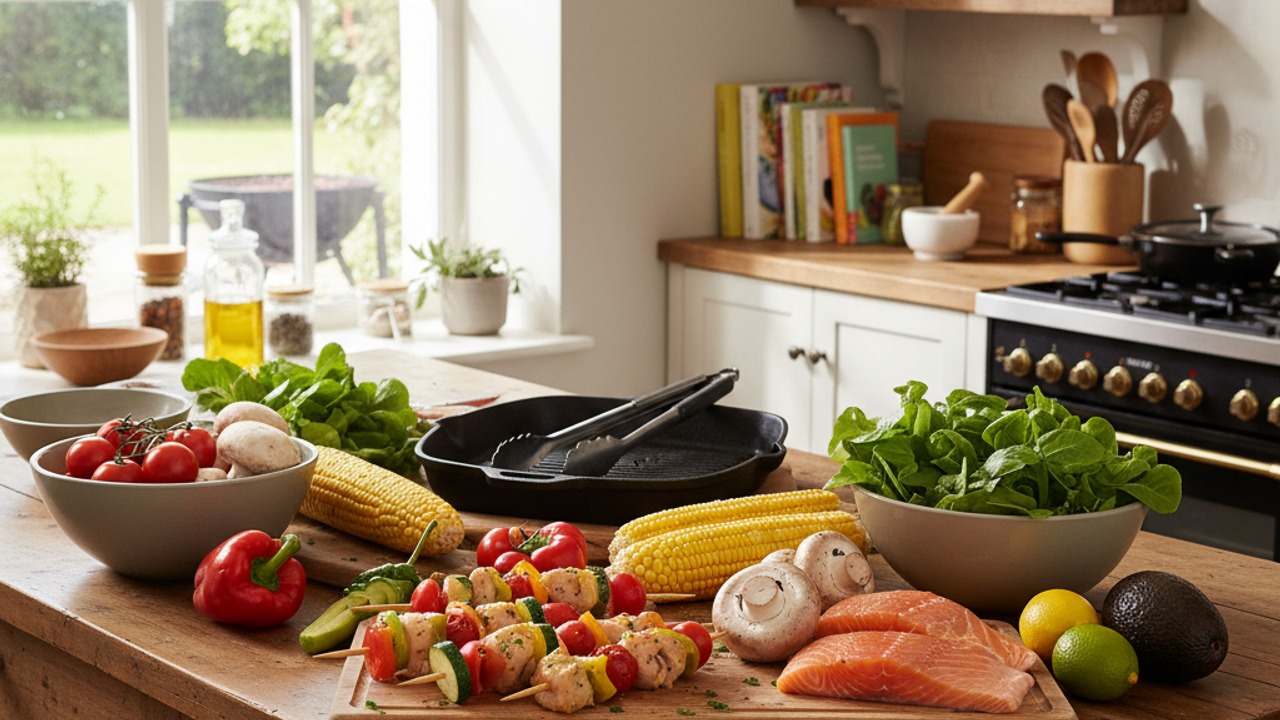
An evidence-based guide that explains how grilling, charring, and smoking change vitamins, proteins, and fats and the health risks of over-charring. Practical strategies for home cooks on timing, temperature, marinades, fuel choice, and smart side pairings to maximize nutrients without losing bold grilled flavor.
Guides
Grill Science: Char Maillard and Smoke
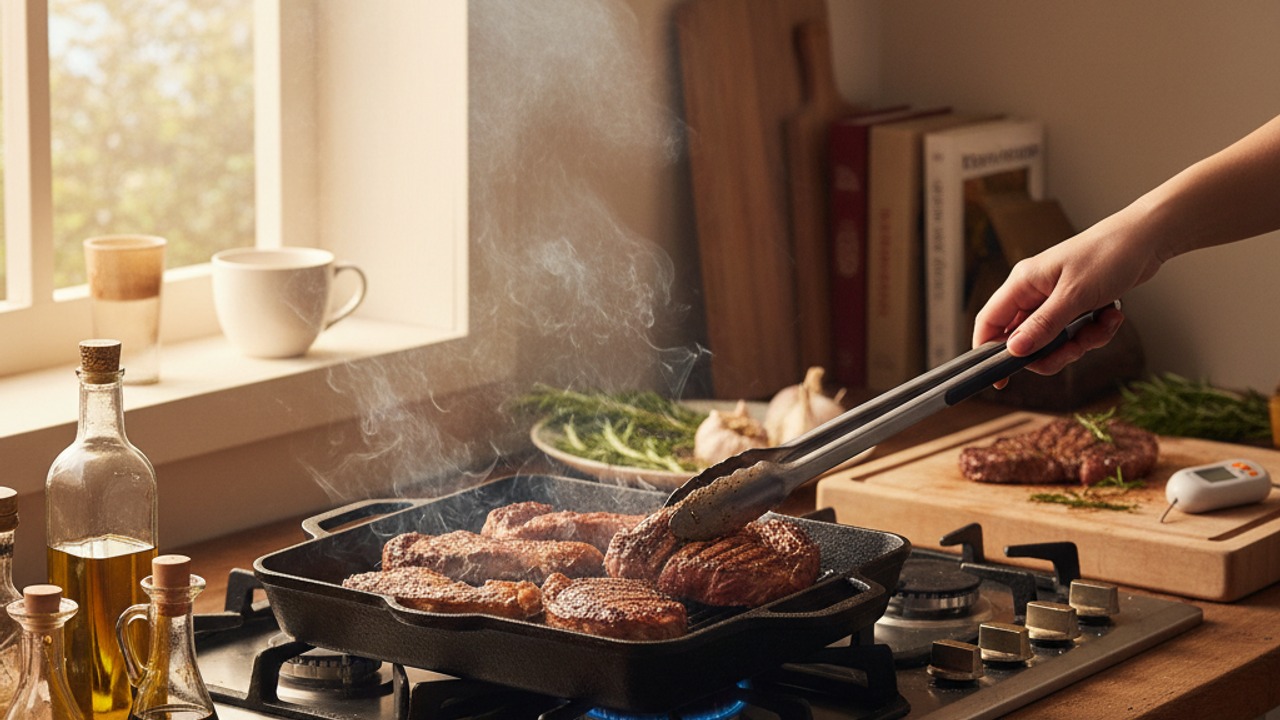
A kitchen-to-backyard guide that explains the chemistry behind char, the Maillard reaction, caramelization, and smoke—and shows practical heat, fuel, and technique choices to build deeper grilled flavor. Includes simple experiments and recipe references so readers can reproduce richer results on steaks, vegetables, and fruit.

Healthy Eating
Gluten-Free Weeknight Grilling Plan
A 7-day gluten-free weeknight grilling plan with quick, family-friendly recipes, prep-ahead timelines, and a printable shopping list that spotlights late-summer produce and pantry staples. Includes clear cross-contamination safety tips and simple swaps to keep dinners fast and crowd-pleasing.
More from Grilling
View all Grilling recipes →
Tandoori Yogurt Marinated Grilled Chicken (Tandoori Style on the Grill)

Labor Day Grilled Lobster Rolls with Charred Scallion Brown Butter & Lemon‑Herb Aioli

Bulgogi Smash Burger

Campfire‑Smoked Potato Salad with Mustard‑Bacon Vinaigrette — A Labor Day Grilling Side for Steak

Hanger Steak with Shallot Sauce
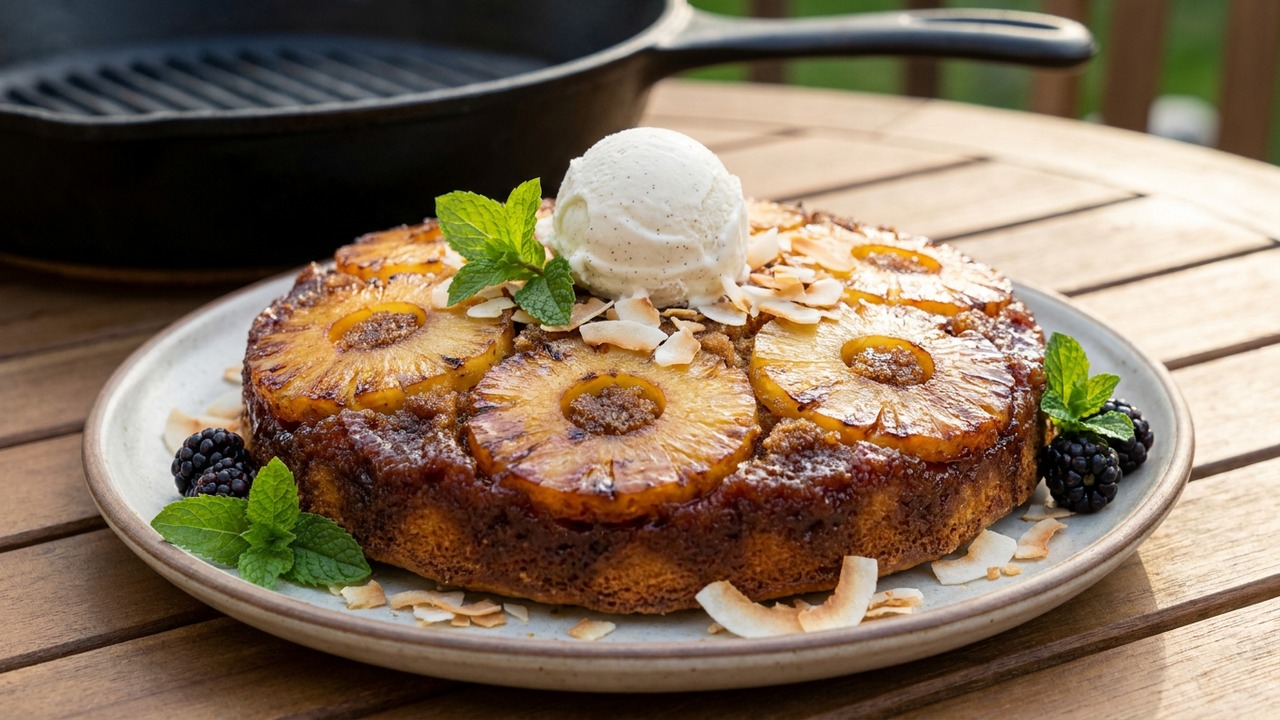
Grilled Pineapple Upside-Down Cake

Spicy Grilled Shrimp Skewers with Garlic Lime Marinade

Honey Garlic Grilled Thin-Sliced Chicken Breasts

Coffee and Porcini Dry-Rub Steaks with RUB PRIME STEAK Finish
Ask me anything about this recipe — substitutions, scaling, techniques, timing.
Powered by AI · 6 questions per 5 minutes, 30 per day