Jian Dui Sesame Balls
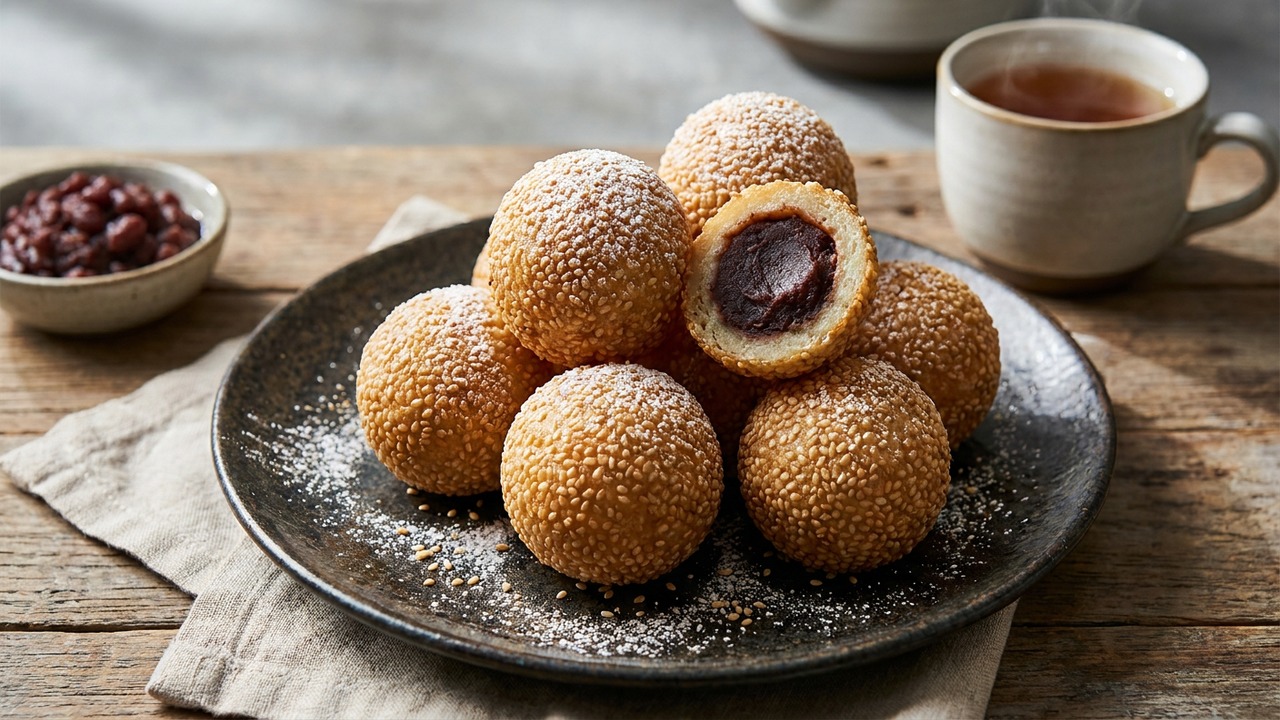
Crisp, golden sesame-coated glutinous rice balls with a sweet red bean center — a classic festive dessert. Perfect for Chinese New Year and other celebrations, these jian dui are crunchy outside, chewy inside, and irresistibly comforting when served warm.
Ingredient Spotlight
Glutinous (sweet) rice flour
A fine flour milled from glutinous (sticky) rice used widely in East and Southeast Asian sweets such as mochi and tangyuan; despite the name it contains no gluten. It produces a very sticky, elastic, chewy texture and has a neutral, slightly starchy flavor. Find it at Asian markets labeled mochiko or sweet rice flour, or online. Good substitutes: mochiko (identical); in a pinch tapioca starch or a blend of regular rice flour + tapioca can mimic chewiness but won’t be exactly the same.
Ingredient Spotlight
Sweet red bean paste (anko), smooth
Anko is a sweetened paste made from cooked azuki (red) beans common in Japanese confections (mochi, dorayaki, taiyaki); the smooth version (koshian) is sieved to remove skins. It tastes sweet, earthy, and bean-forward, and provides a distinctive texture and flavor in East Asian desserts. You can buy tubs, tubes, or cans at Asian grocery stores or online, or make it by simmering azuki beans with sugar and pureeing/straining. Reasonable substitutes include smooth white bean paste (shiro-an), sweetened chestnut paste, or canned sweetened adzuki for a coarser texture.
Jake Woods's note
"This recipe yields glossy, hollow-centered sesame balls that are a showstopper for New Year gatherings or any celebration. Home cooks will appreciate the straightforward technique and the ability to make the filling ahead to speed assembly."
About This Recipe
Jian dui — sesame-coated glutinous rice balls filled with sweet red bean paste — are a study in contrast: a thin, crackling shell of toasted sesame and fried glutinous dough yields to a satisfyingly chewy interior and a creamy, slightly earthy anko center. This version leans on simple technique to achieve that ideal texture: boiling water to bloom the glutinous rice flour, a short rest to hydrate and relax the dough, and moderate frying temperature so the balls puff slowly and cook through without burning. The result is a deep-golden, slightly blistered exterior that snaps when bitten and a warm, soft core that tastes as good on the first bite as it does lingering on the palate.
These are for cooks who like hands-on desserts that reward attention rather than speed. The recipe makes a compact batch (18 pieces) so you can focus on shaping and frying without a production line. Small details — how wet your fingertips are when coating with sesame, how steady you keep the oil temperature, and whether your anko is the right firmness — make tangible differences. Make a batch for a festive table, an afternoon tea, or to teach someone the pleasure of working with glutinous rice dough: patience and practice turn a simple list of ingredients into something memorable.
Ingredients for Jian Dui Sesame Balls
- 2 cups Glutinous (sweet) rice flour
- 2 tbsp Granulated sugar
- 3/4 cup Boiling water
- 1 tbsp Vegetable oil (for dough)
- 1 cup Sweet red bean paste (anko), smooth
- 3/4 cup White sesame seeds
- 6 cups Neutral oil for deep-frying (vegetable, canola, or peanut)
How to Make Jian Dui Sesame Balls
Step 1: Make the glutinous rice dough
In a heatproof bowl, whisk the glutinous rice flour and granulated sugar to combine. Gradually pour in the boiling water while stirring with a spatula or chopstick until a shaggy dough forms; when cool enough to handle, add 1 tablespoon vegetable oil and knead briefly until smooth and pliable. Cover the dough tightly with plastic wrap and let it rest for 15–20 minutes to hydrate and relax.For this step
- 2 cupsGlutinous (sweet) rice flour
- 2 tbspGranulated sugar
- 3/4 cupBoiling water
- 1 tbspVegetable oil (for dough)
Step 2: Portion dough and prepare filling
Divide the red bean paste into 18 equal portions (about 1 tablespoon / 15 g each) and roll into smooth balls; set aside. Divide the rested dough into 18 equal pieces (about 20–25 g each). Flatten a dough piece into a thin disc, place a red bean ball in the center, then carefully seal and roll between your palms into a smooth sphere, ensuring no gaps or cracks.For this step
- 1 cupSweet red bean paste (anko), smooth
Step 3: Coat balls with sesame seeds
Spread the white sesame seeds in a shallow bowl. Lightly dampen each filled ball by wetting your fingertips (or brushing with a few drops of water) and roll the ball in the sesame seeds, pressing gently so seeds adhere evenly. Work quickly so the dough surface remains pliable and all balls are coated.For this step
- 3/4 cupWhite sesame seeds
Step 4: Deep-fry until puffed and golden
Heat the frying oil in a heavy pot to 325–335°F (160–168°C) — medium heat; if you don't have a thermometer, oil should shimmer but not smoke. Fry the sesame balls in small batches (4–5 at a time) so they have room to puff, gently stirring and rolling them with a slotted spoon so they cook evenly; they will sink then float and should take about 5–7 minutes per batch to become evenly golden and puffed. Maintain temperature between batches; lower the heat if they brown too quickly, and remove to a wire rack lined with paper towels to drain.For this step
- 6 cupsNeutral oil for deep-frying (vegetable, canola, or peanut)
Step 5: Finish and serve
Let the sesame balls rest 3–5 minutes off the heat so the interior sets slightly. Serve warm for best texture; store any leftovers in an airtight container at room temperature and eat within a day, reheating briefly in a low oven (300°F/150°C) or air fryer to crisp.


- In a heatproof bowl, whisk the glutinous rice flour and granulated sugar to combine. Gradually pour in the boiling water while stirring with a spatula or chopstick until a shaggy dough forms; when cool enough to handle, add 1 tablespoon vegetable oil and knead briefly until smooth and pliable. Cover the dough tightly with plastic wrap and let it rest for 15–20 minutes to hydrate and relax.
- Divide the red bean paste into 18 equal portions (about 1 tablespoon / 15 g each) and roll into smooth balls; set aside. Divide the rested dough into 18 equal pieces (about 20–25 g each). Flatten a dough piece into a thin disc, place a red bean ball in the center, then carefully seal and roll between your palms into a smooth sphere, ensuring no gaps or cracks.
- Spread the white sesame seeds in a shallow bowl. Lightly dampen each filled ball by wetting your fingertips (or brushing with a few drops of water) and roll the ball in the sesame seeds, pressing gently so seeds adhere evenly. Work quickly so the dough surface remains pliable and all balls are coated.
- Heat the frying oil in a heavy pot to 325–335°F (160–168°C) — medium heat; if you don't have a thermometer, oil should shimmer but not smoke. Fry the sesame balls in small batches (4–5 at a time) so they have room to puff, gently stirring and rolling them with a slotted spoon so they cook evenly; they will sink then float and should take about 5–7 minutes per batch to become evenly golden and puffed. Maintain temperature between batches; lower the heat if they brown too quickly, and remove to a wire rack lined with paper towels to drain.
- Let the sesame balls rest 3–5 minutes off the heat so the interior sets slightly. Serve warm for best texture; store any leftovers in an airtight container at room temperature and eat within a day, reheating briefly in a low oven (300°F/150°C) or air fryer to crisp.
Jian Dui Sesame Balls Tips
Use Boiling Water
Pour boiling water into the glutinous rice flour to gelatinize the starch so the dough becomes chewy rather than crumbly; stir quickly until a shaggy mass forms before kneading.
Rest Before Filling
Let the dough sit covered for 15–20 minutes so it hydrates and relaxes; rested dough stretches and seals more easily, reducing cracks during shaping and frying.
Seal Without Cracks
Stretch the dough thinly over the filling and press seams firmly together, then roll between palms to smooth; if cracks appear, dampen a fingertip and gently press to fuse the dough.
Control Oil Temperature
Maintain 325–335°F (160–168°C) so the balls puff and cook through; lower the heat if they brown too fast and use a thermometer for consistency.
Fry In Small Batches
Give each ball space to expand by frying 4–5 at a time; overcrowding drops oil temperature and prevents even puffing and coloring.
Jian Dui Sesame Balls Variations and Substitutions
Black Sesame Filling
Swap the sweet red bean paste for a toasted black-sesame paste (ground roasted black sesame + sugar + a little lard or coconut oil) for a nutty, slightly savory contrast.
Matcha-Dusted Shell
Knead 1–2 teaspoons of matcha into the dough for a pale green color and subtle bitterness, or dust finished balls with a little matcha for a modern twist.
Mung Bean Paste Center
Use lightly sweetened mashed mung bean paste (lüdou) instead of anko for a milder, springlike filling that pairs beautifully with toasted sesame.
Air-Fryer Finish
For less oil, shallow-fry briefly to set the sesame then finish in an air fryer at 350°F for 6–8 minutes, though texture will be slightly less blistered than deep-frying.
How to Store and Make Jian Dui Sesame Balls Ahead
Store cooled sesame balls in an airtight container at room temperature and eat within one day for best texture; refrigeration will toughen the glutinous dough. You can freeze uncooked, filled balls on a tray, then transfer to a bag for up to a month and fry from frozen (add 1–2 minutes to frying time). Reheat leftover fried balls in a 300°F (150°C) oven or air fryer for 4–6 minutes to restore crispness; avoid microwaving which makes the exterior gummy.
What to Serve With Jian Dui Sesame Balls
Serve these warm on a small platter, letting guests pick them up with chopsticks or fingers; scatter a few extra toasted sesame seeds for a rustic look. Pair with a cup of fragrant jasmine tea, lightly oxidized oolong, or a mellow pu-erh to cut the richness, or include them as part of a dessert spread with pineapple tarts and citrusy nian gao for festive contrast.
Jian Dui Sesame Balls FAQs
Why use boiling water instead of cold?
Boiling water partially gelatinizes the glutinous rice flour, producing a cohesive, elastic dough that becomes chewy after frying; cold water won't hydrate the starch the same way and yields a crumbly texture.
My balls sink and don't puff—what went wrong?
Most often the oil is too hot or too cold, or the dough is too dense; maintain 325–335°F and fry in small batches so the balls can expand, and make sure the dough is rested and pliable before shaping.
How do I prevent the filling from leaking?
Seal thoroughly by stretching the dough evenly around the filling and pinching seams closed, then roll to smooth; if you see cracks, press them closed with a damp fingertip before coating in sesame.
Can I use store-bought red bean paste?
Yes—smooth anko works beautifully; if it's very soft, chill or roll into firmer balls first so it holds its shape during shaping and frying.
Why are my finished balls greasy inside?
Greasy interiors can result from oil that's too cool, causing excessive absorption, or from overfrying; keep oil at the recommended temperature and drain briefly on a rack to shed excess oil.
About the author
Jake WoodsHello, I'm Jake. I started this recipe site with the idea that I hated recipe websites that overwhelm you with long stories and ads just to see plain content that's not helpful. My goal is to provide you with quality recipes, simple ideas and a fun cooking experience. There's lots of fun things to cook, and I think as you browse the site you'll find that TopShelf.Recipes is the place for quality recipes on the web.
See all recipes by Jake Woods →Ratings & Reviews
Did you make this recipe?
Be the first to share your experience.
Nutrition Facts
Per serving: about ½ cup
Nutrition values are estimated from USDA ingredient data and may vary based on preparation, brands, and portion sizes. Values are provided for informational purposes only.
Keep Reading
Guides & articles for this recipe
Guides
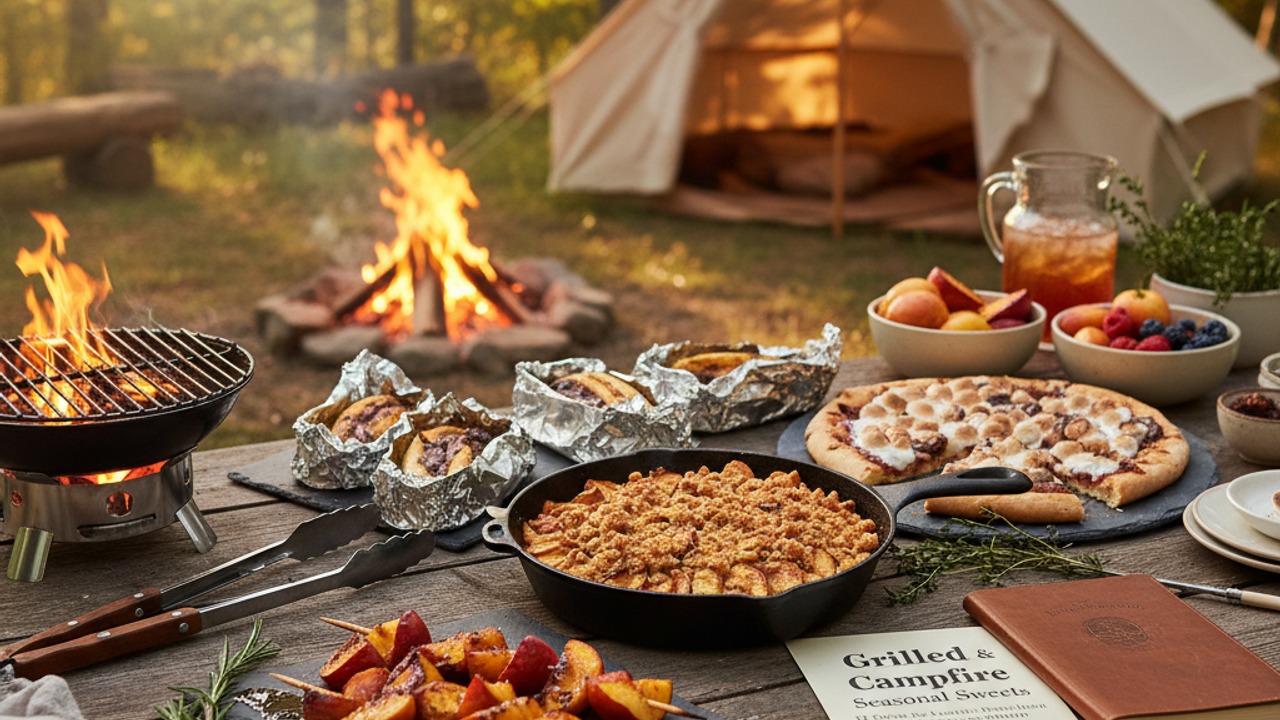
Grilled & Campfire Seasonal Sweets: 12 Crowd‑Favorite Desserts and How to Make Them Year‑Round
A season-by-season guide to 12 grill- and campfire-friendly desserts with flame-safe techniques, make-ahead strategies, vegetarian and gluten-free swaps, plus serving and storage tips so your outdoor sweets shine any time of year.

Guides
Summer Weeknight Grilling Playbook: 4-Week Rotating Meal Plan with Quick Seasonal Recipes, Make‑Ahead Sides & Grill‑First Desserts
A practical, four-week summer grilling playbook built for busy weeknights: 12 fast mains, 8 make‑ahead sides, 4 grill-forward desserts, weekly shopping lists, prep timelines, and smart tips for backyard, tailgate, or campsite cooking. Get the rhythm of easy, seasonal grilling that keeps dinner fresh and fast.

Healthy Eating
Gluten-Free Weeknight Grilling Plan
A 7-day gluten-free weeknight grilling plan with quick, family-friendly recipes, prep-ahead timelines, and a printable shopping list that spotlights late-summer produce and pantry staples. Includes clear cross-contamination safety tips and simple swaps to keep dinners fast and crowd-pleasing.
More from Desserts
View all Desserts recipes →
Easy Peanut Butter Bars

Chocolate Peanut Butter Chex Mix

No-Churn Fresh Berry Ice Cream (No Machine, 5 Ingredients)

Molten Lemon Cake

Boozy Red White Blue Popsicles (Vodka Ice Pops for Adults)

Salted Caramel Stuffed Brownies with Crispy Edges and Sea Salt

Poached Pears with Pistachio

Affogato with Caramel

Canning Peaches Light Syrup
Ask me anything about this recipe — substitutions, scaling, techniques, timing.
Powered by AI · 6 questions per 5 minutes, 30 per day