New York-Style Thin Crust
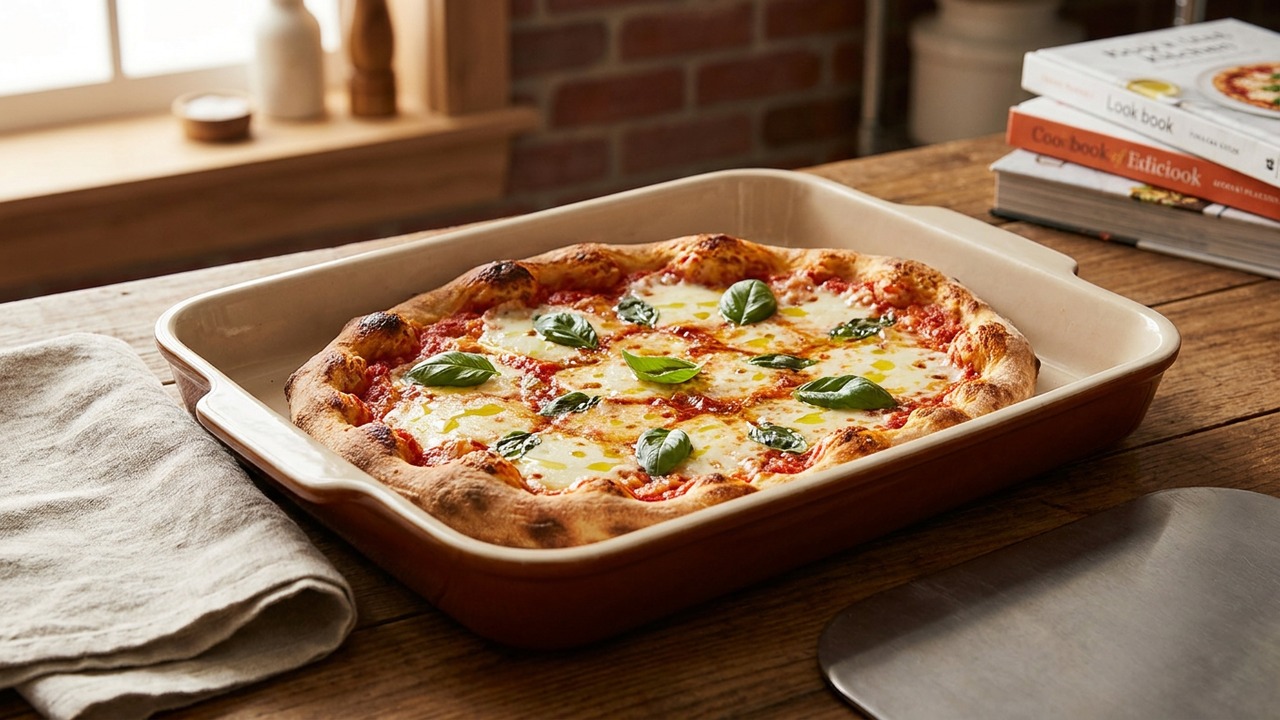
Classic New York–style thin-crust pizza with a crisp, slightly chewy crust and a bright, simple tomato sauce. Designed for home ovens using a pizza steel and high-heat techniques to reproduce those pizzeria-style slices.
Ingredient Spotlight
Crushed tomatoes (san marzano-style or plain crushed)
San Marzano refers to a specific Italian plum tomato variety prized for a sweet, low-acid, concentrated flavor and smooth texture; 'San Marzano-style' canned crushed tomatoes aim to replicate that profile. They originate from the Campania region of Italy and are commonly used in Neapolitan pizza sauces and other Italian dishes. Look for them in the canned tomatoes aisle or Italian markets; a good substitute is canned whole peeled Roma/plum tomatoes crushed by hand or any high-quality crushed tomatoes.
Ingredient Spotlight
Semolina or fine cornmeal (for peel)
Semolina is the coarse middlings of durum wheat with a slightly gritty texture and a mild nutty flavor, traditionally used for pasta and to dust pizza peels so dough slides easily; fine cornmeal (or fine polenta) is the corn-based alternative that gives a similar nonstick ‘slipper.’ Semolina is common in Mediterranean/Italian cooking and helps prevent sticking while providing a bit of crunch on the crust. Find semolina in the baking or pasta aisle of supermarkets; if you don’t have it, use fine cornmeal, fine polenta, rice flour, or a light dusting of all-purpose flour as substitutes.
Jake Woods's note
"This recipe focuses on a long, cold ferment and a screaming-hot pizza steel to recreate the crackly, slightly charred New York slice at home. It shines for weeknight pizza nights or when you want reproducible pizzeria results without specialized ovens."
About This Recipe
This New York–style thin-crust recipe is built around one idea: reproduce that foldable, slightly chewy slice you get from a good corner pizzeria, but with gear and timing that fits a home kitchen. The dough is lean, with high-protein bread flour and a long cold ferment to develop flavor without overproofing, while a screaming-hot pizza steel and careful stretching deliver the signature snap and leopard-like blistering at the rim. The sauce is intentionally simple—just crushed tomatoes and a pinch of salt—so the crust’s toasty notes and the mozzarella’s browned milky fat can carry the pie.
This version is for cooks who want control: you’ll cold-ferment up to 72 hours to build that sweet-yeasty complexity, portion the dough into two manageable 12-inch balls, and bake both quickly at maximum oven heat for crispness with a tender interior. Small decisions—using low-moisture part-skim mozzarella to limit weeping, semolina on the peel for a clean slide, and conservative sauce—are what make a home oven sing like a pizzeria. It’s ideal for confident beginners and weekend bakers who appreciate technique over shortcuts and enjoy the ritual of stretching, sliding, and watching that first perfect blister appear.
Ingredients for New York-Style Thin Crust
- 4 cups Bread flour
- 1 3/4 cups Lukewarm water (105–110°F / 40–43°C)
- 1 tsp Instant dry yeast
- 2 tsp Fine sea salt
- 1 tbsp Extra-virgin olive oil
- 1 cup Crushed tomatoes (san marzano-style or plain crushed)
- 3 cups Low-moisture part-skim shredded mozzarella
- 2 tbsp Semolina or fine cornmeal (for peel)
How to Make New York-Style Thin Crust
Step 1: Mix and knead the dough
Combine the lukewarm water and instant yeast in a large bowl until dissolved. Add the bread flour and salt, then mix until a shaggy dough forms; add the olive oil and knead by hand or with a stand mixer for 6–8 minutes until smooth and slightly tacky. Form into a ball and lightly oil the outside.For this step
- 4 cupsBread flour
- 1 3/4 cupsLukewarm water (105–110°F / 40–43°C)
- 1 tspInstant dry yeast
- 2 tspFine sea salt
- 1 tbspExtra-virgin olive oil
Step 2: Bulk ferment and cold rest
Place the dough in a lightly oiled bowl, cover, and let rise at room temperature for 30–60 minutes to start fermentation. Transfer to the refrigerator and cold ferment for 24 hours (up to 72 hours) for classic New York flavor and texture; remove and come to room temperature for 45–60 minutes before shaping.Step 3: Preheat the pizza steel and prepare the dough
Position your oven rack in the highest slot and place the pizza steel on it; preheat at your oven's maximum (500–550°F / 260–290°C, higher if available) for at least 45–60 minutes so the steel is thoroughly hot. Divide the dough into two balls for two 12-inch pizzas, dust your peel with semolina, and gently stretch each ball into a thin round by pressing from the center outward—avoid rolling to preserve gas pockets.For this step
- 2 tbspSemolina or fine cornmeal (for peel)
Step 4: Sauce and top lightly
Spread a thin layer of crushed tomatoes over each stretched crust (keep the sauce conservative to avoid sogginess) and season with a pinch of salt or dried oregano to taste. Sprinkle the shredded low-moisture mozzarella evenly but sparingly so the crust can crisp and the cheese can brown without weighing the pie down.For this step
- 1 cupCrushed tomatoes (san marzano-style or plain crushed)
- 3 cupsLow-moisture part-skim shredded mozzarella
Step 5: Slide onto the steel and bake until blistered
Using quick, confident motions, slide the pizza from the semolina-dusted peel onto the preheated steel and bake 5–8 minutes until the crust is golden, blistered, and crisp at the edges; rotate once for even charring if needed. If you want more leopard spotting, finish with the broiler for 15–45 seconds while watching closely, then remove, brush the rim with a little olive oil, slice, and serve hot.


- Combine the lukewarm water and instant yeast in a large bowl until dissolved. Add the bread flour and salt, then mix until a shaggy dough forms; add the olive oil and knead by hand or with a stand mixer for 6–8 minutes until smooth and slightly tacky. Form into a ball and lightly oil the outside.
- Place the dough in a lightly oiled bowl, cover, and let rise at room temperature for 30–60 minutes to start fermentation. Transfer to the refrigerator and cold ferment for 24 hours (up to 72 hours) for classic New York flavor and texture; remove and come to room temperature for 45–60 minutes before shaping.
- Position your oven rack in the highest slot and place the pizza steel on it; preheat at your oven's maximum (500–550°F / 260–290°C, higher if available) for at least 45–60 minutes so the steel is thoroughly hot. Divide the dough into two balls for two 12-inch pizzas, dust your peel with semolina, and gently stretch each ball into a thin round by pressing from the center outward—avoid rolling to preserve gas pockets.
- Spread a thin layer of crushed tomatoes over each stretched crust (keep the sauce conservative to avoid sogginess) and season with a pinch of salt or dried oregano to taste. Sprinkle the shredded low-moisture mozzarella evenly but sparingly so the crust can crisp and the cheese can brown without weighing the pie down.
- Using quick, confident motions, slide the pizza from the semolina-dusted peel onto the preheated steel and bake 5–8 minutes until the crust is golden, blistered, and crisp at the edges; rotate once for even charring if needed. If you want more leopard spotting, finish with the broiler for 15–45 seconds while watching closely, then remove, brush the rim with a little olive oil, slice, and serve hot.
New York-Style Thin Crust Tips
Preheat the steel
Give the pizza steel at least 45–60 minutes at max oven heat so it stores enough thermal energy to crisp the crust on contact.
Cold ferment longer
A 24–72 hour cold rest tightens gluten and creates a complex, slightly sweet flavor; don’t skip bringing the balls back to room temperature for 45–60 minutes before shaping.
Stretch, don’t roll
Press and stretch from the center outward to preserve interior gas pockets that yield chew; using a rolling pin will flatten those bubbles and make the crust dense.
Use sparing sauce
Too much crushed tomato will steam the dough; spread a thin, even layer and leave a ¾–1 inch rim to ensure a crisp border.
Dust with semolina
A light bed of semolina (or fine cornmeal) on the peel prevents sticking and creates a bit of grittiness under the crust that helps it slide and char.
New York-Style Thin Crust Variations and Substitutions
Whole-wheat blend
Replace up to 30% of the bread flour with whole-wheat for nuttier flavor and chew; increase hydration by 1–2 tablespoons if the dough feels tight.
Fresh mozzarella option
If you prefer fresh mozzarella, blot it well and use smaller slices spread sparsely to reduce moisture; reduce oven time if the cheese melts very quickly.
Vegan cheese and oil
Swap low-moisture mozzarella for a high-quality melting vegan alternative and brush the rim with olive oil before baking to mimic richness.
Herbed garlic twist
Stir a tablespoon of finely chopped garlic and a pinch of oregano into the crushed tomatoes for a more aromatic sauce without adding moisture.
How to Store and Make New York-Style Thin Crust Ahead
Cool leftovers completely, then store in an airtight container or wrapped tightly in the refrigerator for up to 3 days. Reheat on a pizza steel or cast-iron skillet over medium-high heat for 2–4 minutes, or in a 400°F oven for 6–8 minutes, to revive crispness; avoid microwaves which will make the crust soggy. You can freeze fully baked slices wrapped tightly for up to 1 month and reheat from frozen at 425°F for about 10 minutes.
What to Serve With New York-Style Thin Crust
Serve slices hot and foldable with a small bowl of torn basil or crushed red pepper on the side for guests to add to taste. Pair with a simple salad of peppery arugula, shaved Parmesan, lemon, and olive oil, and for drinks choose an effervescent lager or a medium-bodied red like Chianti for classic New York-style balance.
New York-Style Thin Crust FAQs
Can I use active dry yeast instead of instant?
Yes—use 1 ¼ times the instant amount (about 1 ¼ teaspoons) and proof it in the lukewarm water for 5–10 minutes until foamy before mixing with the flour.
My dough sticks to the peel—what am I doing wrong?
You’re likely over-saucing or the peel isn’t well-dusted; use a generous dusting of semolina or fine cornmeal and shake the peel gently after topping to ensure the dough can slide before attempting to transfer.
How do I get more leopard spotting on the crust?
Maximize radiant heat by preheating the steel thoroughly and finish briefly under the broiler for 15–45 seconds while watching closely; higher heat and direct top heat encourage those dark blisters.
Can I make one large pizza instead of two 12-inch pies?
You can, but a larger pizza will be harder to slide and may bake unevenly; two 12-inch pies bake faster and get more blistering and even crust texture in a home oven.
Why use low-moisture part-skim mozzarella?
Low-moisture mozzarella melts cleanly and browns without releasing as much water as fresh mozzarella, which helps the crust crisp rather than become soggy.
About the author
Jake WoodsHello, I'm Jake. I started this recipe site with the idea that I hated recipe websites that overwhelm you with long stories and ads just to see plain content that's not helpful. My goal is to provide you with quality recipes, simple ideas and a fun cooking experience. There's lots of fun things to cook, and I think as you browse the site you'll find that TopShelf.Recipes is the place for quality recipes on the web.
See all recipes by Jake Woods →Ratings & Reviews
Did you make this recipe?
Be the first to share your experience.
Nutrition Facts
Per serving: 1 serving
Nutrition values are estimated from USDA ingredient data and may vary based on preparation, brands, and portion sizes. Values are provided for informational purposes only.
Keep Reading
Guides & articles for this recipe
Tips & Techniques
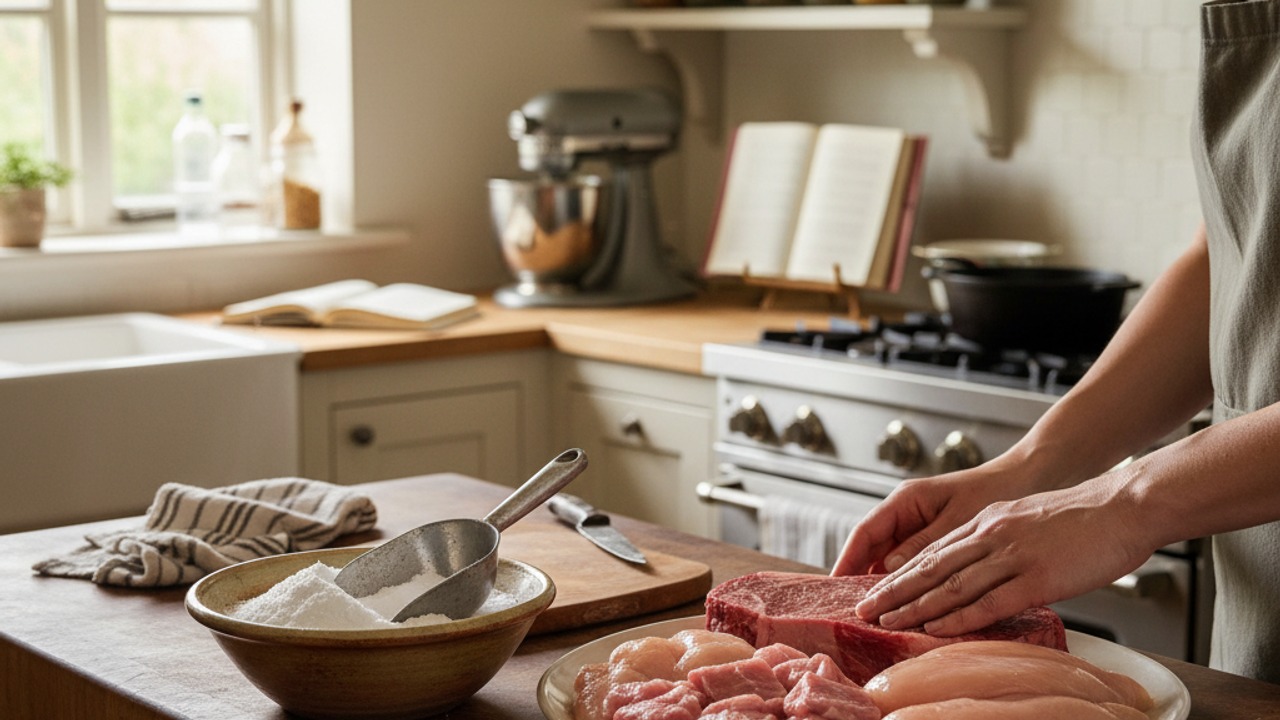
Baking Soda and Tenderized Beef
Learn how baking soda can tenderize, boost browning, and improve moisture for ground beef and other meats. This practical guide covers the science, step-by-step techniques, common mistakes, and recipes to try.

Healthy Eating
Gluten-Free Weeknight Grilling Plan
A 7-day gluten-free weeknight grilling plan with quick, family-friendly recipes, prep-ahead timelines, and a printable shopping list that spotlights late-summer produce and pantry staples. Includes clear cross-contamination safety tips and simple swaps to keep dinners fast and crowd-pleasing.

Healthy Eating
Low-Fat Grill Swaps for Big Flavor
A practical guide to trimming fat from grilled meals without losing juiciness or char. Learn yogurt- and citrus-based marinades, lean protein picks, searing and indirect-heat tricks, plus 5 quick low-fat marinades and a simple weeknight plan.
More from Baking
View all Baking recipes →
Cloud Bread Sandwiches

Honey Mustard Chicken Nuggets

Cheddar Jalapeño Corn Muffins

Basque Burnt Cheesecake

30-Minute Sticky Baked Honey Garlic Chicken Thighs with Crisp Edges

Lemon Butter Salmon

Spritz Cookies

Brown Butter Vanilla Syrup

Honey Glazed Easter Ham
Ask me anything about this recipe — substitutions, scaling, techniques, timing.
Powered by AI · 6 questions per 5 minutes, 30 per day