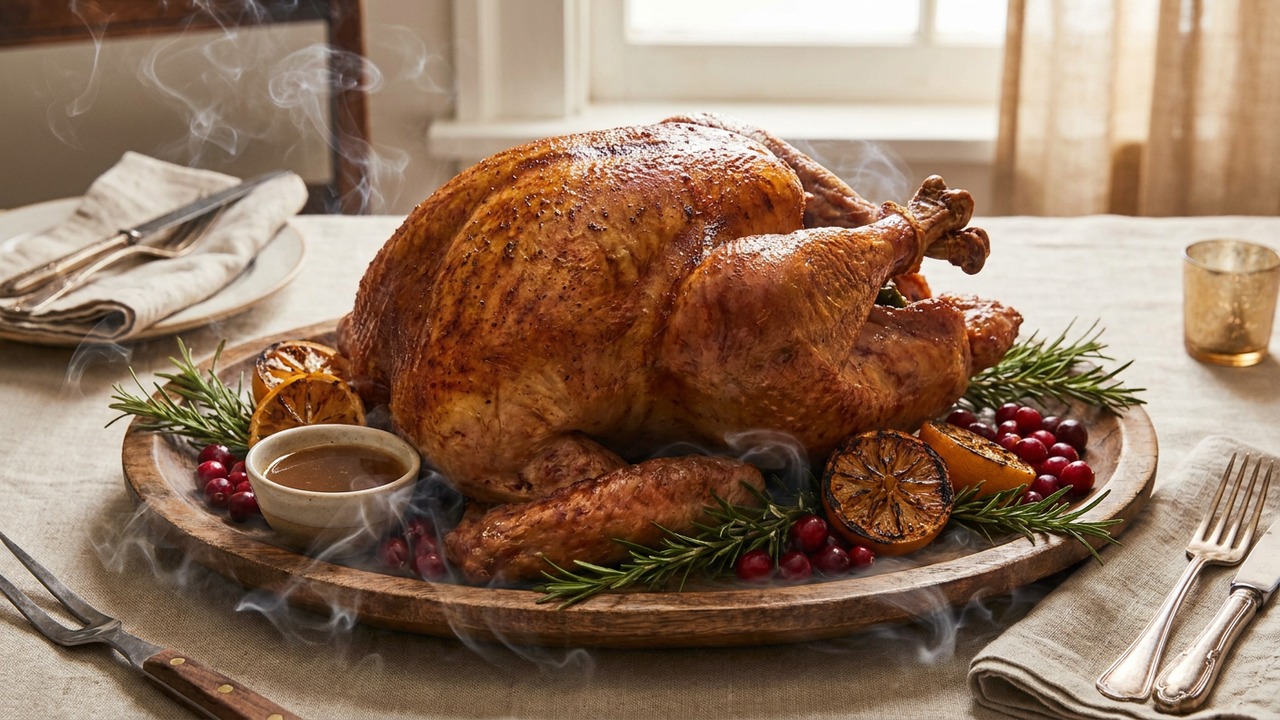
Smoke-and-Roast Turkey
A dependable two-stage smoke-then-roast method that delivers clear, smoky flavor and golden, crisp skin while keeping breast meat juicy. Smoke low to infuse aroma, then finish at higher heat so the thighs reach safe temperatures without drying the white meat.
Ingredient Spotlight
Smoking wood chips (hickory, apple, or mix), soaked 30 minutes
Small pieces of hardwood used to produce smoke for grilling or smoking foods; commonly used in American barbecue and other smoking traditions. Different woods impart distinct aromas—hickory is strong and savory/bacon‑like, apple is milder and slightly sweet, and a mix gives a balanced smoke flavor. You can find wood chips at grocery stores, hardware stores, BBQ supply shops, or online; if you don’t have them, good substitutes include wood chunks/charcoal with a small amount of wood, a few drops of liquid smoke (use sparingly), or finishing with smoked salt or smoked paprika to mimic the smoky note.
Jake Woods's note
"This technique is great for Thanksgiving or any special dinner when you want real smoke flavor without the dry breast that sometimes comes from low-and-slow only methods. Home cooks will appreciate the clear temps and simple finishing step that guarantees juicy results."
About This Recipe
Smoke-and-Roast Turkey is a practical, everyday take on smoked poultry that gives you clean smoke flavor without the bitterness of an over-smoked bird. The two-stage approach—low, aromatic smoke to infuse the meat, then a higher roasting temperature to finish—lets you coax flavor into the breast without overcooking it. A dry-brine firms the skin so the herb butter slips under the breast and flavors the meat directly; the butter, olive oil and aromatics create a glossy brown skin while the cavity steam from onion, lemon and garlic keeps the inner meat bright and fragrant.
This is the turkey for hosts who want a real, wood-derived note on the table but don’t want to babysit an all-day smoke. Hickory gives assertive backbone, apple lends sweetness, and a mix balances savory and fragrant tones—choose based on your side dishes. Starting around 125°F in the breast and finishing at higher heat equalizes juices and ensures thighs reach safe temperatures without drying the white meat. Let the bird rest long enough to capture the juices, then use the pan drippings for a peppery, herb-forward gravy that echoes the butter and wood smoke.
Ingredients for Smoke-and-Roast Turkey
- 12 lb Whole turkey (neck and giblets removed)
- 3 tbsp Kosher salt
- 6 tbsp Unsalted butter, softened
- 2 tbsp Fresh rosemary and thyme, finely chopped (combined)
- 2 tbsp Olive oil
- 2 tsp Freshly ground black pepper
- 1 medium Yellow onion, quartered
- 1 piece Lemon, halved
- 4 cloves Garlic cloves, smashed
- 2 cups Smoking wood chips (hickory, apple, or mix), soaked 30 minutes
How to Make Smoke-and-Roast Turkey
Step 1: Dry-brine the turkey
Pat the turkey thoroughly dry with paper towels. Sprinkle kosher salt evenly inside the cavity and over the skin (about 3 tablespoons total for a 12-lb bird); refrigerate uncovered on a rack for at least 8 hours or preferably overnight to dry-brine and firm the skin. Return the turkey to room temperature about 1 hour before smoking.For this step
- 12 lbWhole turkey (neck and giblets removed)
- 3 tbspKosher salt
Step 2: Make herb butter and prepare aromatics
Mix the softened butter with the chopped rosemary and thyme and 1 teaspoon of the black pepper. Gently loosen the breast skin with your fingers and spread 2/3 of the herb butter under the skin over the breasts; rub the remaining butter over the exterior skin and drizzle the olive oil over the skin. Stuff the cavity with the quartered onion, halved lemon, and smashed garlic to add aromatic steam during cooking.For this step
- 6 tbspUnsalted butter, softened
- 2 tbspFresh rosemary and thyme, finely chopped (combined)
- 2 tbspOlive oil
- 2 tspFreshly ground black pepper
- 1 mediumYellow onion, quartered
- 1 pieceLemon, halved
- 4 clovesGarlic cloves, smashed
Step 3: Cold start smoker and smoke at low heat
Preheat your smoker to 275°F (135°C) using the soaked wood chips; stabilize heat and place a drip pan under the grate. Place the turkey breast-side up on the rack and smoke until the thickest part of the breast registers about 125°F (about 2–2.5 hours for a 12-lb bird); periodically check fuel and add chips to maintain steady smoke. If you like stronger smoke, smoke up to 135°F but be mindful that longer low-heat exposure approaches finished doneness.For this step
- 2 cupsSmoking wood chips (hickory, apple, or mix), soaked 30 minutes
Step 4: Raise heat and finish roasting to safe temps
Increase the smoker or oven temperature to 375°F (190°C) or transfer the turkey to a preheated 375°F oven. Roast until the breast reaches 160°F and the thigh reaches 175°F (about 45–90 minutes depending on size and how smoky it was). Use an instant-read thermometer in the thickest part of the breast and thigh; the higher finishing temperature ensures a safe, even doneness while keeping juices sealed in from the earlier smoke stage.Step 5: Rest and carve
Transfer the turkey to a cutting board, tent loosely with foil, and rest 20–30 minutes so juices redistribute and carryover raises the internal temp slightly. Carve and serve warm; reserve pan juices for gravy or spoon over slices for extra moisture and flavor.

- Pat the turkey thoroughly dry with paper towels. Sprinkle kosher salt evenly inside the cavity and over the skin (about 3 tablespoons total for a 12-lb bird); refrigerate uncovered on a rack for at least 8 hours or preferably overnight to dry-brine and firm the skin. Return the turkey to room temperature about 1 hour before smoking.
- Mix the softened butter with the chopped rosemary and thyme and 1 teaspoon of the black pepper. Gently loosen the breast skin with your fingers and spread 2/3 of the herb butter under the skin over the breasts; rub the remaining butter over the exterior skin and drizzle the olive oil over the skin. Stuff the cavity with the quartered onion, halved lemon, and smashed garlic to add aromatic steam during cooking.
- Preheat your smoker to 275°F (135°C) using the soaked wood chips; stabilize heat and place a drip pan under the grate. Place the turkey breast-side up on the rack and smoke until the thickest part of the breast registers about 125°F (about 2–2.5 hours for a 12-lb bird); periodically check fuel and add chips to maintain steady smoke. If you like stronger smoke, smoke up to 135°F but be mindful that longer low-heat exposure approaches finished doneness.
- Increase the smoker or oven temperature to 375°F (190°C) or transfer the turkey to a preheated 375°F oven. Roast until the breast reaches 160°F and the thigh reaches 175°F (about 45–90 minutes depending on size and how smoky it was). Use an instant-read thermometer in the thickest part of the breast and thigh; the higher finishing temperature ensures a safe, even doneness while keeping juices sealed in from the earlier smoke stage.
- Transfer the turkey to a cutting board, tent loosely with foil, and rest 20–30 minutes so juices redistribute and carryover raises the internal temp slightly. Carve and serve warm; reserve pan juices for gravy or spoon over slices for extra moisture and flavor.
Smoke-and-Roast Turkey Tips
Dry-brine for crisp skin
Salt the whole bird and refrigerate uncovered overnight; this both seasons the meat and dries the skin so it browns and crisps during the high-heat finish.
Loosen skin gently
Work your fingers slowly between skin and breast to avoid tearing—if the skin rips, press softened butter onto the meat surface and smear the exterior to keep flavor and moisture.
Place thermometer correctly
Insert an instant-read thermometer into the thickest part of the breast and the inner thigh without touching bone to get accurate readings for both stages of cooking.
Choose wood to match sides
Use hickory for bold, pork-like smoke or apple for a sweeter, lighter note; a 50/50 mix is a safe default that pairs well with classic Thanksgiving flavors.
Use a drip pan wisely
A shallow pan under the turkey catches juices for gravy and reduces flare-ups; add a cup of water or stock to the pan to stabilize smoker temp and create steam when roasting.
Smoke-and-Roast Turkey Variations and Substitutions
Wet-brine alternative
If you prefer a moister interior, submerge the turkey in a simple wet brine (water, salt, sugar, aromatics) for 8–12 hours, then skip the additional kosher salt on the skin and pat very dry before smoking.
Citrus–garlic compound butter
Fold finely grated lemon zest and extra smashed garlic into the herb butter to amplify the citrus steam from the cavity and brighten the smoked flavor.
Spiced BBQ rub
Swap 1–2 teaspoons of pepper in the butter for a smoked paprika and brown sugar rub on the exterior for a sweet-savory barbecue twist that caramelizes beautifully when roasted.
Turkey crown or breasts
For smaller gatherings, use a crown (breast-only) and shorten the smoke stage to reach 125–130°F quickly, then roast; plan for much less finishing time because thigh temp is not a concern.
How to Store and Make Smoke-and-Roast Turkey Ahead
Cool leftovers within two hours and store covered in the refrigerator for up to 3–4 days or freeze slices in an airtight container for up to 3 months. To reheat, wrap slices in foil with a splash of pan juices or stock and warm in a 325°F oven until just heated through to avoid drying the breast meat.
What to Serve With Smoke-and-Roast Turkey
Serve slices with warm pan gravy made from the drippings and a bright cranberry or citrus relish to cut the smoke. Complement the rich, herb-buttered turkey with mashed potatoes or roasted root vegetables, sautéed Brussels sprouts, and an acid-driven green salad; pair with a medium-bodied Chardonnay, a crisp hard cider, or an amber ale.
Smoke-and-Roast Turkey FAQs
Why start at 275°F and stop at 125°F for the breast?
Smoking low and slow to about 125°F allows a clear smoke flavor to penetrate without overcooking; the higher roast temperature then brings the dark meat to safe levels while locking juices into the breast.
My skin got a little soggy after smoking—how can I fix it?
Raise the heat as instructed and roast uncovered; the hot, dry finish will evaporate surface moisture and render fat, crisping the skin quickly in 30–60 minutes.
Can I use a gas grill instead of a smoker?
Yes—set up for indirect heat and use a smoker box or foil packet with soaked wood chips. Maintain stable temps and place a drip pan to collect juices and prevent flare-ups.
How much salt is safe for dry-brining?
About 1/2 teaspoon kosher salt per pound is a good rule; for a 12-lb bird roughly 3 tablespoons total is appropriate as written, but reduce slightly for coarse salts or if using a prior wet brine.
Can I spatchcock this turkey with the same method?
You can, but spatchcocking shortens cooking time and exposes more skin to smoke; aim for the breast to hit 125–130°F during the smoke stage then finish briefly at higher heat to crisp without drying.
About the author
Jake WoodsHello, I'm Jake. I started this recipe site with the idea that I hated recipe websites that overwhelm you with long stories and ads just to see plain content that's not helpful. My goal is to provide you with quality recipes, simple ideas and a fun cooking experience. There's lots of fun things to cook, and I think as you browse the site you'll find that TopShelf.Recipes is the place for quality recipes on the web.
See all recipes by Jake Woods →Ratings & Reviews
Did you make this recipe?
Be the first to share your experience.
Nutrition Facts
Per serving: 1 serving
Nutrition values are estimated from USDA ingredient data and may vary based on preparation, brands, and portion sizes. Values are provided for informational purposes only.
Keep Reading
Guides & articles for this recipe
Guides
Labour Day Smoking Playbook
Seven ready-to-run smoke-first menus with exact start/hold/serve timelines so you can plan an overnight pit and a stress-free Labour Day spread. Includes make-ahead side pairings, cooler-transport tips, fuel and wood picks for late-summer weather, and safety + hold strategies so hosts can relax and enjoy the holiday.
Tips & Techniques
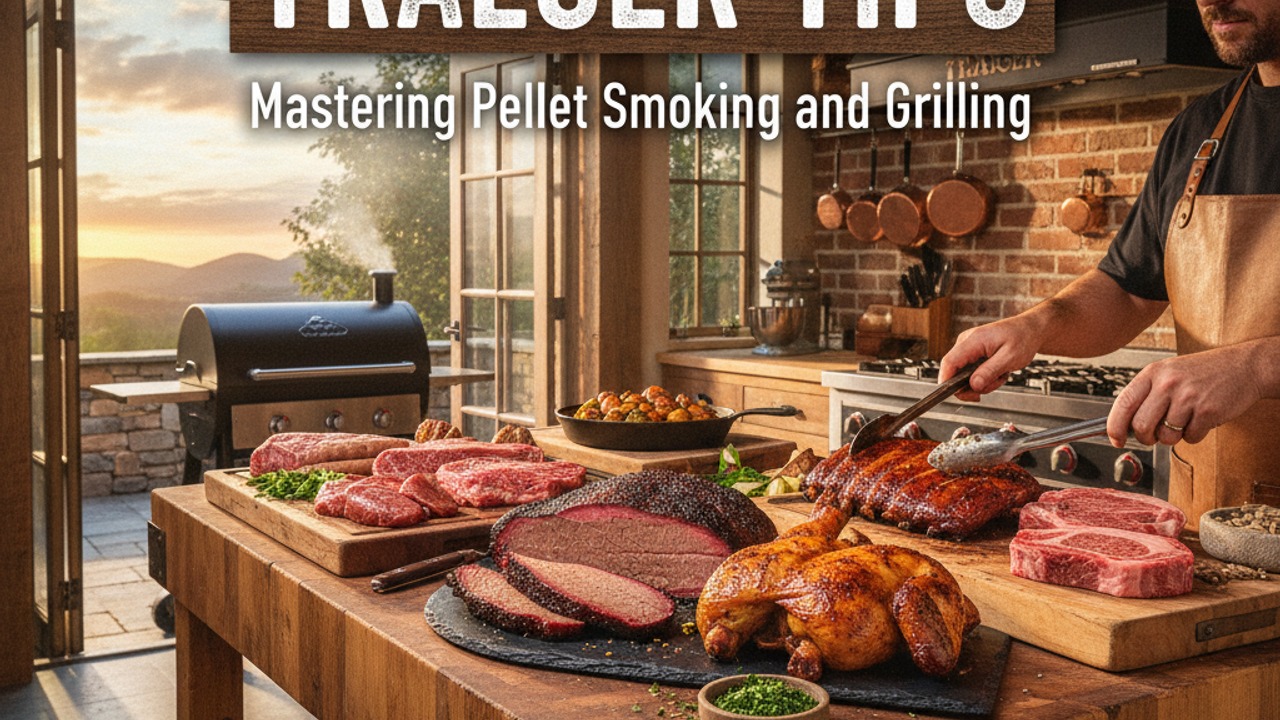
Traeger Tips: Mastering Pellet Smoking and Grilling
Practical, hands-on Traeger tips for better smoke, cleaner maintenance, and consistently great results. Learn pellet selection, temperature control, maintenance routines, and cook-specific advice for spectacular brisket, ribs, poultry and more.

Healthy Eating
Gluten-Free Weeknight Grilling Plan
A 7-day gluten-free weeknight grilling plan with quick, family-friendly recipes, prep-ahead timelines, and a printable shopping list that spotlights late-summer produce and pantry staples. Includes clear cross-contamination safety tips and simple swaps to keep dinners fast and crowd-pleasing.
More from Smoking
View all Smoking recipes →
Smoked Chex Mix

Smoked Coffee-Chile Rubbed Pork Roast for Pellet or Offset Smokers

Smoked Pizza with Smoked Mozzarella

Smoked Pulled Pork Meal Prep

Eggs Benedict Pulled Pork

Smoked BBQ Beef Meatballs with Cherry Chipotle Glaze

Traeger Burnt Ends from Brisket Tips with Molasses Glaze

Campfire‑Smoked Potato Salad with Mustard‑Bacon Vinaigrette — A Labor Day Grilling Side for Steak

Smoked Chocolate Cake
Ask me anything about this recipe — substitutions, scaling, techniques, timing.
Powered by AI · 6 questions per 5 minutes, 30 per day