Smoked Baked Beans
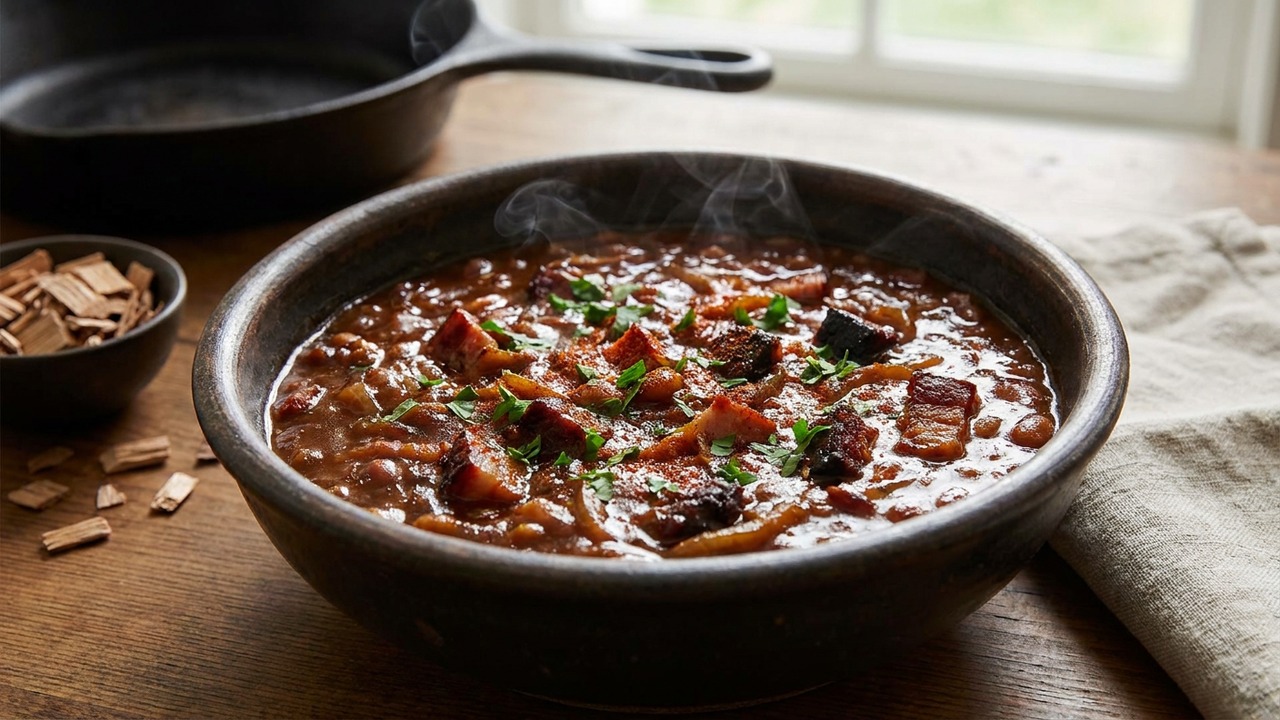
Rich, slightly sweet baked beans smoked low and slow until thick, glossy, and infused with real wood flavor. Built for pellet and offset smokers, this side pairs perfectly with brisket, ribs, or any backyard BBQ and is simple enough for weeknight cookouts.
Jake Woods's note
"These beans shine at cookouts and potlucks — smoky, sweet, and meaty from rendered bacon. Home cooks will love the make-ahead ease and that authentic smoked finish you only get from a smoker."
About This Recipe
This version of smoked baked beans is built around one idea: take the humble canned bean and give it real barbecue depth without a half-day soak and simmer. Browning streaky bacon and sautéing onion in the rendered fat creates a savory backbone, while molasses, brown sugar, ketchup and a splash of apple cider vinegar deliver the sweet-tang balance that complements smoke rather than competing with it. Smoking them uncovered lets the surface pick up wood flavor and the sauce reduce to a glossy, clingy finish—think sticky, not soupy.
It’s a practical recipe for both weekend pitmasters and weeknight grillers who want authentic barbecue flavor without babysitting a pot all afternoon. Use a cast-iron pan to encourage caramelization, pick a mild fruitwood like apple or pecan if you want a gentler smoke, and don’t be shy about finishing in a hot oven for that bakery-like, caramelized top. Leftovers intensify overnight, so these beans work equally well as a make-ahead side for a crowd or a flavorful companion to brisket, ribs, or a simple grilled chicken.
Ingredients for Smoked Baked Beans
- 6 oz streaky bacon
- 1 medium yellow onion, finely chopped
- 3 15 oz cans canned navy or great northern beans, drained (15 oz / 425 g cans)
- 1 cup ketchup
- 1/3 cup packed brown sugar
- 2 Tbsp blackstrap or regular molasses
- 2 Tbsp apple cider vinegar
- 1 Tbsp Dijon mustard
- 1 Tbsp Worcestershire sauce
How to Make Smoked Baked Beans
Step 1: Preheat smoker and render bacon with onion
Preheat your smoker to 250°F (121°C) using your preferred wood (hickory, apple, or pecan work well). While the smoker comes up to temp, dice the bacon and cook it in a skillet over medium heat until most fat is rendered and pieces start to brown; add the chopped onion and cook until translucent, about 4–5 minutes. Transfer the cooked bacon and onions to a bowl and reserve the rendered fat.For this step
- 6 ozstreaky bacon
- 1 mediumyellow onion, finely chopped
Step 2: Mix beans and sauce
In a large bowl, combine the drained beans with ketchup, brown sugar, molasses, apple cider vinegar, Dijon mustard, and Worcestershire sauce. Stir thoroughly until the sugar is dissolved and the sauce is homogenous. Taste and adjust sweetness or tang as desired.For this step
- 3 15 oz canscanned navy or great northern beans, drained (15 oz / 425 g cans)
- 1 cupketchup
- 1/3 cuppacked brown sugar
- 2 Tbspblackstrap or regular molasses
- 2 Tbspapple cider vinegar
- 1 TbspDijon mustard
- 1 TbspWorcestershire sauce
Step 3: Assemble in smoker-safe vessel
Lightly grease a 9x9-inch cast-iron skillet or an aluminum foil pan with a tablespoon of the reserved bacon fat, then pour in the bean mixture and fold in the cooked bacon and onions. Smooth the top and leave the pan uncovered so smoke can penetrate the surface.Step 4: Smoke low and slow
Place the pan in the preheated smoker and smoke at 250°F (121°C) for 90–120 minutes, until the sauce is bubbling and has reduced to a glossy, thick consistency. Stir once about halfway through cooking to redistribute heat and check progress; add a little reserved bacon fat if the surface looks dry.Step 5: Finish and concentrate (optional)
If you prefer a thicker, more caramelized top, smoke uncovered for the final 10–15 minutes, or move the pan to a 350°F (177°C) oven for 8–10 minutes to concentrate the sauce. Be careful not to scorch—you want a sticky glaze, not burned sugar.Step 6: Rest and serve
Remove the beans from the smoker and let them rest 5–10 minutes to set. Serve warm as a hearty BBQ side; leftovers keep well refrigerated and taste even better the next day after the flavors meld.


- Preheat your smoker to 250°F (121°C) using your preferred wood (hickory, apple, or pecan work well). While the smoker comes up to temp, dice the bacon and cook it in a skillet over medium heat until most fat is rendered and pieces start to brown; add the chopped onion and cook until translucent, about 4–5 minutes. Transfer the cooked bacon and onions to a bowl and reserve the rendered fat.
- In a large bowl, combine the drained beans with ketchup, brown sugar, molasses, apple cider vinegar, Dijon mustard, and Worcestershire sauce. Stir thoroughly until the sugar is dissolved and the sauce is homogenous. Taste and adjust sweetness or tang as desired.
- Lightly grease a 9x9-inch cast-iron skillet or an aluminum foil pan with a tablespoon of the reserved bacon fat, then pour in the bean mixture and fold in the cooked bacon and onions. Smooth the top and leave the pan uncovered so smoke can penetrate the surface.
- Place the pan in the preheated smoker and smoke at 250°F (121°C) for 90–120 minutes, until the sauce is bubbling and has reduced to a glossy, thick consistency. Stir once about halfway through cooking to redistribute heat and check progress; add a little reserved bacon fat if the surface looks dry.
- If you prefer a thicker, more caramelized top, smoke uncovered for the final 10–15 minutes, or move the pan to a 350°F (177°C) oven for 8–10 minutes to concentrate the sauce. Be careful not to scorch—you want a sticky glaze, not burned sugar.
- Remove the beans from the smoker and let them rest 5–10 minutes to set. Serve warm as a hearty BBQ side; leftovers keep well refrigerated and taste even better the next day after the flavors meld.
Smoked Baked Beans Tips
Render bacon fully
Cook bacon until most fat is rendered and pieces just begin to brown so you get crisp texture and flavorful fat for greasing the pan.
Reserve the fat
Use a tablespoon of the reserved bacon fat to grease the pan for extra flavor and better caramelization on the bean surface.
Choose your wood
Milder woods like apple or pecan complement the sweet-molasses sauce, while hickory adds a stronger backbone—match intensity to your main protein.
Stir once halfway
Gently stir about halfway through to redistribute heat and prevent hot spots, but avoid over-stirring so the surface can develop a glaze.
Finish carefully
If concentrating in the oven, watch closely for the last few minutes so sugars caramelize without scorching; a 350°F blast for 8–10 minutes is usually enough.
Smoked Baked Beans Variations and Substitutions
Vegetarian smoky beans
Skip the bacon and use 1–2 teaspoons of liquid smoke plus 2 tablespoons olive oil and a handful of smoked tempeh or mushrooms for texture.
Spicy chipotle kick
Stir in 1–2 minced chipotle peppers in adobo or 1 teaspoon chipotle powder for a smoky heat that pairs nicely with the molasses sweetness.
From-dried beans
Soak and cook 1 pound dried navy or great northern beans until tender and use some of the cooking liquid in place of water to deepen flavor and control sauce thickness.
Bourbon-browned finish
Add 2 tablespoons bourbon to the sauce before smoking or splash on during the final 10 minutes and let alcohol burn off to add warmth and complexity.
How to Store and Make Smoked Baked Beans Ahead
Cool the beans to room temperature, then store tightly covered in the refrigerator for up to 3–4 days, or freeze in an airtight container for up to 3 months. Reheat gently on the stovetop over low heat, adding a splash of water or reserved bacon fat if the sauce has thickened too much; for the best texture and flavor, reheat in a 325°F smoker or oven for 10–15 minutes to refresh the glaze.
What to Serve With Smoked Baked Beans
Serve smoked baked beans alongside brisket, pork ribs, or pulled chicken and add a crisp vinegar slaw and buttery cornbread to balance the richness. For drinks, pair with a hoppy IPA or a whiskey-based cocktail to stand up to the molasses and smoke; garnish the beans with chopped scallions or crumbled crisp bacon for color and crunch.
Smoked Baked Beans FAQs
Can I use different canned beans?
Yes—great northern, navy, or cannellini all work well; larger beans like pinto will hold up too but may change the mouthfeel, so adjust cooking time if needed.
How smoky will these beans be?
Smoking uncovered for 90–120 minutes at 250°F imparts a noticeable but not overpowering smoke; shorten the time or use milder wood for subtler smoke, or extend it for more intensity.
Do I have to precook the bacon?
Precooking the bacon renders fat and crisps the pieces for texture; tossing raw bacon into the pan will work but may produce chewier bites and less rendered fat for browning.
Why did my sauce scorch when I finished it?
High temperature caramelizes quickly; to avoid scorching, finish under gentle heat and watch closely for the last few minutes, stirring once if edges darken too fast.
Can I make this completely ahead of time?
Yes—smoke the beans through step 4, cool, and refrigerate; reheat in a 325°F oven or smoker to revive the glaze, or add a quick oven finish for fresh caramelization before serving.
About the author
Jake WoodsHello, I'm Jake. I started this recipe site with the idea that I hated recipe websites that overwhelm you with long stories and ads just to see plain content that's not helpful. My goal is to provide you with quality recipes, simple ideas and a fun cooking experience. There's lots of fun things to cook, and I think as you browse the site you'll find that TopShelf.Recipes is the place for quality recipes on the web.
See all recipes by Jake Woods →Ratings & Reviews
Did you make this recipe?
Be the first to share your experience.
Nutrition Facts
Per serving: about ½ cup
Nutrition values are estimated from USDA ingredient data and may vary based on preparation, brands, and portion sizes. Values are provided for informational purposes only.
Keep Reading
Guides & articles for this recipe
Guides
Labour Day Smoking Playbook
Seven ready-to-run smoke-first menus with exact start/hold/serve timelines so you can plan an overnight pit and a stress-free Labour Day spread. Includes make-ahead side pairings, cooler-transport tips, fuel and wood picks for late-summer weather, and safety + hold strategies so hosts can relax and enjoy the holiday.
Tips & Techniques
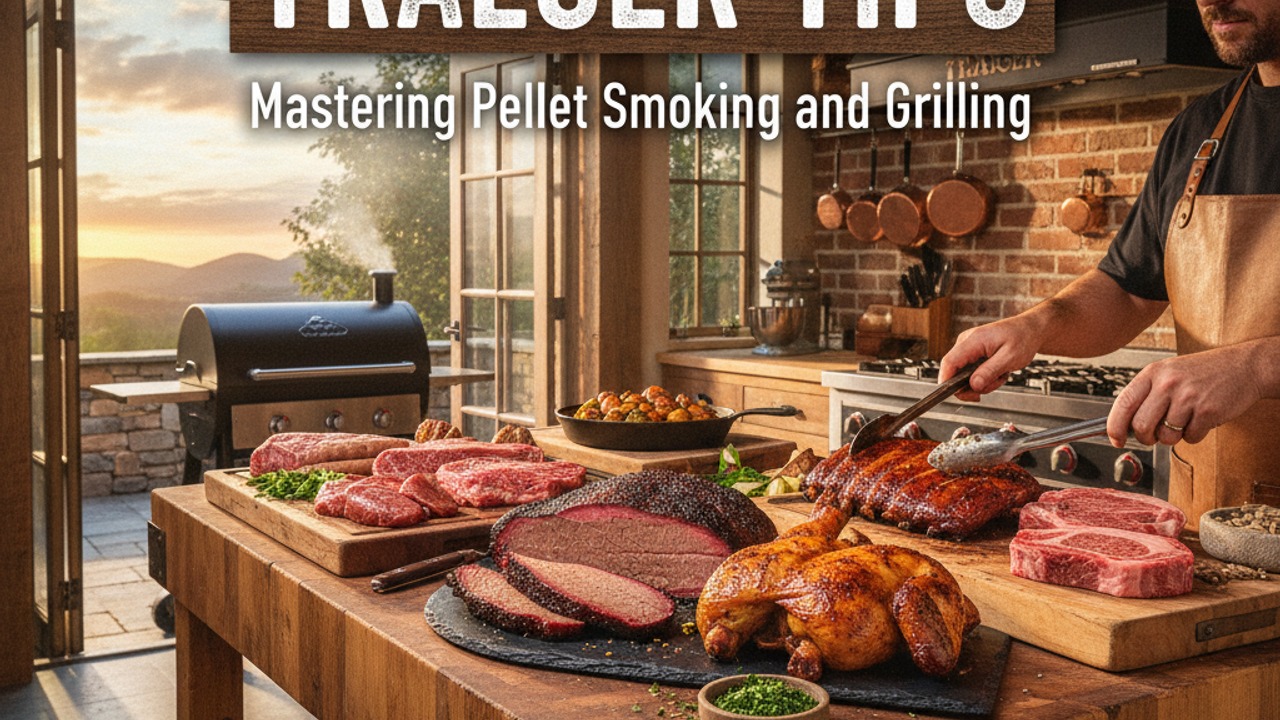
Traeger Tips: Mastering Pellet Smoking and Grilling
Practical, hands-on Traeger tips for better smoke, cleaner maintenance, and consistently great results. Learn pellet selection, temperature control, maintenance routines, and cook-specific advice for spectacular brisket, ribs, poultry and more.

Healthy Eating
Gluten-Free Weeknight Grilling Plan
A 7-day gluten-free weeknight grilling plan with quick, family-friendly recipes, prep-ahead timelines, and a printable shopping list that spotlights late-summer produce and pantry staples. Includes clear cross-contamination safety tips and simple swaps to keep dinners fast and crowd-pleasing.
More from Smoking
View all Smoking recipes →
Smoked Chex Mix

Smoked Coffee-Chile Rubbed Pork Roast for Pellet or Offset Smokers

Smoked Pizza with Smoked Mozzarella

Smoked Pulled Pork Meal Prep

Eggs Benedict Pulled Pork

Smoked BBQ Beef Meatballs with Cherry Chipotle Glaze

Traeger Burnt Ends from Brisket Tips with Molasses Glaze

Campfire‑Smoked Potato Salad with Mustard‑Bacon Vinaigrette — A Labor Day Grilling Side for Steak

Smoked Chocolate Cake
Ask me anything about this recipe — substitutions, scaling, techniques, timing.
Powered by AI · 6 questions per 5 minutes, 30 per day