Smoked Bean and Barley Chili
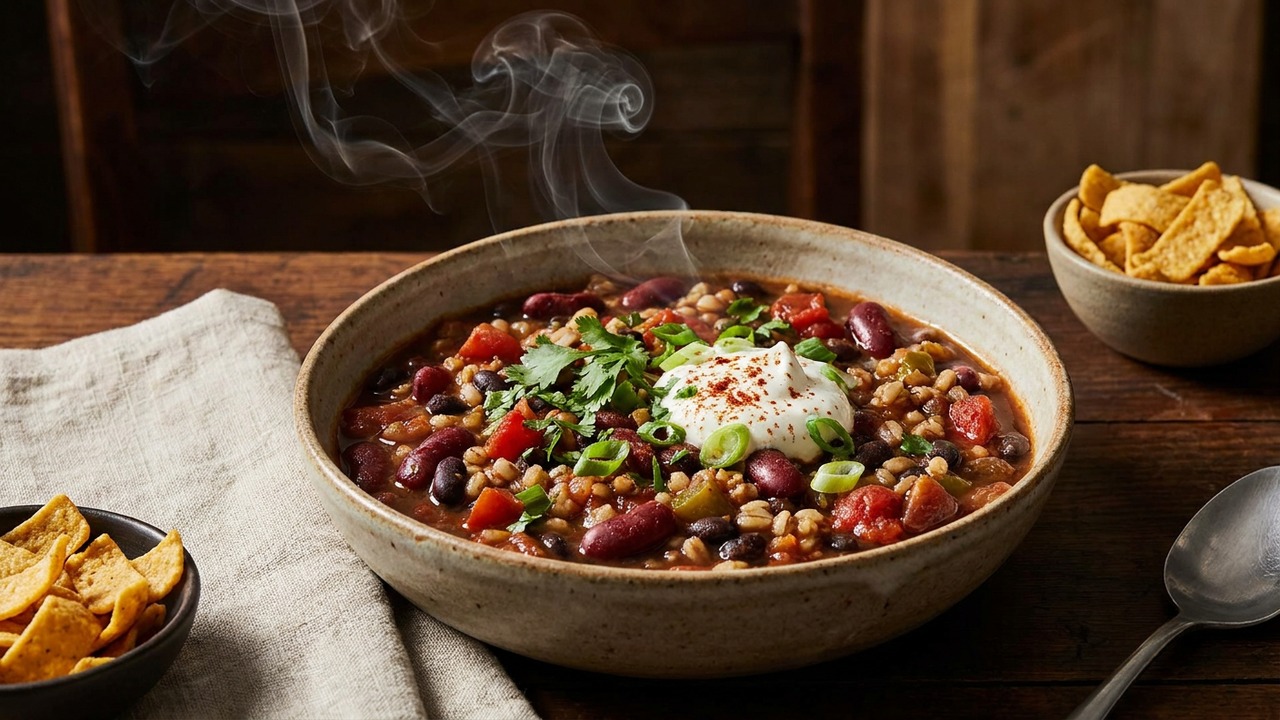
A smoky, vegetarian chili that layers real wood-smoke with hearty beans and chewy pearled barley for extra fiber and texture. Perfect for cool evenings or casual gatherings, it brings the flavor of smoked meats to a vegetarian-friendly bowl.
Ingredient Spotlight
Pearled barley
Pearled barley is barley grain that’s been polished to remove the outer bran, giving it a plump, slightly chewy texture and a mild, nutty flavor; it’s common in European and Middle Eastern cooking and often used in soups, stews, and salads. You’ll find it in the grains or rice aisle at most supermarkets or natural-food stores; good substitutes are farro or brown rice for texture, or hulled barley if you want more fiber and a chewier bite (adjust cooking times accordingly).
Ingredient Spotlight
Chipotle in adobo
Chipotle in adobo are smoked, ripe jalapeños packed in a tangy, slightly sweet tomato–vinegar sauce—an ingredient from Mexican cuisine that provides both deep smokiness and medium heat. Canned chipotles are sold in the Latin/International aisle of most grocery stores; if you don’t have any, substitute a combination of smoked paprika (for smoke), a small amount of cayenne or crushed red pepper (for heat) and a touch of tomato paste plus vinegar to mimic the adobo’s tang and body.
Jake Woods's note
"This chili shines when you want deep smoke flavor without meat — the smoker softens and chars the vegetables, creating a rich backbone for the beans and barley. Serve it at potlucks or weeknight dinners; it reheats beautifully and tastes even better the next day."
About This Recipe
This smoked bean and barley chili is designed to give you the deep, savory hit of wood smoke that people usually look for in meat-based chilis, but in a vegetarian-friendly bowl. Smoking the whole vegetables (onion, pepper, tomato and garlic) concentrates and layers smoke flavor in ways that smoked paprika or liquid smoke alone can’t duplicate, while the pearled barley brings a pleasantly chewy texture and body that beans alone can’t provide. The chipotle in adobo adds both heat and an extra smoky note that ties the whole pot together without overwhelming the vegetables’ caramelized sweetness.
What makes this version work is the balance between texture and depth: blistered, slightly charred veg folded into the pot give a rounded, savory base; the mixed beans add creaminess and bite; and the barley swells and thickens to create a stew-like mouthfeel that’s hearty without being heavy. It’s a great make-ahead dish for cool evenings, potlucks, or anyone who likes the experience of smoked food but prefers plant-forward ingredients. Resting the chili after cooking lets those smoke and spice layers settle into the barley and beans for a more integrated flavor.
Ingredients for Smoked Bean and Barley Chili
- 1 large Yellow onion (halved)
- 1 large Red bell pepper (stemmed, halved)
- 4 medium Roma tomatoes (whole)
- 4 cloves Garlic cloves (in skin)
- 2 tbsp Olive oil
- 3 tbsp Chili spice blend (ground cumin, smoked paprika, chili powder, dried oregano, salt)
- 1 cup Pearled barley (dry)
- 2 15 oz cans Mixed beans, drained and rinsed (kidney/black/pinto)
- 4 cups Vegetable broth (low-sodium preferred)
- 1 tbsp Chipotle in adobo, minced (for heat and smoke)
How to Make Smoked Bean and Barley Chili
Step 1: Smoke the vegetables
Preheat your smoker to 225°F (107°C). Toss halved onion, red pepper, whole Roma tomatoes and garlic cloves (in skin) on the smoker rack and smoke for 45–60 minutes, until the skins are blistered and vegetables are softened and lightly charred. Remove and allow to cool slightly.For this step
- 1 largeYellow onion (halved)
- 1 largeRed bell pepper (stemmed, halved)
- 4 mediumRoma tomatoes (whole)
- 4 clovesGarlic cloves (in skin)
Step 2: Sauté smoked aromatics with spices
Peel the garlic, roughly chop the smoked onion, pepper and tomatoes, and strain out excess juices from tomatoes into a bowl (reserve juices). Warm the olive oil in a large heavy pot over medium heat, add the chopped smoked vegetables and cook 3–4 minutes. Stir in the chili spice blend and cook another 1–2 minutes until fragrant, scraping up any browned bits.For this step
- 2 tbspOlive oil
- 3 tbspChili spice blend (ground cumin, smoked paprika, chili powder, dried oregano, salt)
Step 3: Add barley, beans, broth and chipotle
Add the pearled barley, drained mixed beans, minced chipotle and the vegetable broth plus any reserved tomato juices to the pot. Bring to a gentle boil, then reduce heat to a simmer and cover partially. Simmer for 30–40 minutes, stirring occasionally, until barley is tender and chili has thickened.For this step
- 1 cupPearled barley (dry)
- 2 15 oz cansMixed beans, drained and rinsed (kidney/black/pinto)
- 4 cupsVegetable broth (low-sodium preferred)
- 1 tbspChipotle in adobo, minced (for heat and smoke)
Step 4: Adjust seasoning and finish simmer
Taste and adjust salt, heat, and acidity (a squeeze of lime or splash of apple cider vinegar brightens the flavor). If the chili is too thin, simmer uncovered for 5–10 minutes to concentrate; if too thick, add up to 1 cup more broth to reach desired consistency.Step 5: Rest and serve
Let the chili rest off heat for 10 minutes to meld flavors before serving. Ladle into bowls and garnish as you like with cilantro, diced avocado, shredded cheese, or a dollop of sour cream — it pairs well with cornbread or steamed rice.


- Preheat your smoker to 225°F (107°C). Toss halved onion, red pepper, whole Roma tomatoes and garlic cloves (in skin) on the smoker rack and smoke for 45–60 minutes, until the skins are blistered and vegetables are softened and lightly charred. Remove and allow to cool slightly.
- Peel the garlic, roughly chop the smoked onion, pepper and tomatoes, and strain out excess juices from tomatoes into a bowl (reserve juices). Warm the olive oil in a large heavy pot over medium heat, add the chopped smoked vegetables and cook 3–4 minutes. Stir in the chili spice blend and cook another 1–2 minutes until fragrant, scraping up any browned bits.
- Add the pearled barley, drained mixed beans, minced chipotle and the vegetable broth plus any reserved tomato juices to the pot. Bring to a gentle boil, then reduce heat to a simmer and cover partially. Simmer for 30–40 minutes, stirring occasionally, until barley is tender and chili has thickened.
- Taste and adjust salt, heat, and acidity (a squeeze of lime or splash of apple cider vinegar brightens the flavor). If the chili is too thin, simmer uncovered for 5–10 minutes to concentrate; if too thick, add up to 1 cup more broth to reach desired consistency.
- Let the chili rest off heat for 10 minutes to meld flavors before serving. Ladle into bowls and garnish as you like with cilantro, diced avocado, shredded cheese, or a dollop of sour cream — it pairs well with cornbread or steamed rice.
Smoked Bean and Barley Chili Tips
Choose the right barley
Pearled barley is recommended because it softens in the 30–40 minute simmer; hulled barley will need much longer or pre-soaking to avoid an undercooked center.
Smoke for color and flavor
Aim for 45–60 minutes at 225°F to get good blistering and smoky flavor without collapsing the veg; you want softened flesh with charred skins, not a pile of mush.
Reserve tomato juices
Straining and saving the tomato juices adds concentrated tomato flavor and a bit of cooking liquid that enhances the chili’s body when returned to the pot.
Adjust chipotle carefully
Start with the listed tablespoon of minced chipotle and taste after simmering; chipotle’s heat and smoke intensify as it melds, so add in small increments if you’re unsure.
Stir to prevent sticking
Barley can cling to the pot as it swells — stir every 8–10 minutes during the simmer and use a heavy-bottomed pot to reduce scorching.
Finish with acid
A squeeze of lime or a splash of apple cider vinegar brightens the smoky, savory notes at the end and prevents the chili from tasting flat.
Smoked Bean and Barley Chili Variations and Substitutions
Gluten-free swap
Replace pearled barley with cooked quinoa or short-grain brown rice (add at the end of cooking if pre-cooked), and simmer until your chosen grain is tender; note the texture will be softer and less chewy.
Stovetop char alternative
If you don’t have a smoker, char the halved vegetables under a very hot broiler or directly over a gas burner until blistered, then proceed with the recipe for comparable roasted-smoke flavors.
Hearty mushroom boost
Add 8–10 ounces of chopped cremini or shiitake sautéed until deeply browned for an extra meaty umami layer that complements the smoke and beans.
Meat-friendly option
Stir in sliced smoked sausages or pulled smoked chicken during the simmer stage to make a non-vegetarian version that retains the recipe’s smoky backbone.
How to Store and Make Smoked Bean and Barley Chili Ahead
Cool the chili to room temperature, then refrigerate in airtight containers for up to 4–5 days. It freezes well for up to 3 months; thaw overnight in the fridge before reheating. When reheating, add a splash of broth or water because barley continues to absorb liquid while stored and the chili can thicken; reheat gently on the stovetop to preserve texture.
What to Serve With Smoked Bean and Barley Chili
Serve with warm cornbread, a wedge of lime, and toppings that add freshness and fat — diced avocado, chopped cilantro, pickled red onion, or a spoonful of sour cream or crème fraîche. For beverages, pair with a smoky amber beer, a dry rosé, or a mezcal-based cocktail to echo the chili’s smoked notes.
Smoked Bean and Barley Chili FAQs
Can I make this without a smoker?
Yes — broil the vegetables until well blistered and charred on the cut sides (or char them over a gas flame), then proceed with the recipe; you’ll get a roasted-smoke flavor that’s close to smoker results.
Why is my barley still chewy after 40 minutes?
If you used hulled barley or older grains, they require more time; continue simmering with the lid on for another 15–25 minutes and check liquid level, adding up to 1 cup more broth if needed.
How can I reduce the sodium?
Use low-sodium vegetable broth and rinse canned beans thoroughly; hold back any added salt until the end so you can adjust accurately after the barley has swollen and concentrated flavors.
Will the chili get better the next day?
Yes, flavors meld and the smoke and chipotle integrate further overnight, often producing a deeper-tasting chili; just loosen with broth when reheating if it has thickened.
My chili tastes flat — what should I add?
A bright acid like lime juice or a teaspoon of apple cider vinegar will lift the flavors; finish with fresh herbs and a pinch of salt to sharpen the overall profile.
Can I use dried beans instead of canned?
Yes — soak and cook the dried beans separately until tender, then add them during the simmer; be mindful of salt timing, since undercooked beans can require longer simmering than the barley allows.
About the author
Jake WoodsHello, I'm Jake. I started this recipe site with the idea that I hated recipe websites that overwhelm you with long stories and ads just to see plain content that's not helpful. My goal is to provide you with quality recipes, simple ideas and a fun cooking experience. There's lots of fun things to cook, and I think as you browse the site you'll find that TopShelf.Recipes is the place for quality recipes on the web.
See all recipes by Jake Woods →Ratings & Reviews
Did you make this recipe?
Be the first to share your experience.
Nutrition Facts
Per serving: about 1¾ cups
Nutrition values are estimated from USDA ingredient data and may vary based on preparation, brands, and portion sizes. Values are provided for informational purposes only.
Keep Reading
Guides & articles for this recipe
Guides
Labour Day Smoking Playbook
Seven ready-to-run smoke-first menus with exact start/hold/serve timelines so you can plan an overnight pit and a stress-free Labour Day spread. Includes make-ahead side pairings, cooler-transport tips, fuel and wood picks for late-summer weather, and safety + hold strategies so hosts can relax and enjoy the holiday.
Tips & Techniques
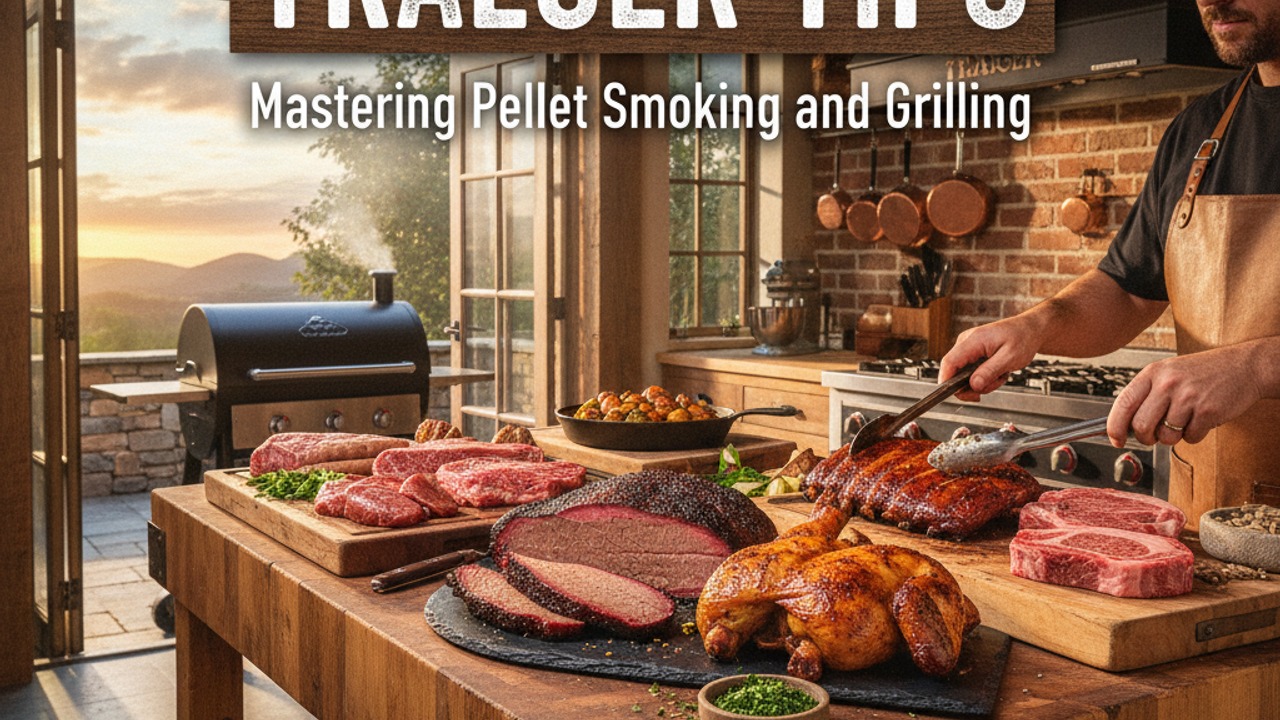
Traeger Tips: Mastering Pellet Smoking and Grilling
Practical, hands-on Traeger tips for better smoke, cleaner maintenance, and consistently great results. Learn pellet selection, temperature control, maintenance routines, and cook-specific advice for spectacular brisket, ribs, poultry and more.

Healthy Eating
Gluten-Free Weeknight Grilling Plan
A 7-day gluten-free weeknight grilling plan with quick, family-friendly recipes, prep-ahead timelines, and a printable shopping list that spotlights late-summer produce and pantry staples. Includes clear cross-contamination safety tips and simple swaps to keep dinners fast and crowd-pleasing.
More from Smoking
View all Smoking recipes →
Smoked Chex Mix

Smoked Coffee-Chile Rubbed Pork Roast for Pellet or Offset Smokers

Smoked Pizza with Smoked Mozzarella

Smoked Pulled Pork Meal Prep

Eggs Benedict Pulled Pork

Smoked BBQ Beef Meatballs with Cherry Chipotle Glaze

Traeger Burnt Ends from Brisket Tips with Molasses Glaze

Campfire‑Smoked Potato Salad with Mustard‑Bacon Vinaigrette — A Labor Day Grilling Side for Steak

Smoked Chocolate Cake
Ask me anything about this recipe — substitutions, scaling, techniques, timing.
Powered by AI · 6 questions per 5 minutes, 30 per day