Smoked Char Siu BBQ Pork
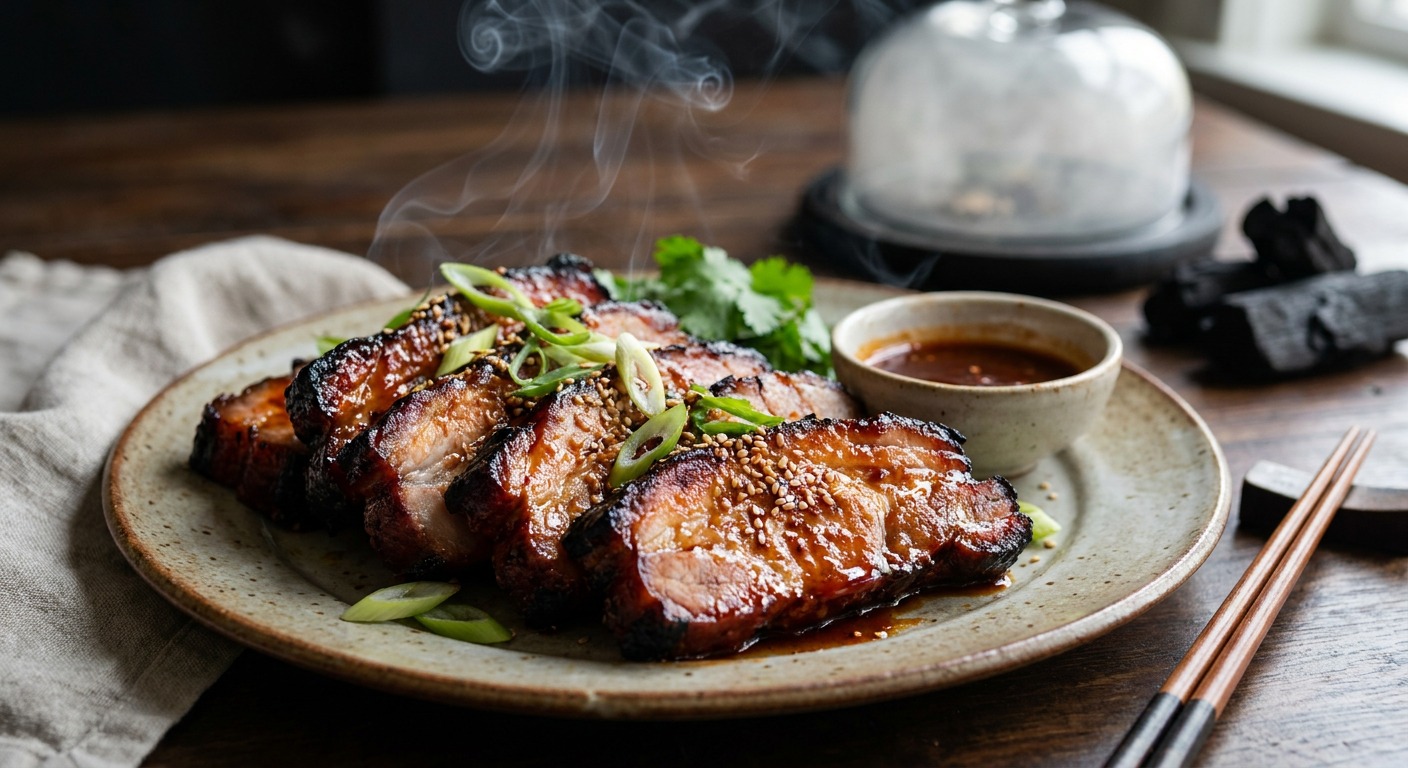
Smoked Char Siu BBQ Pork merges the iconic sweet-savory Cantonese glaze with low-and-slow smoke for an addictive, caramelized finish. This smoker-friendly take gives home cooks the charred edges and glossy lacquer of street-style char siu while keeping the meat juicy and sliceable.
Ingredient Spotlight
Shaoxing wine (or dry sherry)
Shaoxing wine is a traditional Chinese rice wine from the Shaoxing region used primarily for cooking; it adds a savory, slightly sweet, nutty umami depth and a warm aroma. It’s a common ingredient in Chinese marinades, braises, and stir-fries and may be unfamiliar to cooks who haven’t shopped Asian markets. You can find it in Asian grocery stores or online; a dry sherry is the most common western substitute (or mirin/sake in a pinch) though those change sweetness/alcohol notes slightly.
(paid link) — as an Amazon Associate we earn from qualifying purchases.
Ingredient Spotlight
Red fermented bean curd or red food coloring (optional)
Red fermented bean curd (also called red preserved tofu) is fermented soy curd preserved with salt and often red yeast rice, used in Chinese cooking to add intense savory, tangy, and slightly funky umami and to impart the red gloss of dishes like char siu. It has a pronounced salty, cheesy-fermented aroma and is sold in small jars in Asian markets; red food coloring is sometimes used only for the color when flavor isn’t desired. If you can’t find it, you can omit it or mimic both color and a bit of flavor with a small amount of miso or hoisin plus a drop of red food coloring, or use regular fermented tofu if available.
Ingredient Spotlight
Chinese five-spice powder
Chinese five-spice powder is a spice blend (commonly star anise, cloves, cinnamon, Sichuan peppercorn and fennel or fennel seed) from Chinese cuisine that delivers a warm, sweet-licorice, slightly numbing and aromatic profile. It’s used to season meats and marinades and may be unfamiliar to cooks who haven’t made many Chinese dishes at home. You can buy it in supermarkets or Asian markets, or make a simple substitute by grinding equal parts ground star anise, cloves, cinnamon, ground Sichuan pepper (or black pepper if unavailable) and fennel seed.
(paid link) — as an Amazon Associate we earn from qualifying purchases.
Jake Woods's note
"This version balances authentic char siu flavors with smoker technique—perfect for weekend BBQs or when you want a show-stopping sandwich or rice bowl. Expect glossy, slightly sticky edges and a fragrant smoke layer under the classic sweet-spicy glaze."
About This Recipe
Smoked Char Siu BBQ Pork is an embrace of two traditions: the glossy, caramel-rich lacquer of Cantonese char siu and the low-and-slow smoke approach that gives home cooks those coveted charred edges without drying out the lean loin. The hoisin-forward marinade layers in umami and sweetness while Shaoxing and five-spice give that familiar aromatic backbone; smoke from apple or cherry wood adds a bright, fruity counterpoint so the pork never tastes one-dimensional. Finishing with a simmered reserved marinade and honey creates the sticky, burnished surface that makes each slice sing when piled on rice or tucked into a bao.
This version is tuned for cooks who want authentic flavor but also control — a probe thermometer is essential here because the trick is to build smoke flavor at a lower temperature, then quickly lacquer and caramelize to 145°F for juicy slices. It’s great for weekend cooking, backyard gatherings, or any time you want a showpiece protein that slices beautifully and stretches across sandwiches, noodles, and family-style platters. Expect contrasts: tender, slightly pink interior, a glossy bittersweet glaze, and a whisper of smoke on the finish.
Ingredients for Smoked Char Siu BBQ Pork
- 2 lb Boneless pork loin
- 1/2 cup Hoisin sauce
- 1/4 cup Light soy sauce
- 2 tbsp Shaoxing wine (or dry sherry)
- 2 tbsp Brown sugar (packed)
- 3 cloves Minced garlic
- 1 tsp Chinese five-spice powder
- 1 cube or 1/4 tsp Red fermented bean curd or red food coloring (optional)
- 1 tbsp Sesame oil
- 3 tbsp Honey (for glaze)
🛒 = paid link — as an Amazon Associate we earn from qualifying purchases.
How to Make Smoked Char Siu BBQ Pork
Step 1: Make the marinade and marinate the pork
Whisk hoisin sauce, light soy sauce, Shaoxing wine, brown sugar, minced garlic, five-spice, mashed red fermented bean curd (or a few drops of red food coloring), and sesame oil in a bowl. Reserve about 1/3 of the marinade in a separate container for glazing later (keep it refrigerated) and place the pork loin in the remaining marinade, turning to coat. Cover and refrigerate at least 4 hours and up to overnight for best flavor.For this step
- 2 lbBoneless pork loin
- 1/2 cupHoisin sauce
- 1/4 cupLight soy sauce
- 2 tbspShaoxing wine (or dry sherry)
- 2 tbspBrown sugar (packed)
- 3 clovesMinced garlic
- 1 tspChinese five-spice powder
- 1 cube or 1/4 tspRed fermented bean curd or red food coloring (optional)
- 1 tbspSesame oil
Step 2: Prepare the smoker and pork
Preheat your smoker to 225°F (107°C) and choose a mild fruitwood like apple or cherry for a sweet complement. Remove pork from marinade (discard any marinade that stayed with the meat), pat the loin dry and place it on the smoker rack; insert a probe thermometer into the thickest part of the loin. Keep the reserved marinade (raw) sealed in the fridge until ready to make the glaze.Step 3: Smoke low and slow
Smoke the pork at 225°F until the internal temperature reaches about 135°F (57°C), roughly 60–90 minutes depending on thickness. Maintain steady smoke and temperature; this stage builds smoky flavor without overcooking the lean loin. Monitor temperature regularly so you can move to glazing at the right time.Step 4: Make the glaze and baste
While the loin approaches 135°F, combine the reserved marinade and honey in a small saucepan and bring to a rolling simmer for 2–3 minutes to cook the raw marinade and thicken slightly. Reduce heat to low and simmer until viscous but pourable. Brush the glaze over the pork, then continue to baste every 8–12 minutes during the final 15–25 minutes of cooking to build a glossy lacquer.For this step
- 3 tbspHoney (for glaze)
Step 5: Finish, rest, and slice
For a caramelized finish, increase smoker temperature to 375–400°F for the last 8–12 minutes or transfer to a preheated broiler for 2–4 minutes, watching carefully to avoid burning. Remove when internal temp reaches 145°F (63°C) and the glaze is sticky and slightly charred at the edges. Rest the pork 10 minutes, then slice into 1/4–1/2 inch slices and serve with steamed rice, bao, or noodles.


- Whisk hoisin sauce, light soy sauce, Shaoxing wine, brown sugar, minced garlic, five-spice, mashed red fermented bean curd (or a few drops of red food coloring), and sesame oil in a bowl. Reserve about 1/3 of the marinade in a separate container for glazing later (keep it refrigerated) and place the pork loin in the remaining marinade, turning to coat. Cover and refrigerate at least 4 hours and up to overnight for best flavor.
- Preheat your smoker to 225°F (107°C) and choose a mild fruitwood like apple or cherry for a sweet complement. Remove pork from marinade (discard any marinade that stayed with the meat), pat the loin dry and place it on the smoker rack; insert a probe thermometer into the thickest part of the loin. Keep the reserved marinade (raw) sealed in the fridge until ready to make the glaze.
- Smoke the pork at 225°F until the internal temperature reaches about 135°F (57°C), roughly 60–90 minutes depending on thickness. Maintain steady smoke and temperature; this stage builds smoky flavor without overcooking the lean loin. Monitor temperature regularly so you can move to glazing at the right time.
- While the loin approaches 135°F, combine the reserved marinade and honey in a small saucepan and bring to a rolling simmer for 2–3 minutes to cook the raw marinade and thicken slightly. Reduce heat to low and simmer until viscous but pourable. Brush the glaze over the pork, then continue to baste every 8–12 minutes during the final 15–25 minutes of cooking to build a glossy lacquer.
- For a caramelized finish, increase smoker temperature to 375–400°F for the last 8–12 minutes or transfer to a preheated broiler for 2–4 minutes, watching carefully to avoid burning. Remove when internal temp reaches 145°F (63°C) and the glaze is sticky and slightly charred at the edges. Rest the pork 10 minutes, then slice into 1/4–1/2 inch slices and serve with steamed rice, bao, or noodles.
Smoked Char Siu BBQ Pork Tips
Reserve and cook marinade
Always set aside the portion of marinade before it touches raw pork, and simmer it with honey until thick to safely use as a glaze and deepen the flavor.
Use a probe thermometer
Insert the probe into the thickest part of the loin and smoke to about 135°F before glazing; this prevents overcooking during the final high-heat caramelization.
Pat the pork dry
Wiping the pork dry before it hits the smoker helps form a better bark and ensures the glaze adheres evenly rather than sliding off.
Control glaze burn
Brush thin coats of glaze and increase heat only for the final few minutes, watching closely—sugars caramelize quickly and can go from glossy to bitter in seconds.
Rest before slicing
Let the pork rest 10 minutes to redistribute juices; slicing too soon causes excessive drip and a drier edge.
Smoked Char Siu BBQ Pork Variations and Substitutions
Pork shoulder for shredding
Swap pork loin for a 3–4 lb pork shoulder, smoke low to 195–205°F until pullable, then glaze and finish briefly under high heat for chopped char siu style.
Pork belly for richness
Use pork belly and extend smoke time for rendered fat and ultra-glossy glaze; slice thinly for bao or char siu bao filling.
Honey alternatives
Replace honey with equal parts maltose or maple syrup for a different sweetness profile and similarly sticky finish; maltose gives the most authentic chewiness.
Warming spice twist
Add 1 tsp toasted ground Sichuan peppercorns to the marinade for a citrusy, numbing edge that plays well with the sweet glaze.
How to Store and Make Smoked Char Siu BBQ Pork Ahead
Cool leftover sliced char siu to room temperature within two hours, then refrigerate in an airtight container for up to 4 days or freeze for up to 3 months. Reheat gently in a low oven (275°F) wrapped in foil with a splash of water or stock to preserve moisture, then briefly broil to re-glaze and refresh the edges.
What to Serve With Smoked Char Siu BBQ Pork
Serve thin slices on steamed jasmine rice with quick-pickled cucumbers and scallions to cut the richness, or tuck into steamed bao with hoisin mayo and cilantro. For drinks, pair with a light lager or a jasmine tea to balance the sweetness and cleanse the palate.
Smoked Char Siu BBQ Pork FAQs
Why smoke to 135°F before glazing instead of straight to 145°F?
Smoking to around 135°F allows the meat to absorb smoke flavor without overcooking the lean loin; glazing and finishing at higher heat then brings the internal temp to the safe 145°F while producing the lacquered exterior.
Is the reserved marinade safe to use as a glaze?
Yes, but only after simmering it for several minutes with honey as instructed to destroy any bacteria from raw meat contact and to reduce and thicken the glaze.
Can I make this in an oven instead of a smoker?
Yes—roast at 225°F on a rack until about 135°F, then brush with the cooked glaze and finish under a hot broiler to caramelize; add a small pan of smoked water or a smoked salt sprinkle for extra smokiness.
What does red fermented bean curd do, and can I skip it?
Red fermented bean curd adds depth, umami, and that classic reddish hue; if unavailable, a few drops of red food coloring help with color while a small dash of miso can add a similar savory note.
How should I slice char siu for serving?
Slice against the grain into 1/4–1/2 inch pieces for tender bites that hold the glaze well; slightly thicker slices are better if you plan to serve cold or in sandwiches.
About the author
Jake WoodsHello, I'm Jake. I started this recipe site with the idea that I hated recipe websites that overwhelm you with long stories and ads just to see plain content that's not helpful. My goal is to provide you with quality recipes, simple ideas and a fun cooking experience. There's lots of fun things to cook, and I think as you browse the site you'll find that TopShelf.Recipes is the place for quality recipes on the web.
See all recipes by Jake Woods →Ratings & Reviews
Did you make this recipe?
Be the first to share your experience.
Nutrition Facts
Per serving: 1 serving
Nutrition values are estimated from USDA ingredient data and may vary based on preparation, brands, and portion sizes. Values are provided for informational purposes only.
Keep Reading
Guides & articles for this recipe
Guides
Labour Day Smoking Playbook
Seven ready-to-run smoke-first menus with exact start/hold/serve timelines so you can plan an overnight pit and a stress-free Labour Day spread. Includes make-ahead side pairings, cooler-transport tips, fuel and wood picks for late-summer weather, and safety + hold strategies so hosts can relax and enjoy the holiday.
Tips & Techniques
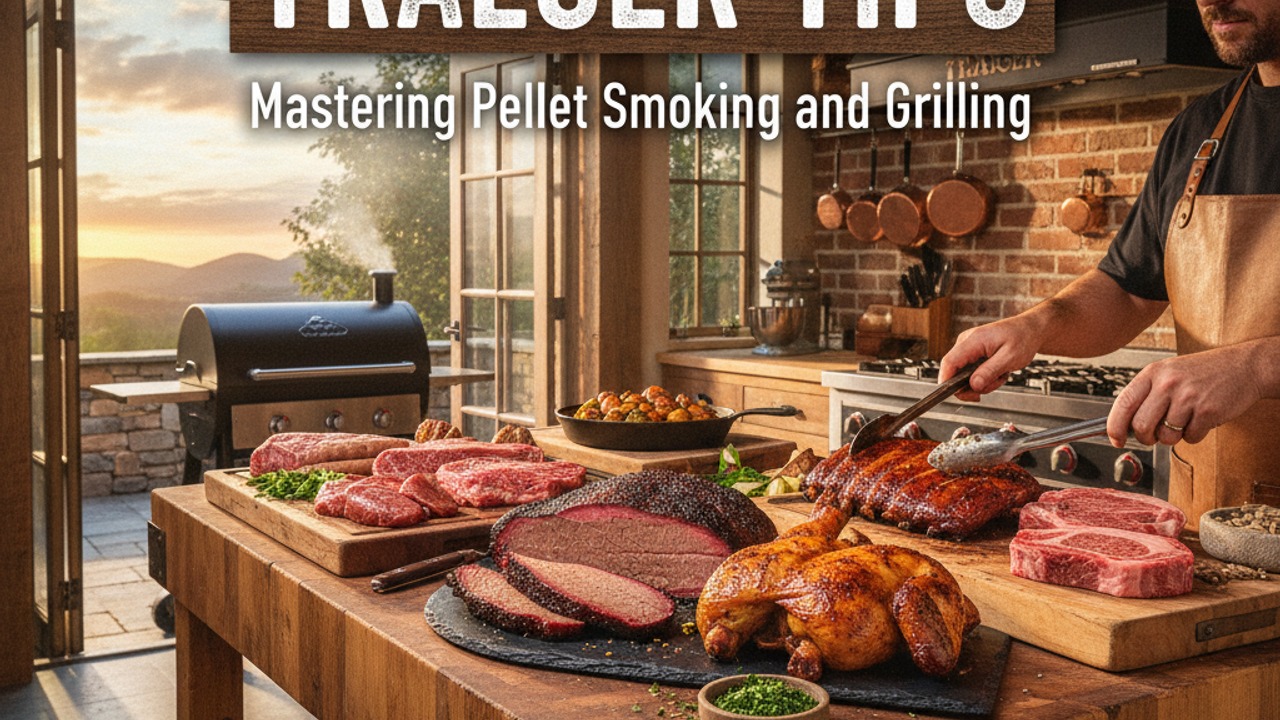
Traeger Tips: Mastering Pellet Smoking and Grilling
Practical, hands-on Traeger tips for better smoke, cleaner maintenance, and consistently great results. Learn pellet selection, temperature control, maintenance routines, and cook-specific advice for spectacular brisket, ribs, poultry and more.

Healthy Eating
Gluten-Free Weeknight Grilling Plan
A 7-day gluten-free weeknight grilling plan with quick, family-friendly recipes, prep-ahead timelines, and a printable shopping list that spotlights late-summer produce and pantry staples. Includes clear cross-contamination safety tips and simple swaps to keep dinners fast and crowd-pleasing.
More from Smoking
View all Smoking recipes →
Smoked Chex Mix

Smoked Coffee-Chile Rubbed Pork Roast for Pellet or Offset Smokers

Smoked Pizza with Smoked Mozzarella

Smoked Pulled Pork Meal Prep

Eggs Benedict Pulled Pork

Smoked BBQ Beef Meatballs with Cherry Chipotle Glaze

Traeger Burnt Ends from Brisket Tips with Molasses Glaze

Campfire‑Smoked Potato Salad with Mustard‑Bacon Vinaigrette — A Labor Day Grilling Side for Steak

Smoked Chocolate Cake
Ask me anything about this recipe — substitutions, scaling, techniques, timing.
Powered by AI · 6 questions per 5 minutes, 30 per day