Socca Chickpea Flatbread
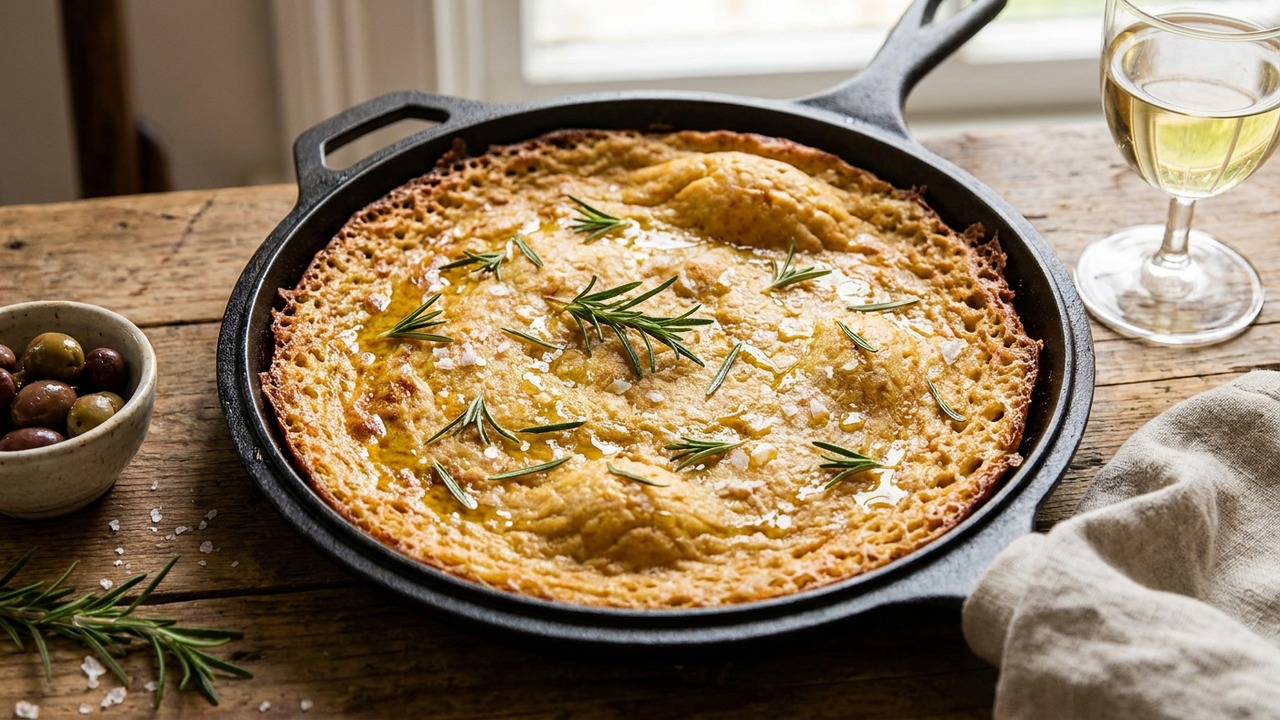
Socca is a thin, crisp chickpea-flour flatbread from the Mediterranean that’s naturally gluten-free and ready in under an hour. This oven-cooked version yields a tender interior and lacy, golden edges — perfect as a warm snack, weeknight pizza base, or for serving alongside salads and mezze.
Ingredient Spotlight
Chickpea (gram/besan) flour
A finely ground flour made from dried chickpeas (also called gram or besan), commonly used across South Asian, Middle Eastern and Mediterranean cuisines for fritters, batters and flatbreads. It has a nutty, slightly sweet, earthy aroma and provides a dense, protein-rich, gluten-free crumb and good binding. Find it in the international/Indian aisle of supermarkets, at Indian or Middle Eastern grocery stores, health-food shops or online; if you can’t source it, all-purpose flour will work as a functional substitute (different flavor and not gluten-free), or for a closer gluten-free swap try rice flour or a blend of rice and chickpea/almond flours depending on the recipe.
Jake Woods's note
"This socca recipe is intentionally simple — just chickpea flour, water and olive oil — so the nuttiness of the flour shines through. It’s fantastic for casual weeknights, outdoor picnics, or whenever you want a quick gluten-free alternative to pizza."
About This Recipe
Socca is the kind of pantry‑forward bread that feels effortless and intentional at the same time: a thin, savory pancake made from chickpea flour that crisps around the edges while staying tender and custardy in the center. This oven version leans on a smoking‑hot cast‑iron pan to set the batter instantly, creating the lacy, browned spots that make each wedge texturally interesting. The beauty here is contrast — nutty chickpea flavor, an herbaceous hit of rosemary, a bright squeeze of lemon, and a scatter of flaky sea salt — all from a handful of accessible ingredients and about forty minutes from start to finish.
This recipe is written for cooks who want a reliable, gluten‑free base to riff on: use it as a quick snack, a weeknight “pizza” canvas, or part of a mezze spread. The small technical moves — resting the batter, not skimping on preheating the pan, and finishing briefly under the broiler — are exactly what lift an ordinary batter into crisp, golden socca. If you’re feeding a crowd, double the batch and bake in two pans; for solo meals, the leftovers reheat beautifully if you know the tricks below.
Ingredients for Socca Chickpea Flatbread
- 1 1/2 cups Chickpea (gram/besan) flour
- 1 1/2 cups Water (room temperature)
- 3 tbsp Extra-virgin olive oil
- 1 tsp Fine salt
- 1/2 tsp Baking powder
- 1/2 tsp Ground cumin (optional) or freshly cracked black pepper
- 1 tbsp Fresh rosemary, chopped
- 1/4 tsp Flaky sea salt (for finishing)
- 1 whole Lemon wedges (to serve)
How to Make Socca Chickpea Flatbread
Step 1: Whisk the batter
In a medium bowl, whisk together the chickpea flour, salt, baking powder and cumin (if using). Gradually whisk in the water until the batter is completely smooth and free of lumps, then stir in 2 tablespoons of the olive oil. The batter should be a loose crepe-like consistency; adjust with a splash more water if it seems too thick.For this step
- 1 1/2 cupsChickpea (gram/besan) flour
- 1 1/2 cupsWater (room temperature)
- 1 tspFine salt
- 1/2 tspBaking powder
- 1/2 tspGround cumin (optional) or freshly cracked black pepper
Step 2: Rest the batter
Cover the bowl and let the batter rest at room temperature for 20–30 minutes (or refrigerate for up to 24 hours). Resting hydrates the flour and improves texture; if chilled, bring the batter back to room temperature for 15–20 minutes before baking.Step 3: Preheat oven and skillet
Place a 10-inch cast-iron skillet (or a heavy ovenproof pan/baking sheet) in the oven and preheat to 500°F (260°C) for at least 15 minutes so the pan is smoking-hot. Carefully remove the pan with oven mitts, add the remaining 1 tablespoon olive oil and swirl to coat the bottom.Step 4: Pour batter and add toppings
Working quickly, pour the batter into the hot, oiled skillet — it should sizzle and spread to a thin, even layer (use a spatula to distribute if needed). Sprinkle the chopped rosemary evenly over the batter and a few grinds of black pepper.For this step
- 1 tbspFresh rosemary, chopped
Step 5: Bake until set and charred
Return the skillet to the oven and bake for 8–10 minutes, until the socca is set and the edges are puffed and golden. For authentic lacy char, switch the oven to broil and broil 1–3 minutes, watching closely so it doesn’t burn; remove when you see brown/blackened spots on the surface.Step 6: Finish and serve
Slide the socca onto a cutting board, sprinkle with flaky sea salt and squeeze a lemon wedge over top. Cut into 4 wedges and serve immediately while warm and crisp.For this step
- 1/4 tspFlaky sea salt (for finishing)
- 1 wholeLemon wedges (to serve)


- In a medium bowl, whisk together the chickpea flour, salt, baking powder and cumin (if using). Gradually whisk in the water until the batter is completely smooth and free of lumps, then stir in 2 tablespoons of the olive oil. The batter should be a loose crepe-like consistency; adjust with a splash more water if it seems too thick.
- Cover the bowl and let the batter rest at room temperature for 20–30 minutes (or refrigerate for up to 24 hours). Resting hydrates the flour and improves texture; if chilled, bring the batter back to room temperature for 15–20 minutes before baking.
- Place a 10-inch cast-iron skillet (or a heavy ovenproof pan/baking sheet) in the oven and preheat to 500°F (260°C) for at least 15 minutes so the pan is smoking-hot. Carefully remove the pan with oven mitts, add the remaining 1 tablespoon olive oil and swirl to coat the bottom.
- Working quickly, pour the batter into the hot, oiled skillet — it should sizzle and spread to a thin, even layer (use a spatula to distribute if needed). Sprinkle the chopped rosemary evenly over the batter and a few grinds of black pepper.
- Return the skillet to the oven and bake for 8–10 minutes, until the socca is set and the edges are puffed and golden. For authentic lacy char, switch the oven to broil and broil 1–3 minutes, watching closely so it doesn’t burn; remove when you see brown/blackened spots on the surface.
- Slide the socca onto a cutting board, sprinkle with flaky sea salt and squeeze a lemon wedge over top. Cut into 4 wedges and serve immediately while warm and crisp.
Socca Chickpea Flatbread Tips
Rest the Batter
Letting the batter sit 20–30 minutes hydrates the chickpea flour and mellows its raw beaniness; if you chill it, bring it back to room temperature before baking for even cooking.
Preheat the Pan
Make sure your cast‑iron or ovenproof pan is thoroughly preheated so the batter sizzles on contact and forms those coveted lacy edges.
Batter Consistency Check
Aim for a loose crepe‑like batter that pours easily; add a tablespoon of water at a time if it looks too thick to spread thinly in the skillet.
Oil Distribution Matters
Swirl a generous tablespoon of olive oil over the very hot pan so the batter fries on contact — it helps create both crisp edges and that toasted flavor.
Broil for Color
Use the broiler only at the end and watch closely; a minute or two will give you authentic charred spots without drying out the interior.
Socca Chickpea Flatbread Variations and Substitutions
Herby & Garlicky
Stir 1 minced garlic clove and 1 tablespoon each of chopped parsley and thyme into the batter for a punchier herb profile that pairs well with roasted vegetables.
Spiced Mediterranean
Swap cumin for 1 teaspoon za'atar and top with thinly sliced red onion and olives to lean into classic Levantine flavors.
Mini Potato Socca (Farinata Style)
Thinly slice a small, waxy potato and arrange the slices in a single layer atop the batter before baking to make a heartier, almost pizza‑like version.
Make It Dairy‑Free ‘Pizza’
Top the baked socca with tomato sauce, roasted peppers, and dollops of dairy‑free ricotta or mashed avocado for a vegan pizza alternative.
How to Store and Make Socca Chickpea Flatbread Ahead
Store cooled socca in an airtight container in the refrigerator for up to 3 days; it will lose some crispness but the flavor holds. Reheat in a hot skillet or in a 400°F (200°C) oven for 5–8 minutes to restore the crisp edges; microwaving will make it soggy. You can freeze cooked wedges flat between sheets of parchment for up to 1 month and reheat directly from frozen in the oven.
What to Serve With Socca Chickpea Flatbread
Serve socca warm, cut into wedges with lemon wedges and flaky salt for simple snacking, or alongside a bright chopped salad, marinated olives, and labneh for a mezze platter. It also makes an excellent base for quick weeknight toppings — think roasted tomatoes, arugula, and shaved pecorino — paired with a crisp white wine or a citrusy IPA.
Socca Chickpea Flatbread FAQs
Can I make socca without a cast‑iron skillet?
Yes — use any heavy, ovenproof pan or a rimmed baking sheet preheated in the oven; you may not get the exact same searing reaction as with cast iron, but it will still crisp nicely if the pan is very hot.
Why does my socca taste bitter or beany?
Bitterness can come from under‑hydrated flour or uncooked batter; resting the batter and preheating the pan properly reduces raw flavors, and a bright squeeze of lemon at the end balances any residual beany notes.
Can I make the batter ahead of time?
Absolutely — the batter can be refrigerated up to 24 hours; bring it back to room temperature before baking and give it a quick whisk because separation can occur.
My socca is set but not browned — what went wrong?
Most likely the pan wasn’t hot enough or the oven temperature was too low; try increasing preheat time and finish briefly under the broiler to achieve browned, lacy spots.
Is this recipe suitable for a gluten‑free diet?
Yes — chickpea flour is naturally gluten‑free, but always check that your flour is certified gluten‑free if you’re cooking for someone with celiac disease to avoid cross‑contamination.
About the author
Jake WoodsHello, I'm Jake. I started this recipe site with the idea that I hated recipe websites that overwhelm you with long stories and ads just to see plain content that's not helpful. My goal is to provide you with quality recipes, simple ideas and a fun cooking experience. There's lots of fun things to cook, and I think as you browse the site you'll find that TopShelf.Recipes is the place for quality recipes on the web.
See all recipes by Jake Woods →Ratings & Reviews
Did you make this recipe?
Be the first to share your experience.
Nutrition Facts
Per serving: 1 flatbread
Nutrition values are estimated from USDA ingredient data and may vary based on preparation, brands, and portion sizes. Values are provided for informational purposes only.
Keep Reading
Guides & articles for this recipe
Tips & Techniques
Baking Soda and Tenderized Beef
Learn how baking soda can tenderize, boost browning, and improve moisture for ground beef and other meats. This practical guide covers the science, step-by-step techniques, common mistakes, and recipes to try.

Healthy Eating
Gluten-Free Weeknight Grilling Plan
A 7-day gluten-free weeknight grilling plan with quick, family-friendly recipes, prep-ahead timelines, and a printable shopping list that spotlights late-summer produce and pantry staples. Includes clear cross-contamination safety tips and simple swaps to keep dinners fast and crowd-pleasing.

Healthy Eating
Low-Fat Grill Swaps for Big Flavor
A practical guide to trimming fat from grilled meals without losing juiciness or char. Learn yogurt- and citrus-based marinades, lean protein picks, searing and indirect-heat tricks, plus 5 quick low-fat marinades and a simple weeknight plan.
More from Baking
View all Baking recipes →
Cloud Bread Sandwiches

Honey Mustard Chicken Nuggets

Cheddar Jalapeño Corn Muffins

Basque Burnt Cheesecake

30-Minute Sticky Baked Honey Garlic Chicken Thighs with Crisp Edges

Lemon Butter Salmon

Spritz Cookies

Brown Butter Vanilla Syrup

Honey Glazed Easter Ham
Ask me anything about this recipe — substitutions, scaling, techniques, timing.
Powered by AI · 6 questions per 5 minutes, 30 per day