Same-Day Sourdough Focaccia
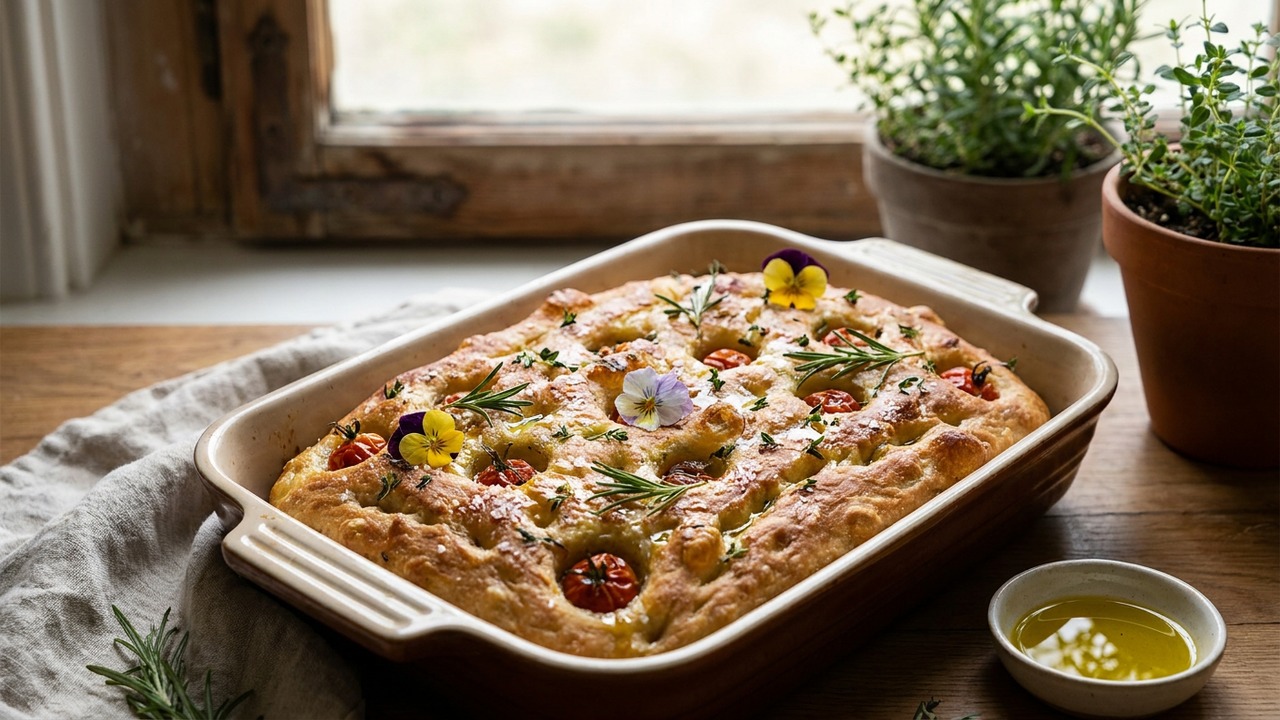
A golden, dimpled focaccia baked the same day using active sourdough starter — no overnight levain required. Crisp on the bottom, pillowy inside, and richly flavored with olive oil, flaky salt and optional rosemary or olives for topping.
About This Recipe
This same-day sourdough focaccia gives you the best of two worlds: the open, tangy crumb of a naturally leavened loaf and the convenience of a same-day bake. Start to finish it’s about three hours on the countertop, not counting cooling, and it rewards you with a blistered, deeply golden top and a bottom that’s crisp from pan-frying in olive oil. The dough is intentionally very slack — that high-hydration batter is why the crumb stays pillowy while the olive oil creates that almost-fried, savory crust; dimpling traps those glossy pools of seasoned oil along with rosemary, olives, or cherry tomatoes so each bite hits with texture and brightness.
What makes this version especially practical is the combination of an active 100% hydration starter and a pinch of instant yeast (optional) to guarantee a same-day rise without losing sourdough complexity. The short autolyse, a few gentle stretch-and-folds, and a warm bulk fermentation build enough gluten to hold big, irregular holes without hours of kneading. It’s ideal for bakers who want fresh focaccia for a weekend lunch, a dinner side, or to turn into sandwiches — and it’s forgiving enough that a slack, sticky dough isn’t a mistake but the point.
Ingredients for Same-Day Sourdough Focaccia
- 4 cups All-purpose flour
- 1 2/3 cups Warm water (about 80-90°F / 27-32°C)
- 1/2 cup Active sourdough starter (100% hydration, fed)
- 1/4 tsp Instant yeast (optional — speeds same-day rise)
- 1/2 cup Extra-virgin olive oil (for dough)
- 2 tsp Sea salt (for dough)
- 1 tsp Sugar or honey (optional, feeds yeast/starter)
- 2 tbsp Olive oil (additional, for pan and finishing)
- 1 tbsp Coarse sea salt (for topping)
- 2 tbsp Fresh rosemary (optional)
- 1 cup Cherry tomatoes or olives (optional topping)
How to Make Same-Day Sourdough Focaccia
Step 1: Mix flour, water, starter and yeast
In a large bowl, combine the flour, warm water, active starter, and optional instant yeast (and sugar if using). Stir until a shaggy, sticky dough forms and no dry flour remains. Cover and let rest (autolyse) 20–30 minutes.For this step
- 4 cupsAll-purpose flour
- 1 2/3 cupsWarm water (about 80-90°F / 27-32°C)
- 1/2 cupActive sourdough starter (100% hydration, fed)
- 1/4 tspInstant yeast (optional — speeds same-day rise)
- 1 tspSugar or honey (optional, feeds yeast/starter)
Step 2: Add oil and salt, then build gluten
Add the olive oil and sea salt to the dough. Mix by folding and squeezing the dough in the bowl for 2–3 minutes until it starts to hold together. The dough will be slack and wet — this is normal for focaccia.For this step
- 1/2 cupExtra-virgin olive oil (for dough)
- 2 tspSea salt (for dough)
Step 3: Bulk fermentation with stretch-and-folds
Cover the bowl and let the dough ferment at a warm room temperature (about 75–78°F / 24–26°C) for 90–120 minutes. Perform 3 sets of gentle stretch-and-folds at 30-minute intervals: reach under the dough, stretch one side up and fold over, rotate the bowl and repeat 4–6 times per set. After the last fold let rest until slightly puffed.Step 4: Prepare the pan and transfer
Generously oil a 9x13-inch (or similar) rimmed baking sheet with the additional olive oil. Transfer the dough into the pan, using oiled hands to gently coax it—do not degas. Spread the dough toward the corners; it may resist but will relax with time.For this step
- 2 tbspOlive oil (additional, for pan and finishing)
Step 5: Final rise
Cover the pan loosely with plastic or a damp towel and allow the dough to rise for 30–45 minutes, or until noticeably puffy. If the dough resists stretching to the edges, give it another 10–15 minutes.Step 6: Dimple, top and preheat oven
Preheat the oven to 450°F (230°C). Use your fingertips to press deep, even dimples into the dough. Drizzle additional olive oil over the surface, scatter fresh rosemary, cherry tomatoes or olives if using, and sprinkle coarse sea salt and a little extra fine salt to taste.For this step
- 1 tbspCoarse sea salt (for topping)
- 2 tbspFresh rosemary (optional)
- 1 cupCherry tomatoes or olives (optional topping)
Step 7: Bake
Bake until deeply golden and crisp on the bottom, about 20–25 minutes (check at 18 minutes depending on oven). The internal crumb should be set and the top richly colored.Step 8: Cool and serve
Remove from oven and cool in the pan for 5–10 minutes, then transfer to a rack. Cut into 12 pieces and serve warm or at room temperature; leftovers keep well wrapped for 2 days or freeze slices.


- In a large bowl, combine the flour, warm water, active starter, and optional instant yeast (and sugar if using). Stir until a shaggy, sticky dough forms and no dry flour remains. Cover and let rest (autolyse) 20–30 minutes.
- Add the olive oil and sea salt to the dough. Mix by folding and squeezing the dough in the bowl for 2–3 minutes until it starts to hold together. The dough will be slack and wet — this is normal for focaccia.
- Cover the bowl and let the dough ferment at a warm room temperature (about 75–78°F / 24–26°C) for 90–120 minutes. Perform 3 sets of gentle stretch-and-folds at 30-minute intervals: reach under the dough, stretch one side up and fold over, rotate the bowl and repeat 4–6 times per set. After the last fold let rest until slightly puffed.
- Generously oil a 9x13-inch (or similar) rimmed baking sheet with the additional olive oil. Transfer the dough into the pan, using oiled hands to gently coax it—do not degas. Spread the dough toward the corners; it may resist but will relax with time.
- Cover the pan loosely with plastic or a damp towel and allow the dough to rise for 30–45 minutes, or until noticeably puffy. If the dough resists stretching to the edges, give it another 10–15 minutes.
- Preheat the oven to 450°F (230°C). Use your fingertips to press deep, even dimples into the dough. Drizzle additional olive oil over the surface, scatter fresh rosemary, cherry tomatoes or olives if using, and sprinkle coarse sea salt and a little extra fine salt to taste.
- Bake until deeply golden and crisp on the bottom, about 20–25 minutes (check at 18 minutes depending on oven). The internal crumb should be set and the top richly colored.
- Remove from oven and cool in the pan for 5–10 minutes, then transfer to a rack. Cut into 12 pieces and serve warm or at room temperature; leftovers keep well wrapped for 2 days or freeze slices.
Same-Day Sourdough Focaccia Tips
Embrace the Slack
This dough will be very wet; resist the urge to add lots of flour — oil your hands and the bowl instead so you can work and shape without deflating the gas pockets.
Three Fold Rule
Do three sets of stretch-and-folds at 30-minute intervals to build structure; they matter more than aggressive kneading for this hydration and will help the dough trap bubbles.
Dimple Deeply
Press dimples all the way down to the pan to create oil reservoirs and prevent huge oven blisters; use well-oiled fingertips so the dough slides instead of tearing.
Crisp Bottom Trick
Bake on the lower rack and, if you have one, preheat a baking steel or heavy sheet on the rack to help the bottom caramelize and crisp quickly.
Use Active Starter
Make sure your sourdough starter is bubbly and recently fed; a dormant starter won’t provide the flavor lift and may lengthen fermentation unpredictably.
Same-Day Sourdough Focaccia Variations and Substitutions
Yeast-Free Sourdough
Omit the instant yeast and extend the bulk fermentation to 3–4 hours in a warm spot or retard in the fridge after shaping for 8–12 hours for deeper sour notes and a slower same-day timeline.
Whole-Wheat Blend
Swap up to 25% of the all-purpose flour for whole-wheat for a nuttier flavor and heartier crumb; increase water by 1–2 tablespoons as whole wheat absorbs more moisture.
Caramelized Onion and Thyme
Top the dough with thinly sliced caramelized onions and thyme before baking for a sweet-savory variation; press them into the dimples so they don’t burn on top.
Cheesy Finish
Sprinkle grated Parmesan or pecorino over the surface in the last five minutes of baking for a salty, crispy crust that complements the olive oil base.
How to Store and Make Same-Day Sourdough Focaccia Ahead
Cool the focaccia completely before storing to avoid sogginess. Keep at room temperature in an airtight container or tightly wrapped for up to 48 hours, or freeze individual slices wrapped in plastic and foil for up to 2 months. Reheat from frozen in a 350°F oven for 10–12 minutes, or refresh slices in a hot skillet for a crisp bottom and warm interior.
What to Serve With Same-Day Sourdough Focaccia
Serve warm with a shallow bowl of high-quality extra-virgin olive oil and a splash of balsamic for dipping, or alongside a bright salad such as arugula with shaved fennel. It also makes excellent sandwiches—slice horizontally, toast, and add roasted vegetables or thinly sliced prosciutto—and pairs well with a light red wine like Barbera or a crisp, herbal white such as Vermentino.
Same-Day Sourdough Focaccia FAQs
Can I skip the instant yeast entirely?
Yes; the recipe will still work using only your active starter, but expect longer bulk and final rises — plan for at least 3–4 hours of warm fermentation or use a cold retard overnight after shaping.
My dough is too sticky to handle, what should I do?
Sticky is normal for this high-hydration focaccia. Oil your hands and the bowl liberally and use an oiled bench scraper to move the dough; only add a tablespoon or two of flour if it is impossibly loose.
How do I know when it's properly risen for the oven?
The dough should look noticeably puffy with visible bubbles under the surface and offer gentle resistance when pressed — not fully collapsed but aerated enough that dimpling creates clear oil pools.
How can I get a crisp bottom without burning the top?
Bake on the lower rack and consider preheating a heavy sheet or baking steel on that rack; if the top browns too quickly, tent loosely with foil for the last 5–8 minutes while the bottom finishes.
Can I shape and bake in a different pan?
Yes — a well-oiled cast-iron skillet or a larger rimmed sheet works fine; thinner pans will crisp faster, so adjust baking time and watch for deep golden color.
What internal temperature indicates doneness?
Aim for an internal temperature near 200–205°F (93–96°C) for a fully set crumb, though visual cues (deep color and a crisp bottom) are reliable for this type of flat, oil-rich bread.
About the author
Jake WoodsHello, I'm Jake. I started this recipe site with the idea that I hated recipe websites that overwhelm you with long stories and ads just to see plain content that's not helpful. My goal is to provide you with quality recipes, simple ideas and a fun cooking experience. There's lots of fun things to cook, and I think as you browse the site you'll find that TopShelf.Recipes is the place for quality recipes on the web.
See all recipes by Jake Woods →Ratings & Reviews
Did you make this recipe?
Nutrition Facts
Per serving: 1 serving
Nutrition values are estimated from USDA ingredient data and may vary based on preparation, brands, and portion sizes. Values are provided for informational purposes only.
Keep Reading
Guides & articles for this recipe
Tips & Techniques
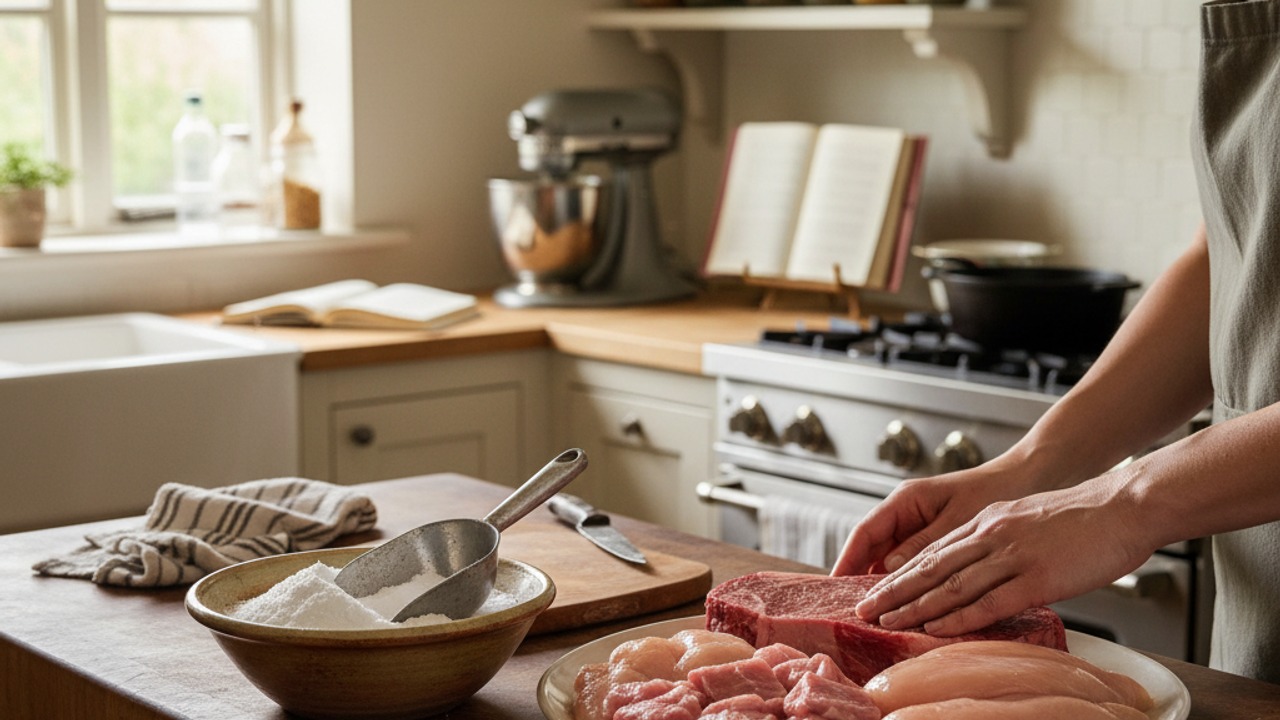
Baking Soda and Tenderized Beef
Learn how baking soda can tenderize, boost browning, and improve moisture for ground beef and other meats. This practical guide covers the science, step-by-step techniques, common mistakes, and recipes to try.

Healthy Eating
Gluten-Free Weeknight Grilling Plan
A 7-day gluten-free weeknight grilling plan with quick, family-friendly recipes, prep-ahead timelines, and a printable shopping list that spotlights late-summer produce and pantry staples. Includes clear cross-contamination safety tips and simple swaps to keep dinners fast and crowd-pleasing.

Healthy Eating
Low-Fat Grill Swaps for Big Flavor
A practical guide to trimming fat from grilled meals without losing juiciness or char. Learn yogurt- and citrus-based marinades, lean protein picks, searing and indirect-heat tricks, plus 5 quick low-fat marinades and a simple weeknight plan.
More from Baking
View all Baking recipes →
Cloud Bread Sandwiches

Honey Mustard Chicken Nuggets

Cheddar Jalapeño Corn Muffins

Basque Burnt Cheesecake

30-Minute Sticky Baked Honey Garlic Chicken Thighs with Crisp Edges

Lemon Butter Salmon

Spritz Cookies

Brown Butter Vanilla Syrup

Honey Glazed Easter Ham
Ask me anything about this recipe — substitutions, scaling, techniques, timing.
Powered by AI · 6 questions per 5 minutes, 30 per day