Best Moist Lemon Loaf
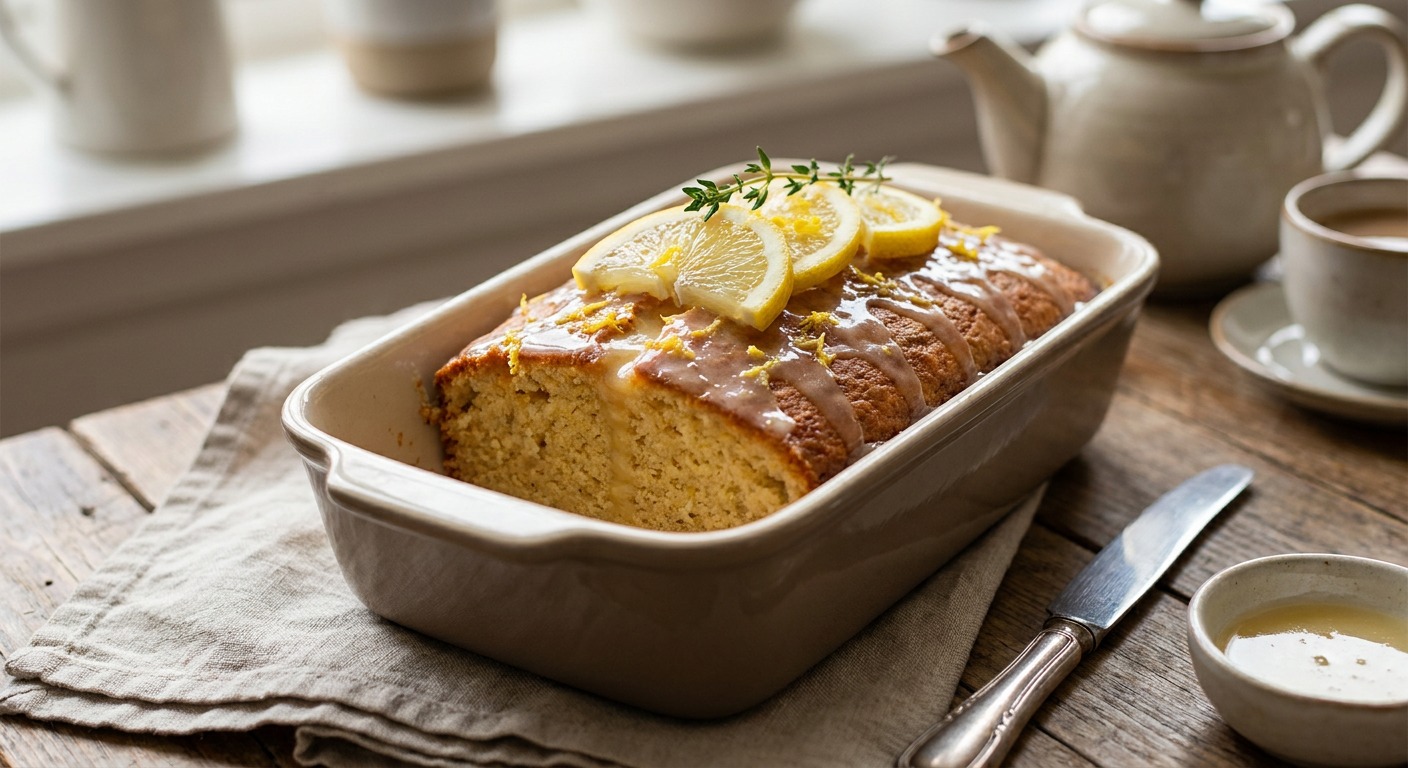
A tender, ultra-moist lemon loaf with a bright lemon glaze — perfect for breakfast, tea, or a light dessert. This version balances butter and oil with sour cream for cushiony crumb and maximum lemon flavor.
Jake Woods's note
"This loaf stays wonderfully moist thanks to the butter-plus-oil approach and a bit of sour cream. It shines at brunch, as a make-ahead treat, or whenever you want bright lemon flavor in a gently textured cake."
About This Recipe
This lemon loaf lives where ease meets brightness: tender, fine-crumbed, and unmistakably lemony without feeling cloying. The secret to its pillowy texture is the trio of fats—butter for flavor, neutral oil for softness, and sour cream for moisture and a slight tang that keeps the crumb from drying out. The batter is forgiving, carrying a glossy top and a glaze that soaks into the warm bread to give each slice a citrusy shine and a gentle crunch where the glaze sets.
It’s a loaf for many occasions — a simple coffee hour centerpiece, an easy dessert after a weeknight meal, or a portable bake for potlucks and picnics. Little adjustments in zest, juice, or the glaze thickness change the intensity of lemon, so you can tune it to your taste. Follow the tips below to prevent overmixing and to get the glaze to penetrate rather than sit on top, and you’ll have consistent results whether you bake for guests or keep the whole loaf for yourself.
Ingredients for Best Moist Lemon Loaf
- 2 cups All-purpose flour
- 1 1/2 teaspoons Baking powder
- 1/2 teaspoon Fine sea salt
- 1/2 cup Unsalted butter, softened
- 1 cup Granulated sugar
- 3 large Large eggs
- 1/2 cup Sour cream (or plain Greek yogurt)
- 1/4 cup Neutral oil (canola or vegetable)
- 2 large Fresh lemons (zest + juice, about 2 large lemons total)
- 1 cup Powdered (confectioners') sugar
How to Make Best Moist Lemon Loaf
Step 1: Preheat and mix dry ingredients
Preheat the oven to 350°F (175°C). Grease and line a 9x5-inch loaf pan with parchment leaving an overhang for easy removal. In a medium bowl whisk together the flour, baking powder, and salt until evenly combined and set aside.For this step
- 2 cupsAll-purpose flour
- 1 1/2 teaspoonsBaking powder
- 1/2 teaspoonFine sea salt
Step 2: Cream butter and sugar, add eggs
In a large bowl, beat the softened butter and granulated sugar until light and pale, about 2–3 minutes. Add the eggs one at a time, mixing well after each addition and scraping the bowl so the batter stays even.For this step
- 1/2 cupUnsalted butter, softened
- 1 cupGranulated sugar
- 3 largeLarge eggs
Step 3: Combine wet ingredients and lemon
Stir the sour cream, oil, lemon zest (reserve about 1 teaspoon of zest for finishing if you like) and the juice of one lemon into the butter-egg mixture until smooth. Add the dry ingredients in two additions, folding gently and mixing just until no streaks of flour remain — do not overmix.For this step
- 1/2 cupSour cream (or plain Greek yogurt)
- 1/4 cupNeutral oil (canola or vegetable)
- 2 largeFresh lemons (zest + juice, about 2 large lemons total)
Step 4: Bake the loaf
Pour the batter into the prepared pan, smoothing the top. Bake at 350°F (175°C) for 45–55 minutes, or until the top is golden and a toothpick inserted near the center comes out with just a few moist crumbs. If the top browns too quickly, tent with foil for the last 10–15 minutes of baking.Step 5: Make and apply the lemon glaze
While the loaf bakes or when it comes out hot, whisk the powdered sugar with the remaining lemon juice until a pourable glaze forms; add juice sparingly to reach desired thickness. Poke a few holes in the warm loaf with a skewer and brush or pour half the glaze over the warm loaf so it soaks in; reserve the rest to finish after cooling slightly for a bright glossy top.For this step
- 1 cupPowdered (confectioners') sugar
Step 6: Cool, slice, and store
Let the loaf cool in the pan 10–15 minutes, then lift out using the parchment and cool on a wire rack until the glaze sets and it is mostly cool before slicing. Store tightly wrapped at room temperature up to 3 days (or refrigerated up to 5 days); to revive slightly dried slices, warm briefly and brush with a little simple syrup or extra lemon juice.


- Preheat the oven to 350°F (175°C). Grease and line a 9x5-inch loaf pan with parchment leaving an overhang for easy removal. In a medium bowl whisk together the flour, baking powder, and salt until evenly combined and set aside.
- In a large bowl, beat the softened butter and granulated sugar until light and pale, about 2–3 minutes. Add the eggs one at a time, mixing well after each addition and scraping the bowl so the batter stays even.
- Stir the sour cream, oil, lemon zest (reserve about 1 teaspoon of zest for finishing if you like) and the juice of one lemon into the butter-egg mixture until smooth. Add the dry ingredients in two additions, folding gently and mixing just until no streaks of flour remain — do not overmix.
- Pour the batter into the prepared pan, smoothing the top. Bake at 350°F (175°C) for 45–55 minutes, or until the top is golden and a toothpick inserted near the center comes out with just a few moist crumbs. If the top browns too quickly, tent with foil for the last 10–15 minutes of baking.
- While the loaf bakes or when it comes out hot, whisk the powdered sugar with the remaining lemon juice until a pourable glaze forms; add juice sparingly to reach desired thickness. Poke a few holes in the warm loaf with a skewer and brush or pour half the glaze over the warm loaf so it soaks in; reserve the rest to finish after cooling slightly for a bright glossy top.
- Let the loaf cool in the pan 10–15 minutes, then lift out using the parchment and cool on a wire rack until the glaze sets and it is mostly cool before slicing. Store tightly wrapped at room temperature up to 3 days (or refrigerated up to 5 days); to revive slightly dried slices, warm briefly and brush with a little simple syrup or extra lemon juice.
Best Moist Lemon Loaf Tips
Room-temperature eggs
Bring eggs and butter to room temperature before mixing so they emulsify smoothly, which gives a lighter, more stable batter.
Measure flour properly
Spoon flour into the cup and level it off rather than scooping, to avoid an overly dense loaf from packed flour.
Fold, don’t beat
Add dry ingredients in two additions and fold gently until just combined to preserve air and prevent a tough crumb.
Zest before juicing
Grate lemon zest before cutting the lemons; cold juice won’t extract oils, and zesting first ensures maximum aromatic oils in the batter.
Glaze while warm
Pour half the glaze over the warm loaf and poke holes with a skewer so the syrupy glaze soaks into the crumb for extra moisture.
Best Moist Lemon Loaf Variations and Substitutions
Blueberry-Lemon Loaf
Gently fold 3/4 cup fresh or frozen (not thawed) blueberries into the batter for a classic combo; toss berries in a tablespoon of flour first to prevent sinking.
Poppy Seed Twist
Add 1½ tablespoons of poppy seeds to the batter and finish with a thinner glaze to highlight the nutty crunch and bright lemon flavor.
Olive Oil & Almond
Swap neutral oil for extra-virgin olive oil and add 1/4 teaspoon almond extract for a Mediterranean profile that pairs beautifully with lemon.
Gluten-free Swap
Replace all-purpose flour with a 1:1 gluten-free blend containing xanthan gum and check doneness earlier, as GF cakes can bake faster.
How to Store and Make Best Moist Lemon Loaf Ahead
Store the cooled, glazed loaf wrapped tightly in plastic wrap or in an airtight container at room temperature for up to 3 days, or refrigerate up to 5 days. For longer storage, freeze whole or sliced loaf in a double layer of plastic wrap plus foil for up to 3 months; thaw overnight in the fridge or at room temperature. To refresh slightly dry slices, warm briefly in the microwave (8–12 seconds) and brush with a little extra lemon syrup or glaze.
What to Serve With Best Moist Lemon Loaf
Serve slices slightly warm or at room temperature with a smear of lightly sweetened mascarpone or ricotta for breakfast, or alongside herbal tea such as chamomile or a bright Earl Grey. For brunch, pair with fresh berries and a dollop of crème fraîche; for dessert, plate with a scoop of vanilla ice cream and a few mint leaves to cut the citrus richness.
Best Moist Lemon Loaf FAQs
Can I use bottled lemon juice?
You can, but fresh lemon juice gives brighter aroma and fresh oil from the zest is key to the loaf's flavor; if using bottled juice, increase zest slightly to compensate.
Why both butter and oil?
Butter provides flavor and structure while oil keeps the crumb incredibly moist; together with sour cream they create a tender, resilient texture that stays soft for days.
My loaf cracked heavily on top — is that a problem?
A modest crack is normal and happens as the center rises; very large or split tops can result from oven temperature that's too high, so check your oven temperature with an oven thermometer and tent with foil if browning too fast.
How can I prevent the center from sinking?
Avoid overmixing after adding flour, make sure leavening is fresh, and don't open the oven door during the first 30–35 minutes of baking to prevent dramatic temperature drops.
Can I make this ahead for a gathering?
Yes — bake and glaze the loaf a day ahead, wrap it well, and bring to room temperature before serving; if you prefer a freshly glossy finish, reserve some glaze to pour right before guests arrive.
About the author
Jake WoodsHello, I'm Jake. I started this recipe site with the idea that I hated recipe websites that overwhelm you with long stories and ads just to see plain content that's not helpful. My goal is to provide you with quality recipes, simple ideas and a fun cooking experience. There's lots of fun things to cook, and I think as you browse the site you'll find that TopShelf.Recipes is the place for quality recipes on the web.
See all recipes by Jake Woods →Ratings & Reviews
Did you make this recipe?
Be the first to share your experience.
Nutrition Facts
Per serving: 1 serving
Nutrition values are estimated from USDA ingredient data and may vary based on preparation, brands, and portion sizes. Values are provided for informational purposes only.
Keep Reading
Guides & articles for this recipe
Tips & Techniques
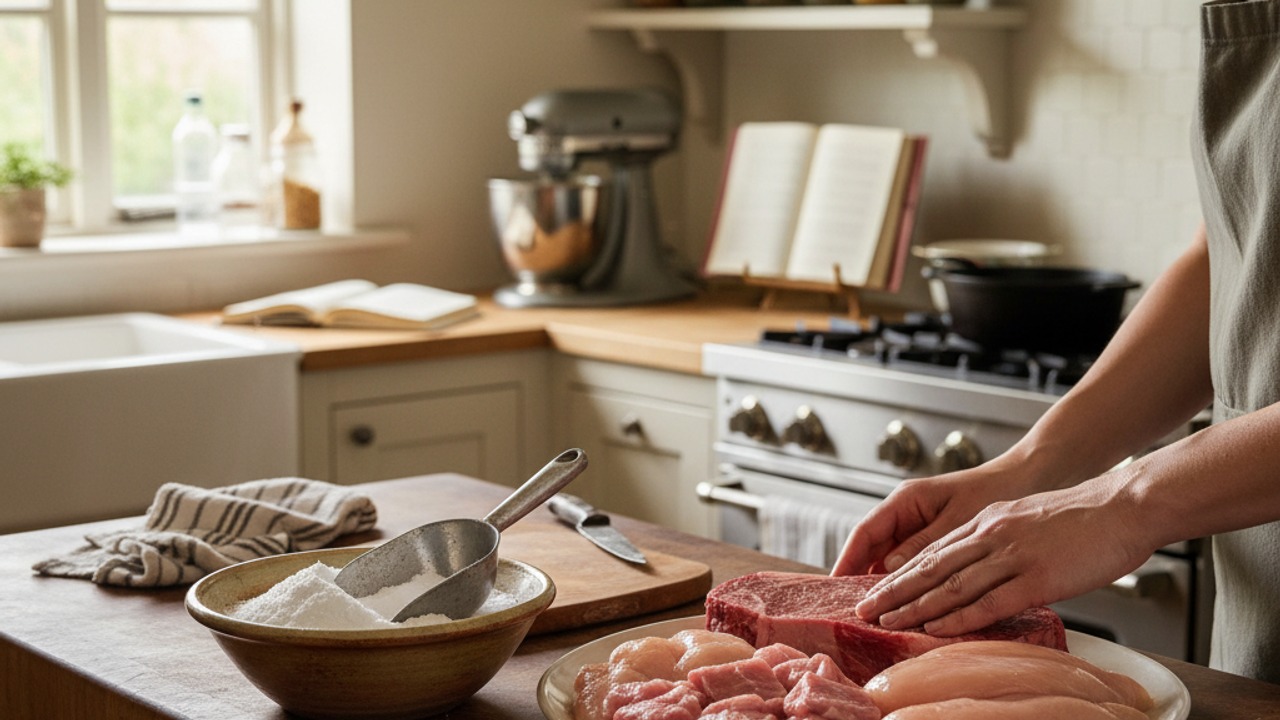
Baking Soda and Tenderized Beef
Learn how baking soda can tenderize, boost browning, and improve moisture for ground beef and other meats. This practical guide covers the science, step-by-step techniques, common mistakes, and recipes to try.

Healthy Eating
Gluten-Free Weeknight Grilling Plan
A 7-day gluten-free weeknight grilling plan with quick, family-friendly recipes, prep-ahead timelines, and a printable shopping list that spotlights late-summer produce and pantry staples. Includes clear cross-contamination safety tips and simple swaps to keep dinners fast and crowd-pleasing.

Healthy Eating
Low-Fat Grill Swaps for Big Flavor
A practical guide to trimming fat from grilled meals without losing juiciness or char. Learn yogurt- and citrus-based marinades, lean protein picks, searing and indirect-heat tricks, plus 5 quick low-fat marinades and a simple weeknight plan.
More from Baking
View all Baking recipes →
Cloud Bread Sandwiches

Honey Mustard Chicken Nuggets

Cheddar Jalapeño Corn Muffins

Basque Burnt Cheesecake

30-Minute Sticky Baked Honey Garlic Chicken Thighs with Crisp Edges

Lemon Butter Salmon

Spritz Cookies

Brown Butter Vanilla Syrup

Honey Glazed Easter Ham
Ask me anything about this recipe — substitutions, scaling, techniques, timing.
Powered by AI · 6 questions per 5 minutes, 30 per day