Gluten-Free Fish and Chips
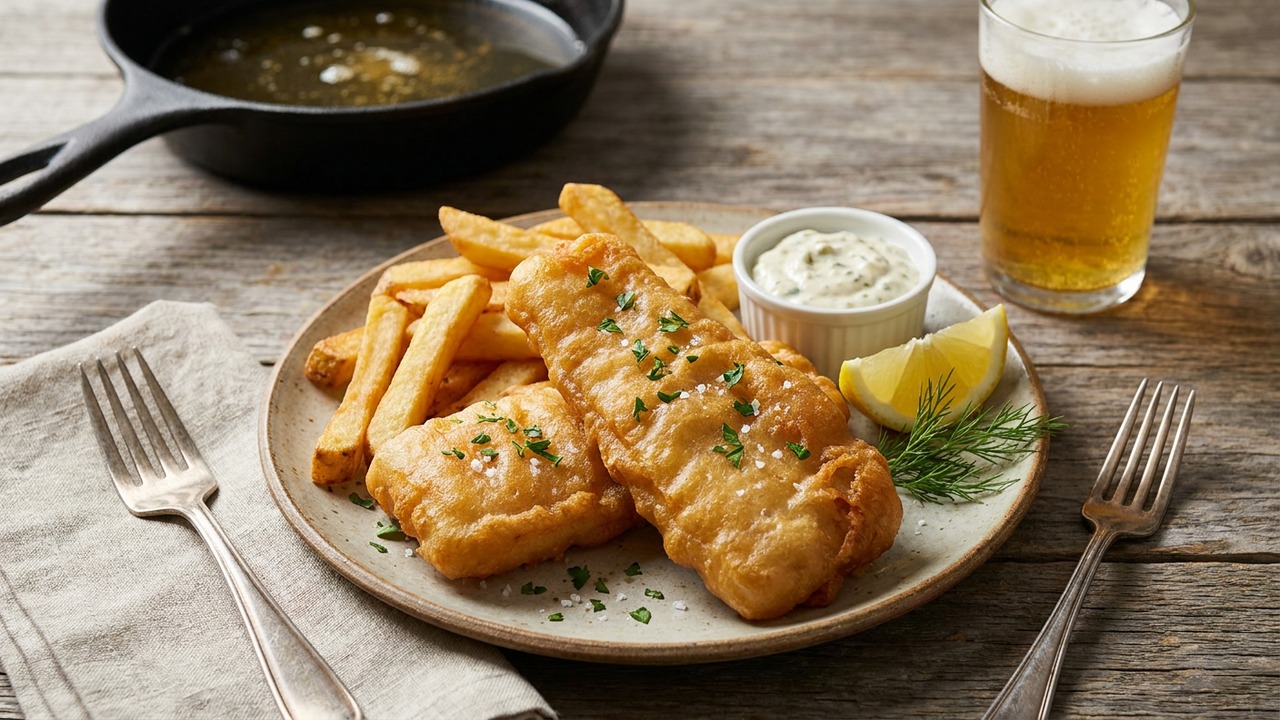
A crisp, beer-battered style gluten-free fish and chips using rice flour and cornstarch to recreate the classic crunchy exterior. Stovetop-friendly with tips for double-frying and a cold gluten-free beer (or sparkling water) in the batter for lightness and maximum crisp.
Ingredient Spotlight
White rice flour
Finely milled flour made from white rice, commonly used in East and Southeast Asian cooking and in gluten-free baking. It has a neutral, slightly sweet/starchy flavor and a very fine texture that helps make batters and coatings crisp without gluten. Find it at Asian markets, the gluten-free aisle of supermarkets, or online; good substitutes are tapioca or potato starch for crisping, or all-purpose flour if you don’t need a gluten-free option.
Ingredient Spotlight
Gluten-free beer (cold) or cold sparkling water
Beer brewed from gluten-free grains such as sorghum, millet, rice, or buckwheat (or produced with processes that remove gluten), created for people with celiac disease or gluten sensitivity; sparkling water is offered in the recipe as a non-alcoholic alternative. Gluten-free beers vary in flavor—some mimic conventional lagers closely while others (especially sorghum-based) can taste slightly sweet or grainy. You can buy them at many supermarkets, natural-food stores, or online; if you don’t need it to be gluten-free, a regular cold lager or pilsner will work as a substitute, and plain cold sparkling water or club soda is the alcohol-free swap.
Jake Woods's note
"This recipe gives gluten-free cooks the familiar crispness of classic fish and chips by combining rice flour, cornstarch and a cold GF beer. It’s great for casual weekend dinners or a relaxed dinner party when you want a nostalgic crowd-pleaser."
About This Recipe
This gluten-free take on fish and chips leans hard on texture: rice flour and cornstarch create a thin, shattering crust that behaves like a traditional beer batter, and the cold beer (or sparkling water) keeps the coating airy rather than gummy. The recipe balances technique—parboiling and drying the fries, a gentle first fry, and a quick second fry—with accessible stovetop equipment so you can get restaurant-worthy crunch without a deep commercial fryer. The fish stays flaky and tender because the batter seals moisture quickly, while the double-fried Russets deliver that satisfying contrast between a soft interior and a crisp exterior.
It’s built for anyone feeding gluten-free guests or just craving a faithful version of the classic: families, casual dinner parties, and weeknight cooks who want big texture for relatively little fuss. Small details—dusting fillets before battering, keeping the batter cold, and frying in small batches—are where this recipe earns its keep, so plan your mise en place and serve the plates immediately for maximum crunch and contrast to bright accents like lemon and malt vinegar.
Ingredients for Gluten-Free Fish and Chips
- 2 large Russet potatoes (for chips), peeled and cut into 1/2–3/4" thick fries
- 1 1/2 tsp Kosher salt
- 1 1/2 cups White rice flour
- 1/2 cup Cornstarch
- 1 tsp Baking powder
- 1 cup Gluten-free beer (cold) or cold sparkling water
- 2 cups Vegetable oil (neutral oil) for frying
- 1 1/2 lb White fish fillets (cod, haddock or similar), boneless, skinless, about 4–6 oz each
- 1/2 tsp Freshly ground black pepper
How to Make Gluten-Free Fish and Chips
Step 1: Prep and parboil the chips
Cut the peeled potatoes into 1/2–3/4" thick fries, rinse under cold water until the water runs clear to remove surface starch, then place in a pot and cover with cold water. Add 1 tsp of the kosher salt and bring to a gentle simmer; cook 5–7 minutes until just tender but still holding shape. Drain thoroughly and let steam-dry in the colander for a few minutes, or place on a tray to cool — removing surface moisture is key for crispness. While potatoes cool, you can pat fish dry and refrigerate for battering later.For this step
- 2 largeRusset potatoes (for chips), peeled and cut into 1/2–3/4" thick fries
Step 2: Make the cold, gluten-free batter
Whisk together the rice flour, cornstarch and baking powder in a bowl until evenly combined. Slowly whisk in the cold gluten-free beer (or sparkling water) until you have a thick, slightly lumpy batter that will coat a spoon; do not overmix. Let the batter rest in the fridge for 10 minutes — the cold liquid and cornstarch make a light, crisp crust. If it becomes too thick after resting, stir in a tablespoon of cold water or beer to loosen slightly.For this step
- 1 1/2 cupsWhite rice flour
- 1/2 cupCornstarch
- 1 tspBaking powder
- 1 cupGluten-free beer (cold) or cold sparkling water
Step 3: Heat oil and fry chips (first fry)
Pour the oil into a heavy, deep skillet or deep pot to a depth of about 1–1.5 inches and heat over medium-high until it reaches approximately 325–350°F (160–180°C). Fry the potatoes in small batches for 4–6 minutes until they are cooked through but not deeply colored; remove with a slotted spoon and drain on a rack or paper-lined tray. Keep batches warm in a low oven (200°F/95°C) while you finish frying the rest. Maintaining steady oil temperature prevents sogginess and prepares them for the final crisping step.For this step
- 2 cupsVegetable oil (neutral oil) for frying
Step 4: Batter and fry the fish
Season the fish fillets lightly with the remaining kosher salt and freshly ground black pepper, then pat dry. Dust each fillet very lightly with a bit of rice flour or cornstarch (this helps the batter adhere), then dip into the chilled batter, letting excess drip off. Fry the battered fillets in the hot oil (increase temperature to 350–375°F / 180–190°C if needed) for about 3–5 minutes per side, turning once, until a deep golden brown and the fish flakes at the thickest part. Transfer to a rack to drain and rest briefly — don’t stack the fish or it will steam and lose crispness.For this step
- 1 1/2 lbWhite fish fillets (cod, haddock or similar), boneless, skinless, about 4–6 oz each
- 1/2 tspFreshly ground black pepper
Step 5: Double-fry chips for extra crisp
Return the par-fried chips to the hotter oil in small batches and fry 1–2 minutes until deeply golden and crisp, then drain on a rack and season immediately with a pinch of salt. Double-frying removes excess moisture and gives the signature crunch without burning. If you prefer a single fry, give them a little longer in the first fry and drain well, but the double-fry yields the best texture.Step 6: Finish and serve
Plate the hot fish and chips while crisp and serve immediately with lemon wedges, malt vinegar or your favorite tartar sauce on the side. For best results, serve in single layers (not stacked) so steam doesn't soften the crust — enjoy while piping hot for maximum contrast between tender fish and crunchy batter.


- Cut the peeled potatoes into 1/2–3/4" thick fries, rinse under cold water until the water runs clear to remove surface starch, then place in a pot and cover with cold water. Add 1 tsp of the kosher salt and bring to a gentle simmer; cook 5–7 minutes until just tender but still holding shape. Drain thoroughly and let steam-dry in the colander for a few minutes, or place on a tray to cool — removing surface moisture is key for crispness. While potatoes cool, you can pat fish dry and refrigerate for battering later.
- Whisk together the rice flour, cornstarch and baking powder in a bowl until evenly combined. Slowly whisk in the cold gluten-free beer (or sparkling water) until you have a thick, slightly lumpy batter that will coat a spoon; do not overmix. Let the batter rest in the fridge for 10 minutes — the cold liquid and cornstarch make a light, crisp crust. If it becomes too thick after resting, stir in a tablespoon of cold water or beer to loosen slightly.
- Pour the oil into a heavy, deep skillet or deep pot to a depth of about 1–1.5 inches and heat over medium-high until it reaches approximately 325–350°F (160–180°C). Fry the potatoes in small batches for 4–6 minutes until they are cooked through but not deeply colored; remove with a slotted spoon and drain on a rack or paper-lined tray. Keep batches warm in a low oven (200°F/95°C) while you finish frying the rest. Maintaining steady oil temperature prevents sogginess and prepares them for the final crisping step.
- Season the fish fillets lightly with the remaining kosher salt and freshly ground black pepper, then pat dry. Dust each fillet very lightly with a bit of rice flour or cornstarch (this helps the batter adhere), then dip into the chilled batter, letting excess drip off. Fry the battered fillets in the hot oil (increase temperature to 350–375°F / 180–190°C if needed) for about 3–5 minutes per side, turning once, until a deep golden brown and the fish flakes at the thickest part. Transfer to a rack to drain and rest briefly — don’t stack the fish or it will steam and lose crispness.
- Return the par-fried chips to the hotter oil in small batches and fry 1–2 minutes until deeply golden and crisp, then drain on a rack and season immediately with a pinch of salt. Double-frying removes excess moisture and gives the signature crunch without burning. If you prefer a single fry, give them a little longer in the first fry and drain well, but the double-fry yields the best texture.
- Plate the hot fish and chips while crisp and serve immediately with lemon wedges, malt vinegar or your favorite tartar sauce on the side. For best results, serve in single layers (not stacked) so steam doesn't soften the crust — enjoy while piping hot for maximum contrast between tender fish and crunchy batter.
Gluten-Free Fish and Chips Tips
Keep batter icy cold
Chill the mixed batter for at least 10 minutes and use cold beer or sparkling water so the crust puffs and crisps quickly when it hits hot oil.
Dry fries completely
After parboiling, let potatoes steam-dry in a colander or on a tray; removing surface moisture prevents oil splatter and ensures a crisper finish.
Lightly dust fish first
A quick coating of rice flour or cornstarch helps the wet batter cling and creates a more even, crackly crust.
Maintain oil temperature
Use a thermometer and fry in small batches to keep oil between 325–375°F; too cool makes greasy food, too hot burns the batter before the fish cooks.
Rest on a rack
Drain both fish and chips on a wire rack set over a sheet pan so air circulates and steam doesn’t soften the crust.
Gluten-Free Fish and Chips Variations and Substitutions
Panko-crusted alternative
For a milder gluten-free crunch, press fillets into gluten-free panko mixed with a little cornstarch and fry until golden; this gives a flakier, grainier texture than batter.
Beer-free batter
Use very cold sparkling water plus a tablespoon of apple cider vinegar for lift if you prefer not to use beer or need a non-alcoholic option.
Spiced batter twist
Add 1/2 teaspoon smoked paprika and a pinch of cayenne to the dry mix for smoky heat that pairs especially well with cod or haddock.
Sweet potato chips
Swap Russets for sweet potatoes and parboil slightly less time; expect a shorter second fry and a subtler, caramelized exterior.
How to Store and Make Gluten-Free Fish and Chips Ahead
Leftovers will lose their peak crunch quickly; store fish and fries in separate airtight containers in the refrigerator for up to 2 days. Reheat in a preheated 400°F oven or air fryer for 6–8 minutes (flip once) to revive the crisp; avoid the microwave, which makes the batter soggy.
What to Serve With Gluten-Free Fish and Chips
Serve in single layers on a platter with lemon wedges, a jar of malt vinegar, and a herb-forward tartar sauce (capers, parsley, lemon zest). Add bright, warm sides like crushed minted peas or a simple green salad, and pair with a cold gluten-free lager or a high-acid sparkling wine to cut through the richness.
Gluten-Free Fish and Chips FAQs
Can I use all rice flour for the batter?
You can, but corn starch is essential for that glassy, ultra-crisp finish; using only rice flour yields a denser, less shattering crust.
How far in advance can I parboil the potatoes?
Parboil and cool the fries up to a day ahead, then refrigerate on a tray uncovered to dry slightly; finish both fry steps just before serving for best texture.
How do I tell when the fish is done?
A properly fried fillet will be golden and firm to the touch; check the thickest part with a fork—fish should flake easily and be opaque all the way through.
Can I make the batter ahead of time?
You can mix the dry ingredients ahead, but add the beer or sparkling water just before frying and keep the finished batter chilled no more than 30 minutes to preserve its leavening power.
What if I don’t have a thermometer?
Test oil by dipping the handle of a wooden spoon; steady bubbling around the handle indicates frying temperature, but start with smaller batches to judge heat and avoid overcrowding.
Why double-fry the chips?
The first fry cooks the interior without browning; the second, at higher heat, removes residual moisture and rapidly crisps the exterior for a light, crunchy fry.
About the author
Jake WoodsHello, I'm Jake. I started this recipe site with the idea that I hated recipe websites that overwhelm you with long stories and ads just to see plain content that's not helpful. My goal is to provide you with quality recipes, simple ideas and a fun cooking experience. There's lots of fun things to cook, and I think as you browse the site you'll find that TopShelf.Recipes is the place for quality recipes on the web.
See all recipes by Jake Woods →Ratings & Reviews
Did you make this recipe?
Be the first to share your experience.
Nutrition Facts
Per serving: 4 oz fillet
Nutrition values are estimated from USDA ingredient data and may vary based on preparation, brands, and portion sizes. Values are provided for informational purposes only.
Keep Reading
Guides & articles for this recipe

Healthy Eating
Gluten-Free Weeknight Grilling Plan
A 7-day gluten-free weeknight grilling plan with quick, family-friendly recipes, prep-ahead timelines, and a printable shopping list that spotlights late-summer produce and pantry staples. Includes clear cross-contamination safety tips and simple swaps to keep dinners fast and crowd-pleasing.

Healthy Eating
Low-Fat Grill Swaps for Big Flavor
A practical guide to trimming fat from grilled meals without losing juiciness or char. Learn yogurt- and citrus-based marinades, lean protein picks, searing and indirect-heat tricks, plus 5 quick low-fat marinades and a simple weeknight plan.

Recipes
DIY Edible Monster Eyes Candy
Make safe, fun edible monster eyes for cupcakes, cookies, and candy trays. Step-by-step recipes show baking-soda balls, chocolate and fondant eyes, wafer-print options, plus assembly, storage, and kid-friendly safety tips.
More from Stovetop
View all Stovetop recipes →
One-Pot Beef Bolognese

Rotisserie Chicken and Wild Rice Soup

Xiao Long Bao Soup Dumplings

Labor Day Grilled Lobster Rolls with Charred Scallion Brown Butter & Lemon‑Herb Aioli

Stovetop Dutch-Oven Herb-Crusted Beef Roast with Pan Gravy

Dubai Tacos

Italian-Style Pot Roast with Tomatoes Olives and Fresh Herbs

Hainanese Chicken Rice

Pad Krapow Pork
Ask me anything about this recipe — substitutions, scaling, techniques, timing.
Powered by AI · 6 questions per 5 minutes, 30 per day