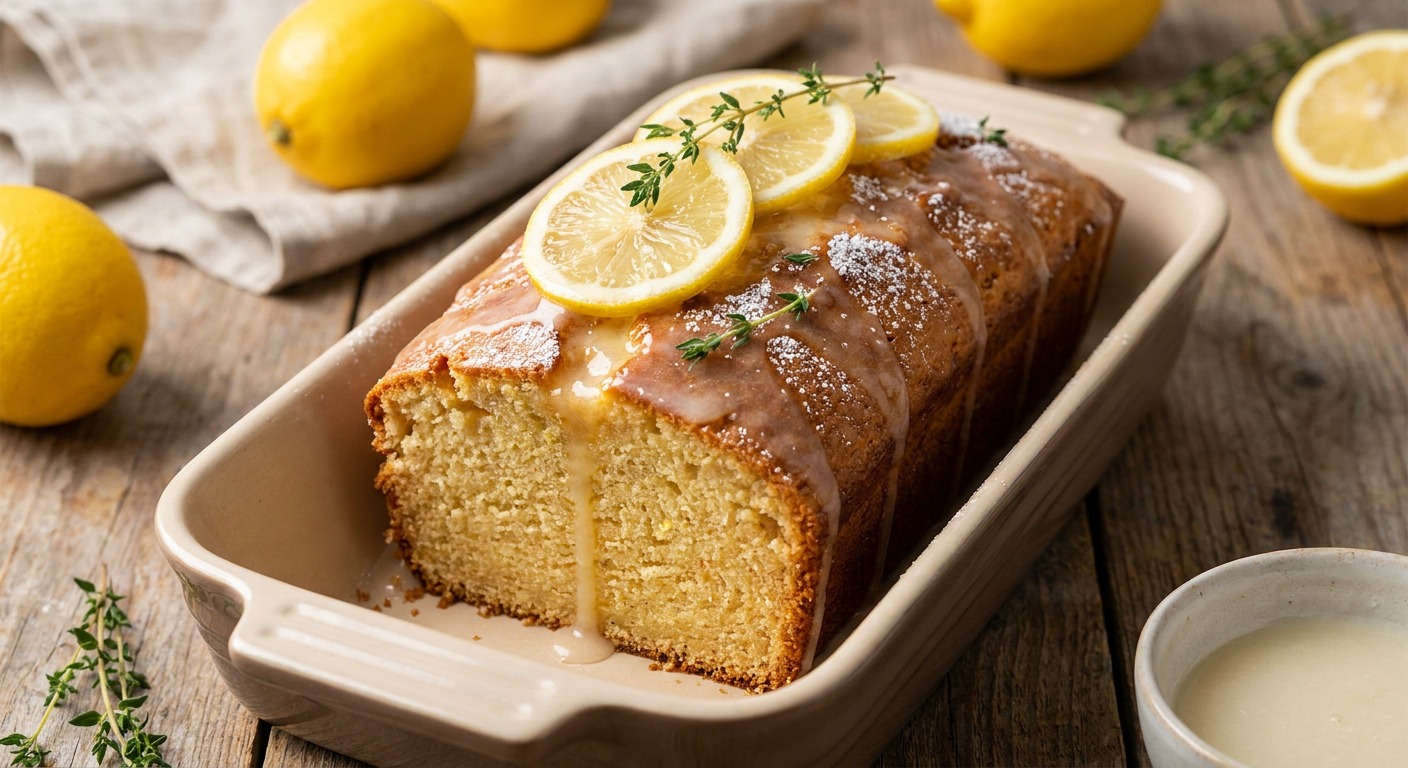
Gluten-Free Lemon Loaf
A bright, tender gluten-free lemon loaf with a soft crumb and a glossy lemon glaze. This loaf is made to be adaptable — use a gluten-free 1:1 flour blend or sub in almond flour for a nutty, moist alternative.
Ingredient Spotlight
Gluten-free 1:1 all-purpose flour blend (or use almond flour option below)
A commercial mix formulated to replace regular wheat flour cup-for-cup in baking; blends vary but commonly contain rice flours, tapioca or potato starch, and a binder like xanthan or guar gum to mimic gluten. It comes from the recent rise in gluten-free baking rather than a single cultural cuisine and tastes largely neutral though texture can be slightly crumblier than wheat flour. Find it in the baking aisle of most supermarkets, natural foods stores, or online. If you can’t find it, a true wheat all-purpose flour will work if you don’t need GF results, or use a homemade GF blend and ensure it includes a binder (or add xanthan gum) for structure.
Ingredient Spotlight
Almond flour (optional swap for a more tender, nutty loaf)
Finely ground blanched almonds used widely in gluten‑free, paleo, and European baking (e.g., frangipane, macarons) that gives baked goods a moist, tender crumb and a distinctly nutty flavor. It’s naturally gluten‑free and higher in fat and moisture than grain flours, so recipes often need fewer liquids or extra binding (eggs) when substituted. Available in grocery stores, natural-foods sections, and online; almond meal (coarser, with skins) is the closest substitute, while coconut flour or a GF 1:1 blend can be used but require recipe adjustments and are not direct 1:1 swaps. Note allergy considerations for tree‑nuts.
Jake Woods's note
"This loaf is reliably moist and fragrant — perfect for brunch, tea time, or an easy dessert. Home bakers will love how simple the swaps are: a GF blend for a classic texture or almond flour for a richer, gluten-free option."
About This Recipe
Bright, springlike and unfussy, this Gluten-Free Lemon Loaf is designed to deliver the very best of a classic loaf cake while solving for two common needs: reliable texture on the first try, and easy adaptation for nut-friendly bakers. Using a gluten-free 1:1 all-purpose blend keeps the crumb familiar — soft, slightly tender and sliceable — while the optional almond flour swap yields a moister, more tender loaf with a subtle nutty backbone that pairs beautifully with lemon’s acidity.
What makes this version work is the balance of fat, acid and structure: melted butter and Greek yogurt provide fat and moisture while lemon juice and zest give a bright lift, and a measured amount of baking powder gives rise without turning crumb gummy. The glossy lemon glaze isn’t just decoration — it seals in moisture and amplifies zest notes. This loaf is perfect for a gluten-free household, a casual brunch, or as a giveaway to neighbors; it’s straightforward to make, forgiving of small swaps, and rewards attention to small details like zesting and gentle folding.
Ingredients for Gluten-Free Lemon Loaf
- 1 1/2 cups Gluten-free 1:1 all-purpose flour blend (or use almond flour option below)
- 1 1/2 cups Almond flour (optional swap for a more tender, nutty loaf)
- 1 tsp Baking powder
- 1/2 tsp Fine salt
- 3/4 cup Granulated sugar
- 3 large Large eggs
- 1/2 cup Plain Greek yogurt (or sour cream)
- 2 lemons Fresh lemon (zest + juice) — about 2 medium lemons
- 1/3 cup Unsalted butter, melted and cooled
- 1 cup Powdered sugar (for glaze)
How to Make Gluten-Free Lemon Loaf
Step 1: Preheat and prepare pan
Preheat the oven to 350°F (175°C). Grease a 9x5-inch loaf pan and line it with parchment, leaving an overhang for easy removal; lightly grease the parchment as well.Step 2: Combine dry ingredients
In a medium bowl, whisk together the gluten-free 1:1 flour blend (or almond flour if using), baking powder, and salt until evenly distributed. If using an almond flour substitution, gently stir to break up any clumps so the batter remains smooth.For this step
- 1 1/2 cupsGluten-free 1:1 all-purpose flour blend (or use almond flour option below)
- 1 1/2 cupsAlmond flour (optional swap for a more tender, nutty loaf)
- 1 tspBaking powder
- 1/2 tspFine salt
Step 3: Whisk wet ingredients and combine
In a large bowl, whisk the granulated sugar and eggs until well combined. Whisk in the Greek yogurt, melted butter, and the zest and juice of the lemons until smooth. Fold the dry ingredients into the wet mixture with a spatula just until combined — batter will be slightly thick but pourable.For this step
- 3/4 cupGranulated sugar
- 3 largeLarge eggs
- 1/2 cupPlain Greek yogurt (or sour cream)
- 2 lemonsFresh lemon (zest + juice) — about 2 medium lemons
- 1/3 cupUnsalted butter, melted and cooled
Step 4: Bake the loaf
Pour batter into the prepared pan, smoothing the top. Bake for 45–55 minutes, rotating once midway, until the top is golden and a toothpick inserted into the center comes out clean or with a few moist crumbs. If the top browns too quickly, tent loosely with foil for the last 10–15 minutes.Step 5: Glaze and cool
Cool the loaf in the pan for 10 minutes, then transfer to a rack. Whisk the powdered sugar with 1–2 tablespoons of fresh lemon juice (from the lemons used earlier) to a pourable glaze, then drizzle over the warm loaf. Let the glaze set before slicing; store tight at room temperature for 2 days or refrigerated for up to 5 days.For this step
- 1 cupPowdered sugar (for glaze)


- Preheat the oven to 350°F (175°C). Grease a 9x5-inch loaf pan and line it with parchment, leaving an overhang for easy removal; lightly grease the parchment as well.
- In a medium bowl, whisk together the gluten-free 1:1 flour blend (or almond flour if using), baking powder, and salt until evenly distributed. If using an almond flour substitution, gently stir to break up any clumps so the batter remains smooth.
- In a large bowl, whisk the granulated sugar and eggs until well combined. Whisk in the Greek yogurt, melted butter, and the zest and juice of the lemons until smooth. Fold the dry ingredients into the wet mixture with a spatula just until combined — batter will be slightly thick but pourable.
- Pour batter into the prepared pan, smoothing the top. Bake for 45–55 minutes, rotating once midway, until the top is golden and a toothpick inserted into the center comes out clean or with a few moist crumbs. If the top browns too quickly, tent loosely with foil for the last 10–15 minutes.
- Cool the loaf in the pan for 10 minutes, then transfer to a rack. Whisk the powdered sugar with 1–2 tablespoons of fresh lemon juice (from the lemons used earlier) to a pourable glaze, then drizzle over the warm loaf. Let the glaze set before slicing; store tight at room temperature for 2 days or refrigerated for up to 5 days.
Gluten-Free Lemon Loaf Tips
Weigh or spoon flour
If using the 1:1 blend, spoon it into your measuring cup and level or better yet weigh it; packing can make the batter too dense and dry.
Room-temperature eggs
Bring eggs to room temperature to help them emulsify better with butter and yogurt for a smoother batter and even crumb.
Don’t overmix batter
Fold dry ingredients into the wet just until no streaks remain — overmixing can make gluten-free starches become gummy or heavy.
Watch oven color
If the top browns before the centre is cooked, tent loosely with foil for the last 10–15 minutes to prevent overbrowning.
Adjust glaze consistency
Start with 1 tablespoon lemon juice in the powdered sugar and add more by drops until the glaze just pours; too thin will run off the loaf.
Gluten-Free Lemon Loaf Variations and Substitutions
All-Almond Flour Loaf
Use 1.5 cups almond flour alone but reduce baking time slightly and expect a denser, moister loaf; add 1/4 teaspoon baking soda if you prefer extra lift.
Lemon Poppy Seed Twist
Stir 1–2 tablespoons poppy seeds into the batter for a classic texture contrast and a slight nutty crunch that complements the lemon.
Orange or Citrus Blend
Swap lemon zest and part of the juice for orange or a mix of lemon and lime for a sweeter, fruitier profile; reduce juice if using sweeter oranges.
Dairy-Free Option
Replace Greek yogurt with full-fat coconut yogurt and use a mild-flavored oil (avocado or light olive) instead of butter for a dairy-free loaf with a tender crumb.
How to Store and Make Gluten-Free Lemon Loaf Ahead
Store the cooled, glazed loaf wrapped tightly in plastic wrap or in an airtight container at room temperature for up to 2 days, or refrigerate for up to 5 days to keep it fresh longer. For longer storage, slice and freeze individual pieces in a single layer on a sheet, then transfer to a freezer bag for up to 2 months; thaw at room temperature or warm gently in a 300°F (150°C) oven for 8–10 minutes.
What to Serve With Gluten-Free Lemon Loaf
Serve slices slightly warm or at room temperature with a smear of mascarpone or Greek yogurt for extra creaminess and a scatter of lemon zest for brightness. This loaf pairs beautifully with afternoon tea, a simple espresso, or a light sparkling wine for brunch; add fresh berries or poached pears for a more substantial dessert plate.
Gluten-Free Lemon Loaf FAQs
Can I use only almond flour?
Yes — the recipe includes an almond flour option; expect a denser, moister loaf and slightly shorter bake time. Mixing in a small amount (2–4 tablespoons) of tapioca or arrowroot can improve structure if desired.
Why did my gluten-free loaf turn out gummy?
Gummy texture often comes from too much liquid or overmixing with starch-heavy blends; measure flour carefully, fold gently, and avoid excess yogurt or juice beyond the recipe amounts.
How can I make the lemon flavor more intense?
Use the zest of an extra lemon and allow the zest to sit with the sugar for a few minutes to release oils before adding eggs; finishing with a lemon-sugar sprinkle or a slightly zestier glaze also boosts brightness.
Is the glaze necessary?
No, but the glaze keeps slices moist and amplifies lemon flavor; you can skip it for a lighter loaf or dust with powdered sugar instead.
Can I make this ahead for a party?
Yes — bake the day before, glaze the morning of, and keep wrapped at room temperature or refrigerated depending on your serving time; bring to room temperature before serving for best texture.
About the author
Jake WoodsHello, I'm Jake. I started this recipe site with the idea that I hated recipe websites that overwhelm you with long stories and ads just to see plain content that's not helpful. My goal is to provide you with quality recipes, simple ideas and a fun cooking experience. There's lots of fun things to cook, and I think as you browse the site you'll find that TopShelf.Recipes is the place for quality recipes on the web.
See all recipes by Jake Woods →Ratings & Reviews
Did you make this recipe?
Be the first to share your experience.
Nutrition Facts
Per serving: 1 slice (135g)
Nutrition values are estimated from USDA ingredient data and may vary based on preparation, brands, and portion sizes. Values are provided for informational purposes only.
Keep Reading
Guides & articles for this recipe
Guides
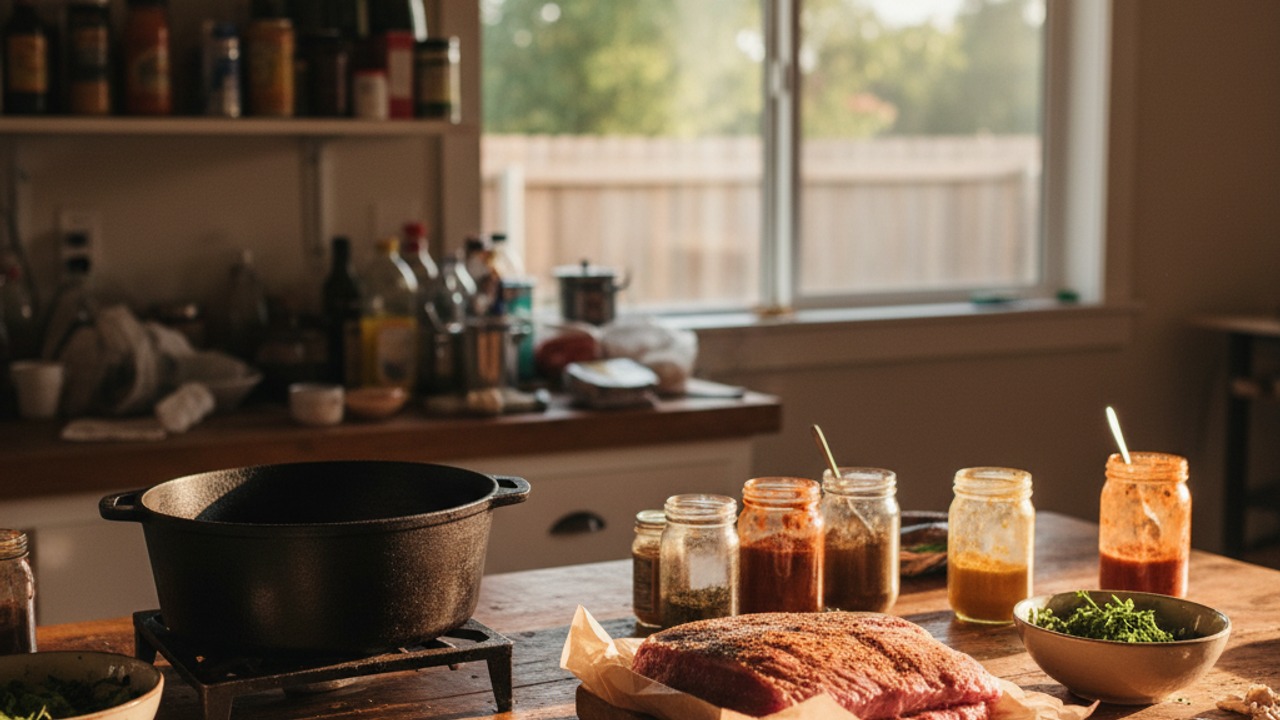
Labour Day Smoking Playbook
Seven ready-to-run smoke-first menus with exact start/hold/serve timelines so you can plan an overnight pit and a stress-free Labour Day spread. Includes make-ahead side pairings, cooler-transport tips, fuel and wood picks for late-summer weather, and safety + hold strategies so hosts can relax and enjoy the holiday.

Tips & Techniques
Baking Soda and Tenderized Beef
Learn how baking soda can tenderize, boost browning, and improve moisture for ground beef and other meats. This practical guide covers the science, step-by-step techniques, common mistakes, and recipes to try.

Healthy Eating
Gluten-Free Weeknight Grilling Plan
A 7-day gluten-free weeknight grilling plan with quick, family-friendly recipes, prep-ahead timelines, and a printable shopping list that spotlights late-summer produce and pantry staples. Includes clear cross-contamination safety tips and simple swaps to keep dinners fast and crowd-pleasing.
More from Baking
View all Baking recipes →
Cloud Bread Sandwiches

Honey Mustard Chicken Nuggets

Cheddar Jalapeño Corn Muffins

Basque Burnt Cheesecake

30-Minute Sticky Baked Honey Garlic Chicken Thighs with Crisp Edges

Lemon Butter Salmon

Spritz Cookies

Brown Butter Vanilla Syrup

Honey Glazed Easter Ham
Ask me anything about this recipe — substitutions, scaling, techniques, timing.
Powered by AI · 6 questions per 5 minutes, 30 per day