Keto Almond Lemon Loaf
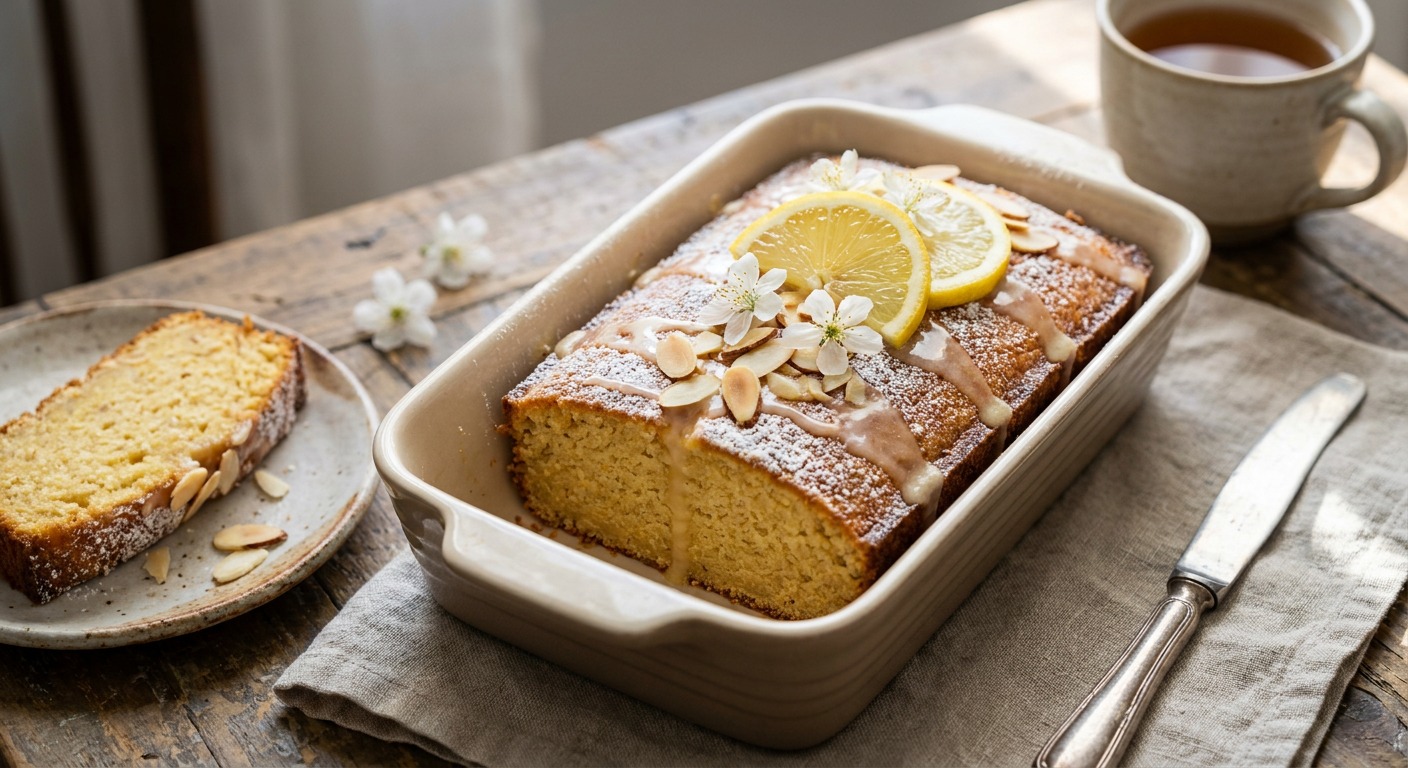
A tender, citrus-scented almond flour loaf that's low in carbs and perfectly sweetened for keto diets. Bright lemon flavor and a light glaze make it a great breakfast slice or an elegant dessert for low-carb entertaining.
Ingredient Spotlight
Almond flour (blanched)
Finely ground blanched almonds (skins removed), commonly used in gluten‑free and low‑carb baking; it’s finer and lighter than almond meal. It has a mild, slightly sweet, nutty flavor and adds moistness and tenderness but lacks gluten’s structure, so recipes often need eggs or binders. Find it in grocery store baking or natural foods sections, or online; if unavailable use almond meal (coarser) or—if you need a nut‑free option—use coconut flour or sunflower seed flour with quantity/technique adjustments.
Ingredient Spotlight
Granulated erythritol (or preferred keto sugar substitute)
Erythritol is a sugar alcohol used as a zero‑calorie, granulated sweetener in low‑carb and keto baking; it’s about 60–80% as sweet as sugar and can have a mild cooling sensation on the tongue. It behaves similarly to sugar in recipes for bulk and texture but browns less, and some people notice a different mouthfeel; you’ll find it in the baking aisle of supermarkets, health food stores, or online. Good substitutes are 1:1 erythritol/monk fruit blends, allulose (closer to sugar’s browning), or other keto sweeteners—note that substitution ratios and effects on texture/browning vary.
Jake Woods's note
"This loaf is reliably moist thanks to almond flour and sour cream, and the lemon keeps it lively—perfect for brunch, coffee breaks, or a keto-friendly treat any time. Expect a dense, cake-like crumb that slices cleanly once cooled."
About This Recipe
This almond lemon loaf is built to deliver bright citrus without the weigh-down of grain flours — think tender, slightly crumbly crumb from fine blanched almond flour, lifted by eggs and a touch of baking powder, and kept lusciously moist by full-fat sour cream and butter. The lemon is front-and-center: both zest and fresh juice are folded into the batter so the flavor permeates the loaf, while a thin lemon glaze adds a glossy, tangy finish that reads like a classic pound-cake but stays lower in carbs when you use erythritol or another keto-friendly sweetener.
What makes this version reliable is attention to temperature and texture: room-temperature eggs and not-too-hot melted butter keep the eggs from curdling, and a gentle fold prevents overworking the delicate almond flour. It’s an easy loaf for baking beginners, but it also stands up to company — slice it thin for a tea-table dessert or thicker for a bright keto breakfast with a smear of ricotta. Anyone following a low-carb or gluten-free approach will appreciate how well this recipe balances structure, moisture, and citrus clarity without any odd aftertastes.
Ingredients for Keto Almond Lemon Loaf
- 2 cups Almond flour (blanched)
- 2/3 cup Granulated erythritol (or preferred keto sugar substitute)
- 1 teaspoon Baking powder
- 1/4 teaspoon Fine salt
- 4 large Large eggs
- 1/3 cup Unsalted butter, melted
- 1/2 cup Full-fat sour cream
- 2 lemons Fresh lemons (zest + juice)
- 1 teaspoon Vanilla extract
How to Make Keto Almond Lemon Loaf
Step 1: Preheat and combine dry ingredients
Preheat the oven to 350°F (175°C). Grease and line a 9x5-inch loaf pan with parchment paper. In a large bowl, whisk together almond flour, granulated erythritol, baking powder, and salt until evenly combined and aerated.For this step
- 2 cupsAlmond flour (blanched)
- 1 teaspoonBaking powder
- 1/4 teaspoonFine salt
Step 2: Mix the wet ingredients
In a separate bowl, whisk the eggs until frothy, then stir in the melted butter, sour cream, fresh lemon zest and juice, and vanilla extract until smooth. Make sure the butter is not too hot when added so the eggs don't cook.For this step
- 4 largeLarge eggs
- 1/3 cupUnsalted butter, melted
- 1/2 cupFull-fat sour cream
- 2 lemonsFresh lemons (zest + juice)
- 1 teaspoonVanilla extract
Step 3: Combine batter and transfer to pan
Pour the wet mixture into the dry ingredients and fold gently until just combined; do not overmix. Scrape the batter into the prepared loaf pan and smooth the top with a spatula for even baking.Step 4: Bake until golden
Bake in the preheated oven for 45–55 minutes, or until the top is golden and a toothpick inserted into the center comes out clean or with a few moist crumbs. If the top browns too quickly, tent the loaf loosely with foil for the last 10–15 minutes.Step 5: Make a quick lemon glaze and cool
While the loaf cools in the pan for 10 minutes, combine 1–2 tablespoons of the remaining granulated erythritol (pulverized briefly if you prefer a smoother glaze) with 1 tablespoon fresh lemon juice to taste; whisk until pourable. Remove the loaf to a wire rack, brush or drizzle the glaze over the warm loaf, and allow it to cool completely before slicing.Step 6: Slice and serve
Once completely cool, slice the loaf into 8 even pieces using a serrated knife for clean cuts. Store leftovers wrapped in the refrigerator for up to 5 days or freeze individual slices for longer storage.


- Preheat the oven to 350°F (175°C). Grease and line a 9x5-inch loaf pan with parchment paper. In a large bowl, whisk together almond flour, granulated erythritol, baking powder, and salt until evenly combined and aerated.
- In a separate bowl, whisk the eggs until frothy, then stir in the melted butter, sour cream, fresh lemon zest and juice, and vanilla extract until smooth. Make sure the butter is not too hot when added so the eggs don't cook.
- Pour the wet mixture into the dry ingredients and fold gently until just combined; do not overmix. Scrape the batter into the prepared loaf pan and smooth the top with a spatula for even baking.
- Bake in the preheated oven for 45–55 minutes, or until the top is golden and a toothpick inserted into the center comes out clean or with a few moist crumbs. If the top browns too quickly, tent the loaf loosely with foil for the last 10–15 minutes.
- While the loaf cools in the pan for 10 minutes, combine 1–2 tablespoons of the remaining granulated erythritol (pulverized briefly if you prefer a smoother glaze) with 1 tablespoon fresh lemon juice to taste; whisk until pourable. Remove the loaf to a wire rack, brush or drizzle the glaze over the warm loaf, and allow it to cool completely before slicing.
- Once completely cool, slice the loaf into 8 even pieces using a serrated knife for clean cuts. Store leftovers wrapped in the refrigerator for up to 5 days or freeze individual slices for longer storage.
Keto Almond Lemon Loaf Tips
Room-temperature eggs
Bring eggs to room temperature before mixing so they emulsify better with butter and sour cream, producing a lighter batter and more even rise.
Cool melted butter
Let melted butter cool slightly before adding to eggs to prevent scrambling; lukewarm is ideal so it blends smoothly into the wet mixture.
Sift or whisk dry mix
Whisk almond flour, erythritol, and baking powder vigorously to break up clumps and aerate the flour, which reduces density in the finished loaf.
Watch the bake closely
Start testing at 45 minutes; if the top browns too fast, tent with foil and continue until a toothpick comes out with a few moist crumbs for the best texture.
Smooth lemon glaze
Pulse granulated erythritol in a spice grinder or blender to make it powdery before whisking with lemon juice to avoid a grainy glaze.
Keto Almond Lemon Loaf Variations and Substitutions
Blueberry Lemon Loaf
Fold 3/4 cup fresh or frozen (not thawed) berries into the batter for a classic pairing; reduce folding to protect the berries from breaking and dust frozen berries with a tablespoon of almond flour to prevent sinking.
Herbed Citrus Twist
Stir in 1 tablespoon finely chopped fresh basil or thyme with the zest for a savory-sweet note that’s lovely with soft cheeses at brunch.
Dairy-free Option
Swap melted butter for equal coconut oil and replace sour cream with full-fat coconut yogurt; texture will be slightly different but still moist and citrus-forward.
Different Sweeteners
Use a 1:1 monk fruit blend instead of erythritol for less cooling effect, or combine 2/3 erythritol with 1/3 allulose to preserve browning and a softer crumb.
How to Store and Make Keto Almond Lemon Loaf Ahead
Store the cooled loaf tightly wrapped in plastic wrap or in an airtight container in the refrigerator for up to 5 days; the dairy and fresh citrus mean refrigeration is safest. For longer storage, slice and freeze individual portions layered between parchment in a freezer-safe bag for up to 3 months, then thaw in the fridge overnight. To refresh chilled slices, warm briefly in a 300°F oven for 6–8 minutes or microwave a single slice for 10–15 seconds until just warm; avoid overheating or the crumb will dry out.
What to Serve With Keto Almond Lemon Loaf
Serve slightly warm or at room temperature with a smear of mascarpone or whipped crème fraîche and a few fresh berries for contrast. For breakfast, pair with a bright Americano or a milky matcha latte; for dessert, a glass of chilled prosecco or an herbal tea like chamomile complements the lemon without overpowering it. Slice thin for a tea service or thicker with a dollop of lemon curd for a more indulgent presentation.
Keto Almond Lemon Loaf FAQs
Why did my loaf turn out dense?
Dense results usually come from overpacking almond flour, under-whisked dry ingredients, or overmixing once wet and dry are combined; gently fold until just combined and be sure to whisk the dry mix to aerate it first.
The top cracked heavily — is that a problem?
A moderate crack is normal with almond flour loaves because the outside sets faster than the interior, but a large dome or split can mean the oven is too hot; confirm temperature with an oven thermometer and tent with foil if it browns too quickly.
Can I replace almond flour with regular flour?
You can’t swap 1:1 — almond flour has far less structure and more fat. If you want to use all-purpose flour, reduce the eggs and fat and expect a different texture; it’s better to find a separate recipe tailored to wheat flour.
How do I prevent a grainy erythritol glaze?
Pulverize granulated erythritol into a fine powder before whisking with lemon juice, or use a powdered erythritol blend; warming the liquid slightly helps dissolve crystals for a smooth pourable glaze.
Can I omit the sour cream?
Yes — replace it with full-fat Greek yogurt for a similar tang and moisture, or use an equal amount of crème fraîche; reduced-fat swaps will yield a drier loaf.
About the author
Jake WoodsHello, I'm Jake. I started this recipe site with the idea that I hated recipe websites that overwhelm you with long stories and ads just to see plain content that's not helpful. My goal is to provide you with quality recipes, simple ideas and a fun cooking experience. There's lots of fun things to cook, and I think as you browse the site you'll find that TopShelf.Recipes is the place for quality recipes on the web.
See all recipes by Jake Woods →Ratings & Reviews
Did you make this recipe?
Be the first to share your experience.
Nutrition Facts
Per serving: 1 slice (92g)
Nutrition values are estimated from USDA ingredient data and may vary based on preparation, brands, and portion sizes. Values are provided for informational purposes only.
Keep Reading
Guides & articles for this recipe

Tips & Techniques
Baking Soda and Tenderized Beef
Learn how baking soda can tenderize, boost browning, and improve moisture for ground beef and other meats. This practical guide covers the science, step-by-step techniques, common mistakes, and recipes to try.

Healthy Eating
Gluten-Free Weeknight Grilling Plan
A 7-day gluten-free weeknight grilling plan with quick, family-friendly recipes, prep-ahead timelines, and a printable shopping list that spotlights late-summer produce and pantry staples. Includes clear cross-contamination safety tips and simple swaps to keep dinners fast and crowd-pleasing.

Healthy Eating
Low-Fat Grill Swaps for Big Flavor
A practical guide to trimming fat from grilled meals without losing juiciness or char. Learn yogurt- and citrus-based marinades, lean protein picks, searing and indirect-heat tricks, plus 5 quick low-fat marinades and a simple weeknight plan.
More from Baking
View all Baking recipes →
Cloud Bread Sandwiches

Honey Mustard Chicken Nuggets

Cheddar Jalapeño Corn Muffins

Basque Burnt Cheesecake

30-Minute Sticky Baked Honey Garlic Chicken Thighs with Crisp Edges

Lemon Butter Salmon

Spritz Cookies

Brown Butter Vanilla Syrup

Honey Glazed Easter Ham
Ask me anything about this recipe — substitutions, scaling, techniques, timing.
Powered by AI · 6 questions per 5 minutes, 30 per day