Labneh Cake
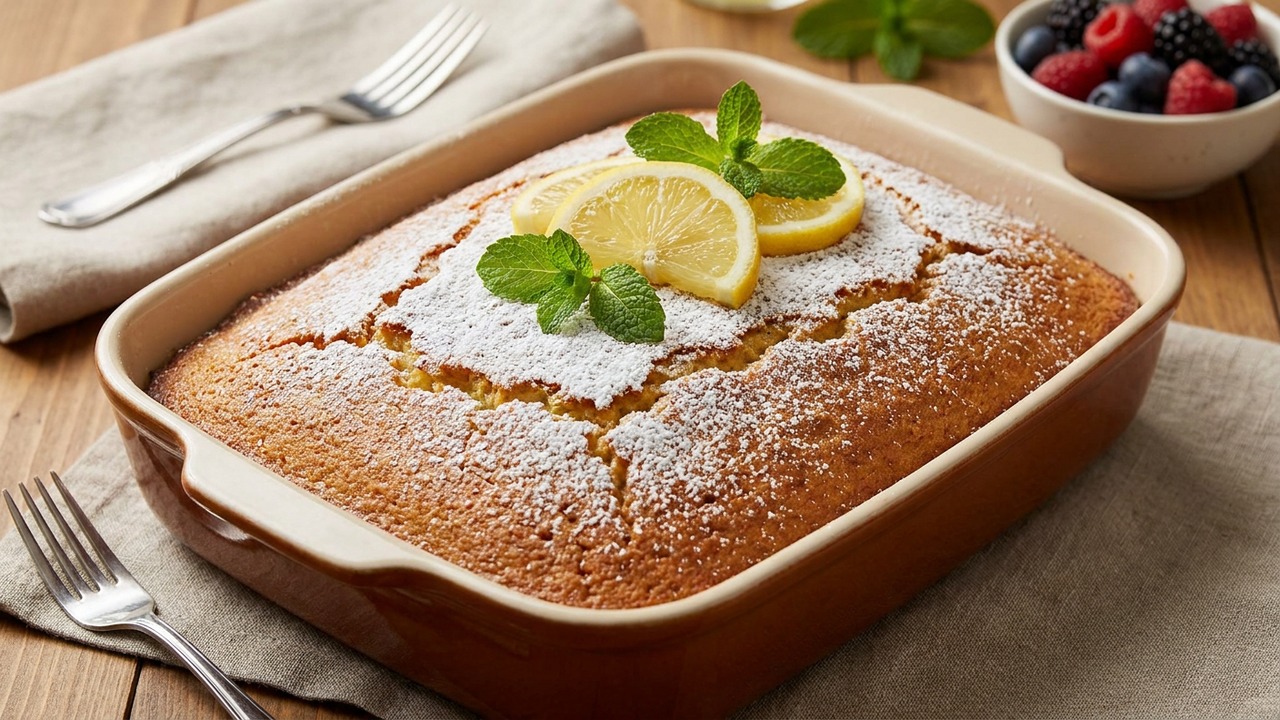
A bright, tender cake that uses tangy labneh to build a moist, slightly dense crumb and a clean lemon finish. It’s a modern twist on a simple butter cake with cultured dairy for extra depth and a silky texture.
Ingredient Spotlight
Labneh (full-fat)
Labneh is a Middle Eastern strained yogurt cheese made by draining yogurt until thick and spreadable; full-fat labneh is very creamy with a tangy, slightly lactic flavor and a mild yogurt aroma. It’s commonly used as a dip, spread, or ingredient in both sweet and savory dishes and is sold at Middle Eastern/Mediterranean markets, many larger supermarkets (deli or specialty refrigerated section), or can be made at home by straining plain full-fat yogurt in cheesecloth for 12–24 hours. Good substitutes are extra-thick Greek yogurt (strained further) or a mix of cream cheese with a bit of yogurt or lemon juice to approximate the tang and texture.
Jake Woods's note
"This cake shines at brunches, light dinners, or any time you want a dessert that’s rich but not heavy — the labneh keeps it tangy and fresh. Home bakers will appreciate how forgiving the batter is and how well it slices after a short chill."
About This Recipe
Labneh Cake is a quiet showstopper — the kind of cake that doesn’t shout sweetness but lingers with a bright, cultured tang and a silky, slightly dense crumb. Using full-fat labneh in place of more familiar dairy fats gives the batter a richness that keeps the cake moist without making it heavy, while the natural acidity tightens structure so you get clean slices and a tender, almost cheesecake-like finish. The lemon zest and juice lift the flavor into a fresh, sunny place, so each bite feels balanced rather than cloying.
This version works because it pairs a simple butter-cake technique with cultured dairy for depth; you beat butter and sugar for aeration, then fold in flour gently so the labneh can do the textural work. It’s an ideal bake for brunch, an afternoon tea, or when you want a dessert that’s elegant but unfussy: serve it plain with a scatter of berries, a drizzle of honey, or a spoonful of preserved lemon curd. Home bakers who like restrained sweetness and a reliable, sliceable cake will find this recipe forgiving and versatile enough for small adaptations.
Ingredients for Labneh Cake
- 1 1/2 cups Labneh (full-fat)
- 1 3/4 cups All-purpose flour
- 3/4 cup Granulated sugar
- 6 tbsp Unsalted butter, softened
- 3 large Large eggs
- 1 1/2 tsp Baking powder
- 1/2 tsp Salt
- 1 tbsp Lemon zest
- 2 tbsp Lemon juice
- 1 tsp Vanilla extract
How to Make Labneh Cake
Step 1: Prepare oven and dry ingredients
Preheat the oven to 350°F (175°C). Grease and line a 9-inch (23 cm) springform pan with parchment; set aside. In a medium bowl whisk together the all-purpose flour, baking powder, and salt until evenly mixed.For this step
- 1 3/4 cupsAll-purpose flour
- 1 1/2 tspBaking powder
- 1/2 tspSalt
Step 2: Cream butter and sugar, add eggs and labneh
In a large bowl or the bowl of a stand mixer, beat the softened butter and granulated sugar on medium speed until light and fluffy, about 2–3 minutes. Add the eggs one at a time, beating briefly after each addition, then scrape down the bowl and beat in the labneh, lemon zest, lemon juice, and vanilla until the batter is smooth and homogeneous.For this step
- 1 1/2 cupsLabneh (full-fat)
- 3/4 cupGranulated sugar
- 6 tbspUnsalted butter, softened
- 3 largeLarge eggs
- 1 tbspLemon zest
- 2 tbspLemon juice
- 1 tspVanilla extract
Step 3: Combine batter and bake
Gently fold the dry ingredients into the wet mixture in two additions, mixing just until no large streaks of flour remain to avoid overworking the batter. Pour the batter into the prepared pan, smooth the top, and bake in the preheated oven for 35–45 minutes, or until the top is golden and a toothpick inserted near the center comes out with a few moist crumbs.Step 4: Cool and release from pan
Allow the cake to cool in the pan on a wire rack for about 10 minutes, then run a knife around the edge and release the springform ring. Let the cake cool completely on the rack; chilling for 30–60 minutes will make cleaner slices and enhance the set texture.Step 5: Serve and store
Serve slices plain, dusted with a little extra lemon zest, or with fresh berries or a drizzle of honey if desired. Store leftovers covered in the refrigerator for up to 3–4 days; bring to room temperature before serving for best flavor.


- Preheat the oven to 350°F (175°C). Grease and line a 9-inch (23 cm) springform pan with parchment; set aside. In a medium bowl whisk together the all-purpose flour, baking powder, and salt until evenly mixed.
- In a large bowl or the bowl of a stand mixer, beat the softened butter and granulated sugar on medium speed until light and fluffy, about 2–3 minutes. Add the eggs one at a time, beating briefly after each addition, then scrape down the bowl and beat in the labneh, lemon zest, lemon juice, and vanilla until the batter is smooth and homogeneous.
- Gently fold the dry ingredients into the wet mixture in two additions, mixing just until no large streaks of flour remain to avoid overworking the batter. Pour the batter into the prepared pan, smooth the top, and bake in the preheated oven for 35–45 minutes, or until the top is golden and a toothpick inserted near the center comes out with a few moist crumbs.
- Allow the cake to cool in the pan on a wire rack for about 10 minutes, then run a knife around the edge and release the springform ring. Let the cake cool completely on the rack; chilling for 30–60 minutes will make cleaner slices and enhance the set texture.
- Serve slices plain, dusted with a little extra lemon zest, or with fresh berries or a drizzle of honey if desired. Store leftovers covered in the refrigerator for up to 3–4 days; bring to room temperature before serving for best flavor.
Labneh Cake Tips
Use full-fat labneh
Full-fat labneh gives the best texture and moisture; if yours is very thick, thin it slightly with a tablespoon or two of milk to make it easier to fold into the batter.
Room-temperature ingredients
Make sure eggs, butter, and labneh are close to room temperature so they incorporate evenly and the batter emulsifies smoothly without curdling.
Zest before juicing
Grate the lemon zest before cutting the fruit to capture maximum oils, then add the juice for balance so you preserve that bright citrus aroma.
Fold, don't overmix
Add flour in two additions and fold gently until no large streaks remain to keep the crumb tender — overmixing will develop gluten and make the cake tough.
Test for doneness
Insert a toothpick near the center; it should come out with a few moist crumbs, not raw batter — if the edges are browning too quickly, tent with foil and continue baking.
Labneh Cake Variations and Substitutions
Greek yogurt substitute
Use thick Greek yogurt strained through cheesecloth for an hour as a one-to-one substitute, but expect a slightly looser crumb and reduce any added liquid by a tablespoon if necessary.
Olive oil lemon cake
Replace half the butter with extra-virgin olive oil for a silkier texture and a savory-fruity backdrop; the cake will be a bit denser and more tender.
Almond and gluten-free
Swap 1 cup of the flour for 1 cup superfine almond flour and use a 1:1 gluten-free flour for the remainder to make a moist, nutty gluten-free version.
Herbed honey drizzle
Warm honey with a sprig of thyme or rosemary, cool, then drizzle over slices for a fragrant, savory-sweet finish that complements the labneh’s tang.
How to Store and Make Labneh Cake Ahead
Store the cake covered in the refrigerator for up to 3–4 days; labneh’s cultured nature keeps it tasting fresh longer than plain butter cakes. For cleaner slices, bring the cake to room temperature for 20–30 minutes before serving or warm individual slices briefly in a 300°F oven for 5–7 minutes. You can freeze wrapped slices for up to 2 months; thaw overnight in the refrigerator and then sit at room temperature before serving.
What to Serve With Labneh Cake
Serve this cake with lightly sweetened whipped labneh or crème fraîche and a scattering of fresh berries to echo the citrus notes. For beverages, pair with a floral tea (bergamot or chamomile), a bright pour-over coffee, or a glass of Moscato d’Asti for a gently effervescent, slightly sweet contrast.
Labneh Cake FAQs
Can I use store-bought labneh or do I need homemade?
Store-bought full-fat labneh works perfectly and is convenient; if it’s very thick, loosen with a tablespoon of milk. Homemade labneh is fine too and may add a fresher tang.
What if I only have yogurt?
Use thick Greek yogurt strained in a fine sieve or cheesecloth for an hour to remove excess whey and concentrate the texture; use it 1:1 but consider reducing added liquid slightly.
Why does the recipe call for a springform pan?
A springform pan makes it easy to release a cake with a tender, slightly delicate edge without inverting it, preserving the smooth top and clean slice; you can use a regular 9-inch round pan, but line and invert carefully.
How can I prevent the top from cracking or over-browning?
If the top is browning too fast, tent loosely with foil after 20–25 minutes; slight cracking is normal with this batter but won’t affect flavor.
Is it safe to reduce the sugar?
You can reduce sugar by up to 25% for a less sweet cake, but sugar helps with texture and moisture so don’t cut more than that without expecting a firmer crumb.
About the author
Jake WoodsHello, I'm Jake. I started this recipe site with the idea that I hated recipe websites that overwhelm you with long stories and ads just to see plain content that's not helpful. My goal is to provide you with quality recipes, simple ideas and a fun cooking experience. There's lots of fun things to cook, and I think as you browse the site you'll find that TopShelf.Recipes is the place for quality recipes on the web.
See all recipes by Jake Woods →Ratings & Reviews
Did you make this recipe?
Be the first to share your experience.
Nutrition Facts
Per serving: 1 slice (207g)
Nutrition values are estimated from USDA ingredient data and may vary based on preparation, brands, and portion sizes. Values are provided for informational purposes only.
Keep Reading
Guides & articles for this recipe
Tips & Techniques
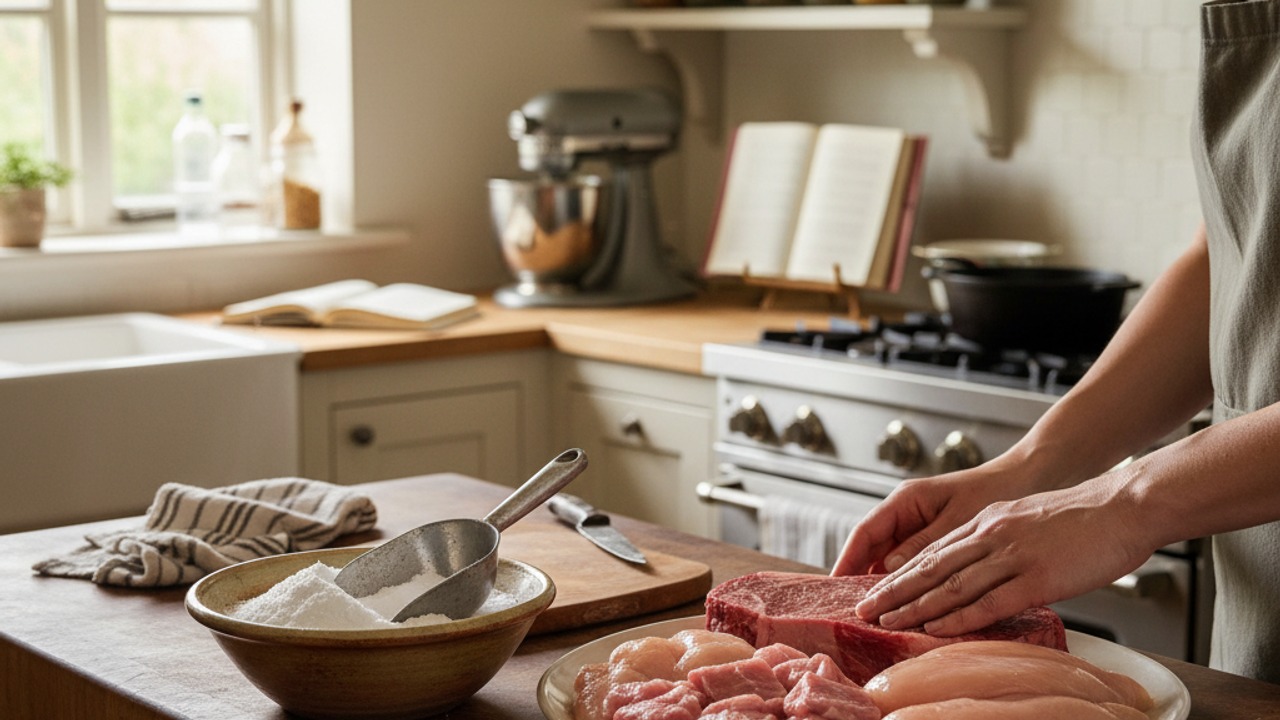
Baking Soda and Tenderized Beef
Learn how baking soda can tenderize, boost browning, and improve moisture for ground beef and other meats. This practical guide covers the science, step-by-step techniques, common mistakes, and recipes to try.

Healthy Eating
Gluten-Free Weeknight Grilling Plan
A 7-day gluten-free weeknight grilling plan with quick, family-friendly recipes, prep-ahead timelines, and a printable shopping list that spotlights late-summer produce and pantry staples. Includes clear cross-contamination safety tips and simple swaps to keep dinners fast and crowd-pleasing.

Healthy Eating
Low-Fat Grill Swaps for Big Flavor
A practical guide to trimming fat from grilled meals without losing juiciness or char. Learn yogurt- and citrus-based marinades, lean protein picks, searing and indirect-heat tricks, plus 5 quick low-fat marinades and a simple weeknight plan.
More from Baking
View all Baking recipes →
Gluten-Free Soft Pretzels

Sticky Gochujang Spare Ribs (Oven-Baked Korean-Inspired)

Apple Cider Muffins

Baked Buffalo Chicken Wings with Blue Cheese Dip (Crispy Oven Method)

Gluten-Free Honey Garlic Chicken Thighs with Tamari and Toasted Sesame

Sheet Pan Baked Honey Garlic Chicken Breasts with Roasted Vegetables

Juicy Oven-Baked Chicken Breasts (No-Dryness Method)

Cloud Bread Sandwiches

Honey Mustard Chicken Nuggets
Ask me anything about this recipe — substitutions, scaling, techniques, timing.
Powered by AI · 6 questions per 5 minutes, 30 per day