Make-Ahead Turkey Gravy
A reliable stovetop turkey gravy you can make ahead or freeze for effortless holiday service. Rich, savory, and easy to revive on the day, this method preserves pan flavor while giving clear steps for cooling, storing, and reheating.
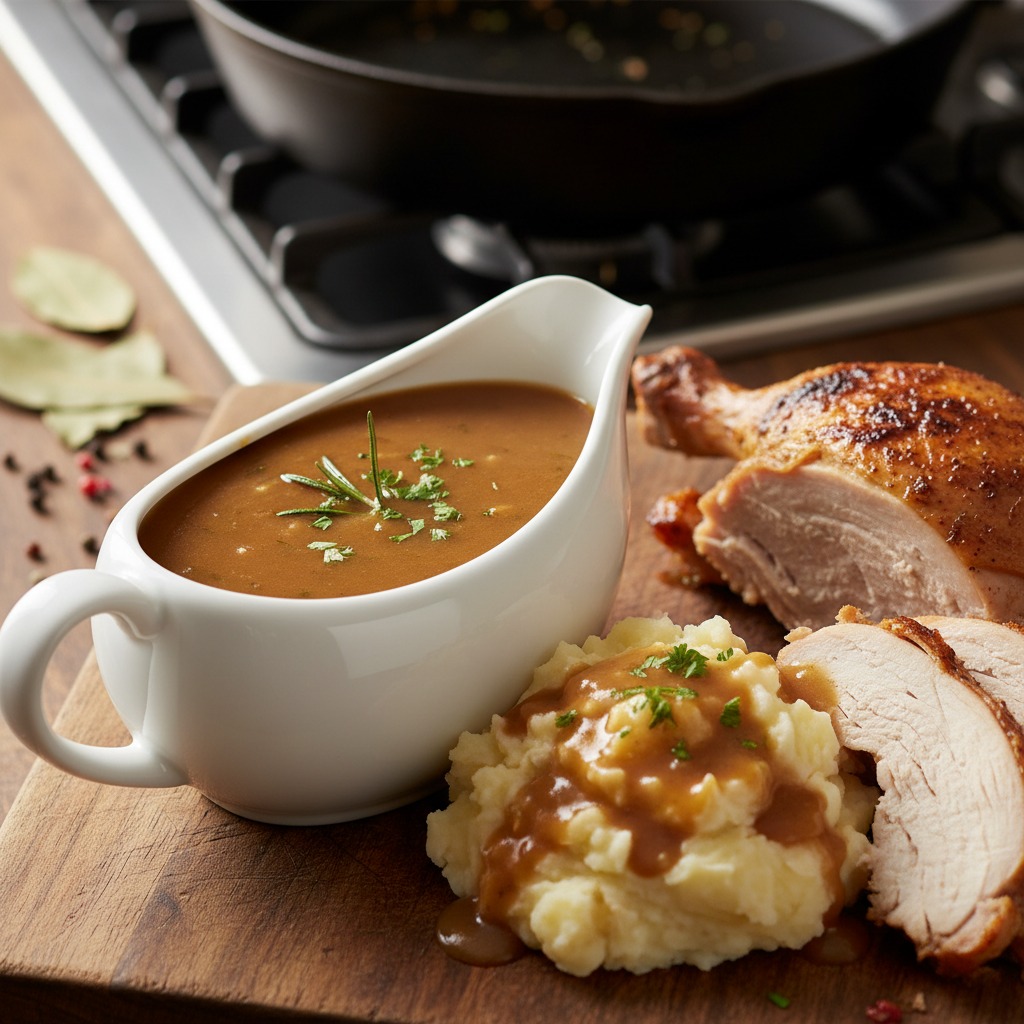
Jake Woods's note
"This gravy is built for hosts — make it while you focus on the bird, then chill or freeze for stress-free finishing. Home cooks will appreciate how easily it comes back to life with a gentle reheat and a splash of stock."
About This Recipe
This make-ahead turkey gravy is built to capture the best of the roasting pan without demanding last-minute attention. By straining and briefly concentrating the pan drippings with low-sodium stock and thyme, you preserve that caramelized, savory depth while eliminating any bitter scorch notes; finishing the sauce with a pale (blonde) roux gives body and a silky mouthfeel without turning the gravy muddy or over-dark. The optional splash of dry white wine brightens the base and lifts the flavors, and a little reserved butter added at the end restores sheen and richness after chilling or freezing.
It's designed for hosts who want consistent results under pressure: measure the drippings, make the gravy hours—or days—ahead, and simply revive it on service day with gentle reheating and a splash of stock or a knob of butter. The texture should be glossy and coat the back of a spoon, not gelatinous; if you need to adjust, a cornstarch slurry thickens without clouding. This method works for a dinner of six or for freezing several portions for quick reheats later in the winter when turkey cravings strike again.
Ingredients for Make-Ahead Turkey Gravy
- 1 cup Turkey pan drippings, strained
- 2 cups Low-sodium turkey or chicken stock
- 2 sprigs Fresh thyme sprigs
- 2 tbsp Unsalted butter
- 1/4 cup All-purpose flour
- 1/4 cup Dry white wine (optional)
- 1 tsp Kosher salt (adjust to taste)
- 1/2 tsp Freshly ground black pepper
- 1 tbsp Cornstarch (for slurry, optional)
How to Make Make-Ahead Turkey Gravy
Step 1: Strain and measure flavored liquids
After roasting, pour pan drippings through a fine-mesh strainer into a heatproof bowl and let settle. Skim off and reserve fat if desired, then measure 1 cup strained drippings and 2 cups low-sodium stock, add thyme, and bring the combined liquid to a gentle simmer to concentrate flavor for 3–4 minutes.For this step
- 1 cupTurkey pan drippings, strained
- 2 cupsLow-sodium turkey or chicken stock
- 2 sprigsFresh thyme sprigs
Step 2: Make a blonde roux
In a medium saucepan over medium heat, melt the butter until foaming, then whisk in the flour and cook, stirring constantly, for 2–3 minutes to remove raw flour taste. The roux should be pale golden — this builds body without darkening the gravy too much.For this step
- 2 tbspUnsalted butter
- 1/4 cupAll-purpose flour
Step 3: Whisk in liquids and wine
Slowly whisk the hot strained stock and drippings into the roux in a steady stream to prevent lumps, then stir in the white wine if using. Bring to a simmer and cook 3–6 minutes, whisking occasionally, until the gravy is smooth and coats the back of a spoon; remove and discard the thyme sprigs.For this step
- 1/4 cupDry white wine (optional)
Step 4: Season and adjust thickness
Taste and season with kosher salt and freshly ground black pepper, adjusting to your preference. If the gravy is too thin, whisk a slurry of 1 tbsp cornstarch mixed with 1 tbsp cold water and simmer until thickened; if too thick, whisk in a splash of stock or warm water until desired consistency is reached.For this step
- 1 tspKosher salt (adjust to taste)
- 1/2 tspFreshly ground black pepper
- 1 tbspCornstarch (for slurry, optional)
Step 5: Cool and store (make-ahead or freeze)
Let gravy cool slightly, then transfer to airtight containers; refrigerate up to 3 days or portion into freezer-safe containers or bags and freeze up to 3 months. For easier reheating, chill until the fat solidifies and either skim the fat before storing or leave it to help protect flavor during freezing.Step 6: Reheat and revive on the stovetop
Thaw overnight in the refrigerator if frozen, then gently rewarm over low heat, whisking frequently until smooth; add a splash of stock or a small knob of butter to bring back sheen and flavor. If the gravy separates, whisk vigorously or add a small cornstarch slurry and simmer briefly until it reunites and reaches serving temperature.


- After roasting, pour pan drippings through a fine-mesh strainer into a heatproof bowl and let settle. Skim off and reserve fat if desired, then measure 1 cup strained drippings and 2 cups low-sodium stock, add thyme, and bring the combined liquid to a gentle simmer to concentrate flavor for 3–4 minutes.
- In a medium saucepan over medium heat, melt the butter until foaming, then whisk in the flour and cook, stirring constantly, for 2–3 minutes to remove raw flour taste. The roux should be pale golden — this builds body without darkening the gravy too much.
- Slowly whisk the hot strained stock and drippings into the roux in a steady stream to prevent lumps, then stir in the white wine if using. Bring to a simmer and cook 3–6 minutes, whisking occasionally, until the gravy is smooth and coats the back of a spoon; remove and discard the thyme sprigs.
- Taste and season with kosher salt and freshly ground black pepper, adjusting to your preference. If the gravy is too thin, whisk a slurry of 1 tbsp cornstarch mixed with 1 tbsp cold water and simmer until thickened; if too thick, whisk in a splash of stock or warm water until desired consistency is reached.
- Let gravy cool slightly, then transfer to airtight containers; refrigerate up to 3 days or portion into freezer-safe containers or bags and freeze up to 3 months. For easier reheating, chill until the fat solidifies and either skim the fat before storing or leave it to help protect flavor during freezing.
- Thaw overnight in the refrigerator if frozen, then gently rewarm over low heat, whisking frequently until smooth; add a splash of stock or a small knob of butter to bring back sheen and flavor. If the gravy separates, whisk vigorously or add a small cornstarch slurry and simmer briefly until it reunites and reaches serving temperature.
Make-Ahead Turkey Gravy Tips
Measure after settling
Let pan drippings sit briefly so solids fall out and fat rises; measure the clarified liquid, then supplement with stock if you don't have a full cup.
Keep the roux pale
Cook butter and flour just until fragrant and pale golden (2–3 minutes) to remove the raw taste without darkening the gravy's color or adding bitter notes.
Add hot liquids slowly
Warm your stock and drippings and whisk them in a steady stream to the roux to prevent lumps and ensure a silky finish.
Chill to separate fat
If storing, chill the gravy until the fat solidifies on top; skim it off to reduce greasiness and make reheating cleaner.
Revive with butter or stock
When reheating, a small knob of cold butter or a splash of warm stock brightens flavor and restores a glossy mouthfeel without overcooking.
Make-Ahead Turkey Gravy Variations and Substitutions
Mushroom-Forward Gravy
Sauté finely chopped cremini or shiitake in the reserved pan fat before making the roux and use mushroom or vegetable stock for a vegetarian-friendly, savory twist.
Giblet-Enriched Sauce
Simmer chopped, cooked giblets with a little onion and celery in the stock before straining to add traditional organ-meat depth; finish through the roux as directed.
Gluten-Free Version
Skip the flour roux and thicken with a cornstarch slurry (1–2 tbsp cornstarch mixed with cold water) added at the end, or use a 1:1 gluten-free all-purpose flour if you prefer a roux.
Herby, Citrusy Lift
Swap thyme for sage and add a teaspoon of lemon zest and a splash of sherry instead of white wine for a brighter, herb-forward gravy.
How to Store and Make Make-Ahead Turkey Gravy Ahead
Cool the gravy to room temperature, then refrigerate in airtight containers for up to 3 days or portion into freezer-safe containers with a little headspace and freeze up to 3 months. For cleaner reheating, chill until the fat solidifies and skim it off before storing; otherwise leave the fat to help protect flavor in the freezer. Thaw overnight in the refrigerator and reheat gently over low heat, whisking and adding a splash of warm stock or a knob of butter to restore texture.
What to Serve With Make-Ahead Turkey Gravy
This gravy pairs classically with mashed potatoes, roasted root vegetables, and sliced turkey breast; spoon it over warm slices and let it pool around the plate for both flavor and moisture. For contrasting textures, serve alongside a crisp green salad or sautéed Brussels sprouts with pancetta, and offer a bright cranberry relish to cut the richness. For beverages, an unoaked Chardonnay or a medium-bodied Pinot Noir complements the gravy's savory depth, while a dry hard cider is a great seasonal pairing.
Make-Ahead Turkey Gravy FAQs
What if I don't have enough pan drippings?
Top up with low-sodium turkey or chicken stock to reach the 1 cup called for; you can concentrate the combined liquid by simmering a few extra minutes to intensify flavor if the drippings are sparse.
Can I skip the roux and just use cornstarch?
Yes—use a cornstarch slurry added at the end for a clear, glossy finish, but avoid boiling vigorously afterward or it can thin; a roux yields a rounder, richer mouthfeel if you tolerate gluten.
How do I fix lumps if they form?
Push the gravy through a fine-mesh sieve while whisking, or blitz briefly with an immersion blender and then strain; warming the liquids before adding to the roux also prevents lumps from forming.
Will freezing change the texture?
Freezing can slightly separate the emulsion and make the gravy grainier, but gentle reheating with vigorous whisking and a small knob of butter or a cornstarch slurry will usually bring it back to a smooth finish.
What if my drippings taste slightly burnt?
If they taste bitter from scorching, don't use the burnt drippings; salvage flavor by roasting additional aromatics (onion, carrot, celery) and simmering them with stock for a cleaner base.
How do I control final thickness?
Simmer the gravy until it coats the back of a spoon for thicker sauce; if too thin, add a cornstarch slurry 1 tsp at a time and simmer gently until you reach the desired consistency.
About the author
Jake WoodsHello, I'm Jake. I started this recipe site with the idea that I hated recipe websites that overwhelm you with long stories and ads just to see plain content that's not helpful. My goal is to provide you with quality recipes, simple ideas and a fun cooking experience. There's lots of fun things to cook, and I think as you browse the site you'll find that TopShelf.Recipes is the place for quality recipes on the web.
See all recipes by Jake Woods →Ratings & Reviews
Did you make this recipe?
Be the first to share your experience.
Nutrition Facts
Per serving: 1 serving
Nutrition values are estimated from USDA ingredient data and may vary based on preparation, brands, and portion sizes. Values are provided for informational purposes only.
Keep Reading
Guides & articles for this recipe
Guides
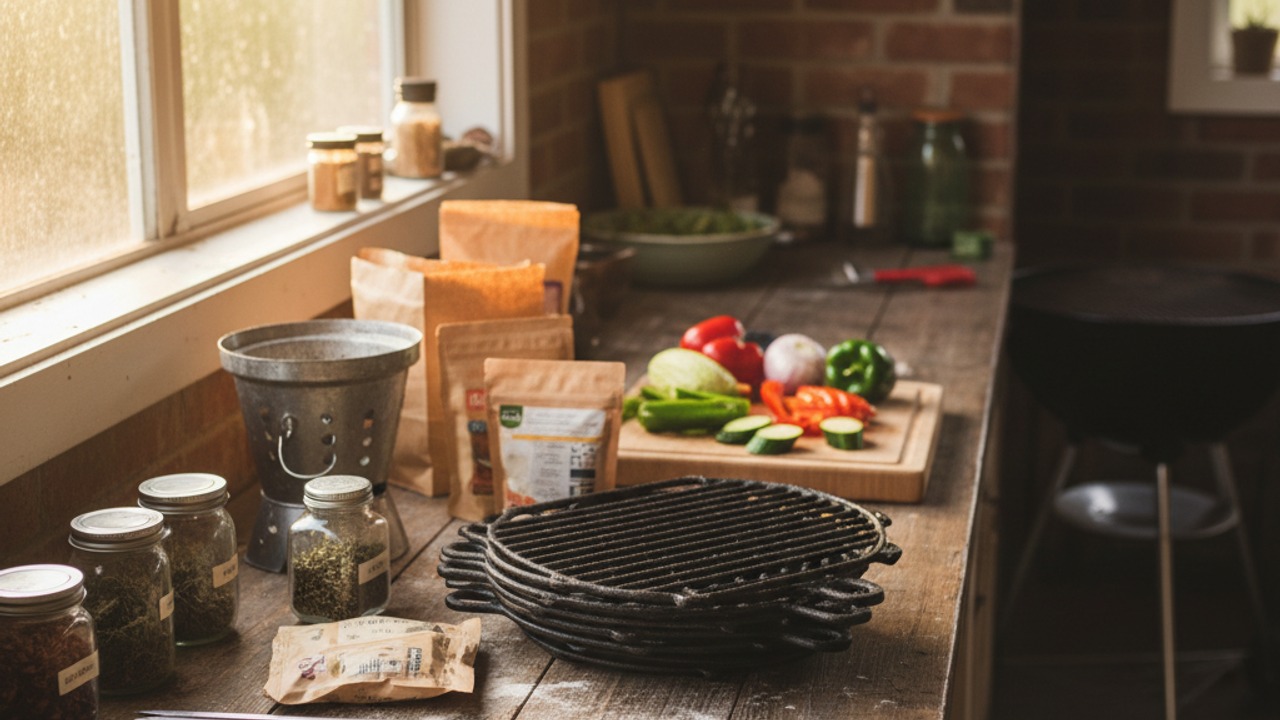
Labor Day DIY Grill Kits
Eight themed, make-ahead grill-kit templates to assemble before Labor Day weekend — designed for last-minute hosts and tailgaters. Each kit includes balanced menu suggestions, shopping lists, packaging/labeling tips, final-grill instructions, and a printable food-safety timeline to hand to guests.
Guides
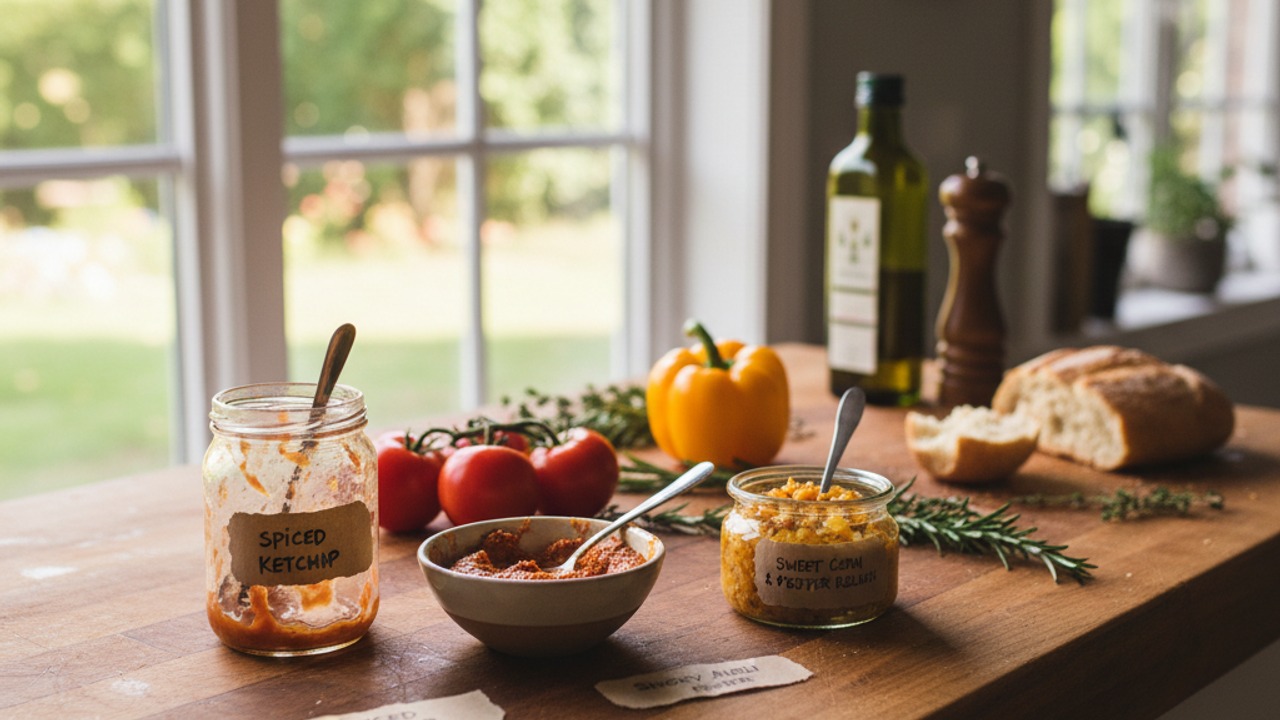
Seasonal Labour Day Condiment Kit
Stock your Labour Day cookout with a dozen make-ahead condiments built around corn, peaches and late-summer tomatoes. This guide gives flavor-forward condiment ideas, pairing notes, scaling rules for potlucks and a one-page shopping + prep timeline so hosts can relax on the day of.
Guides
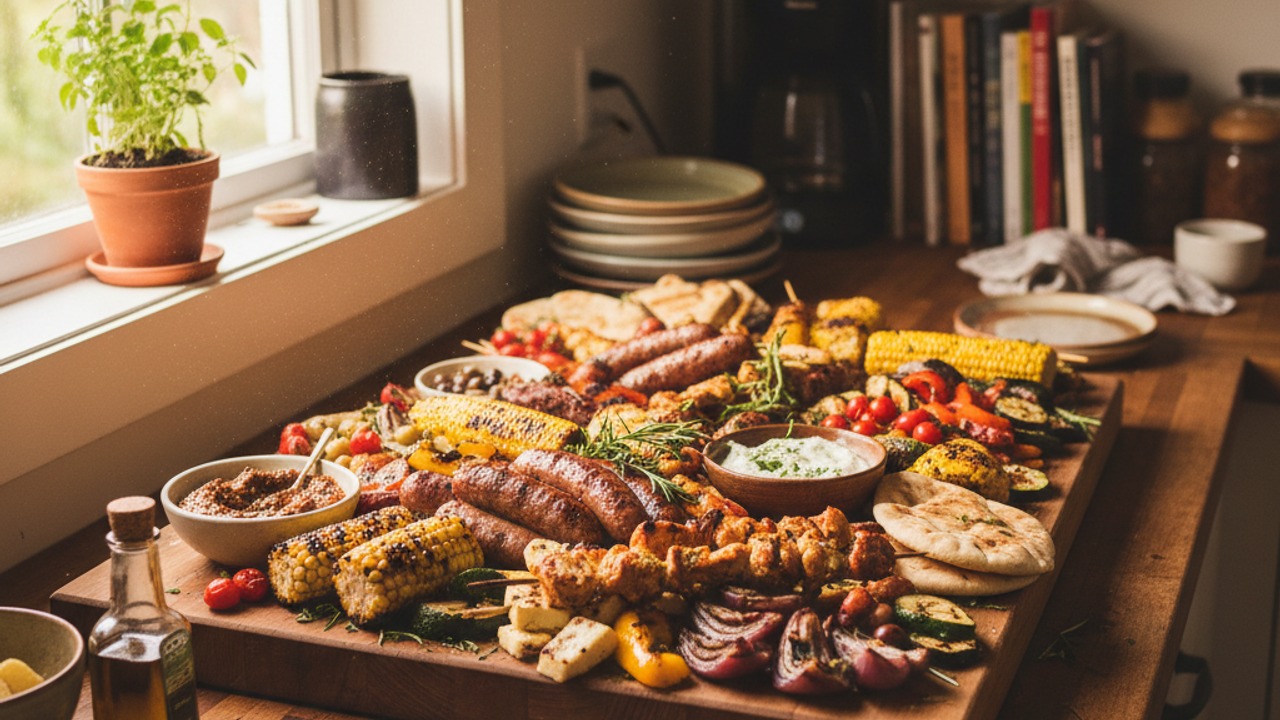
Labour Day Grilled Grazing Boards
Elevate your end-of-summer cookout with 12 charred, smoky grazing-board menus built around grilled fruits, cheeses, quick proteins and portable skewers. Each board includes make-ahead timelines, transport and packing tips for potlucks, and smart pairing ideas to keep your Labour Day spread effortless and crowd-pleasing.
More from Stovetop
View all Stovetop recipes →
One-Pot Beef Bolognese

Stovetop Dutch-Oven Herb-Crusted Beef Roast with Pan Gravy

Dubai Tacos

Italian-Style Pot Roast with Tomatoes Olives and Fresh Herbs

Labor Day Grilled Lobster Rolls with Charred Scallion Brown Butter & Lemon‑Herb Aioli

Hainanese Chicken Rice

Pad Krapow Pork

Twice-Fried Restaurant Style Crispy Sweet Potato Fries (Stovetop Deep Fry)

Xiao Long Bao Soup Dumplings
Ask me anything about this recipe — substitutions, scaling, techniques, timing.
Powered by AI · 6 questions per 5 minutes, 30 per day