Parker House Rolls
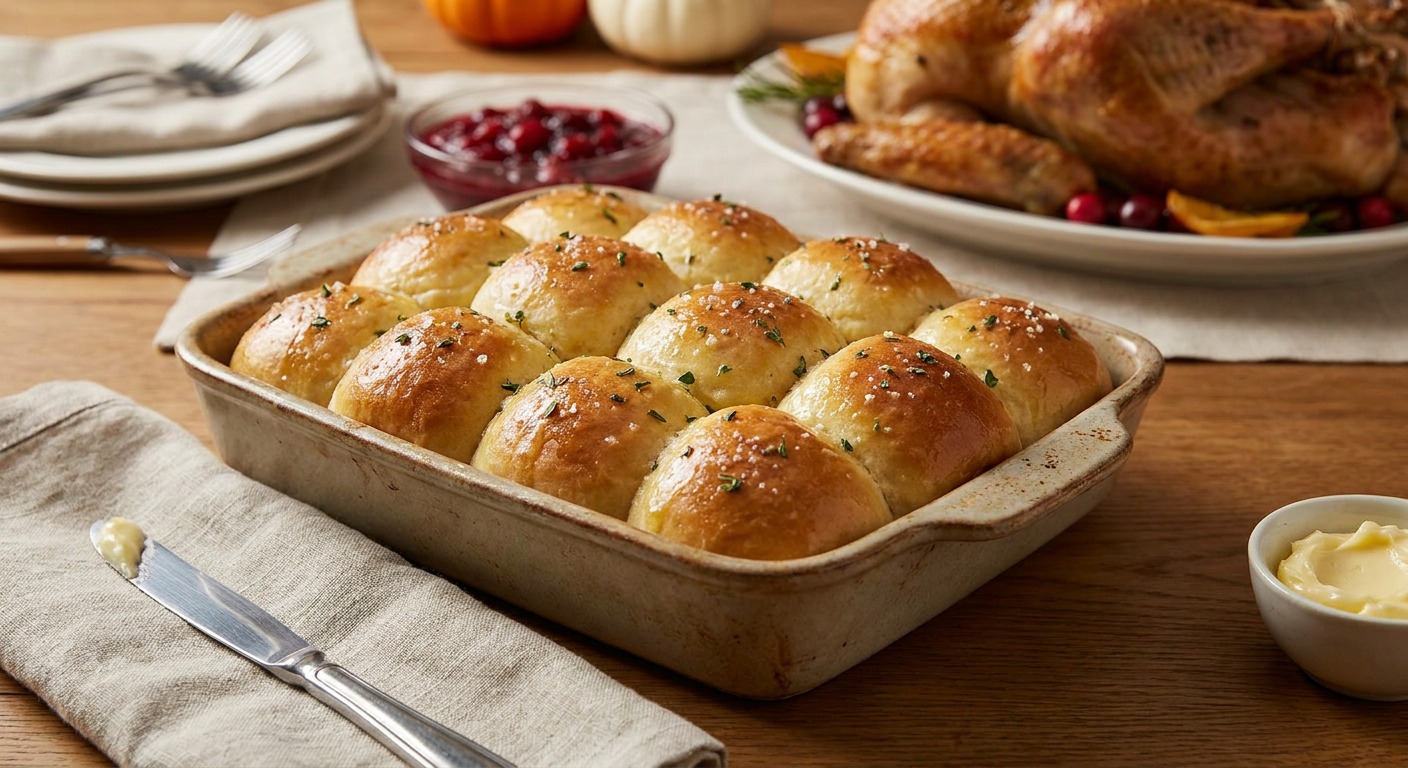
Classic Parker House rolls: soft, buttery folded dinner rolls with a crisp, slightly sweet crust — a Thanksgiving table must. These make-ahead-friendly rolls are comforting to shape and bake, and they pull apart perfectly for serving family-style.
Jake Woods's note
"These rolls shine on a holiday table or alongside weeknight roast dinners — they’re pillowy inside with a buttery folding technique everyone loves. Home cooks will appreciate the straightforward steps and a make-ahead option for a less-stress holiday."
About This Recipe
Parker House rolls are the kind of small, folded dinner roll that feel like an event even when they're everyday. Their signature is a soft, pillowy interior framed by a thin, slightly crisp and gently sweetened crust where the two folded layers meet — a buttery seam that invites pulling apart and piling onto the plate. This version leans into a tender crumb through the addition of a single egg and a two-stage butter treatment (softened in the dough, melted for brushing), giving each roll a glossy, melt-in-the-mouth finish with a pleasantly browned exterior.
What makes this recipe work for home bakers is its balance of simplicity and technique: the dough comes together quickly, the shaping is almost meditative, and the 9x13 pan pull-apart presentation is forgiving for uneven cutters. Small details — warming milk to 105–110°F to bloom the yeast, keeping the dough slightly tacky, and brushing right after baking — make measurable differences in texture and flavor. If you bake for holidays or weeknight dinners, these rolls are flexible enough to be made ahead, frozen, or adapted with herbs or sweet honey finishes while still delivering that classic Parker House comfort.
Ingredients for Parker House Rolls
- 3/4 cup Whole milk, warmed to 105–110°F (40–43°C)
- 1 packet Active dry yeast (1 packet)
- 2 tablespoons Granulated sugar
- 2 1/4 cups All-purpose flour
- 1 teaspoon Fine sea salt
- 3 tablespoons Unsalted butter (softened, for dough)
- 1 large Large egg
- 2 tablespoons Unsalted butter (melted, for brushing)
How to Make Parker House Rolls
Step 1: Proof the yeast
Warm the milk to about 105–110°F (40–43°C). Stir the sugar into the milk, sprinkle the yeast over the surface, and let sit 5–10 minutes until foamy and fragrant to confirm the yeast is active.For this step
- 3/4 cupWhole milk, warmed to 105–110°F (40–43°C)
- 1 packetActive dry yeast (1 packet)
- 2 tablespoonsGranulated sugar
Step 2: Combine dry ingredients and add enrichments
Whisk the flour and salt in a large bowl (or bowl of a stand mixer). Add the softened butter and egg, then pour in the foamy yeast mixture. Mix until the ingredients come together into a shaggy dough.For this step
- 2 1/4 cupsAll-purpose flour
- 1 teaspoonFine sea salt
- 1 largeLarge egg
Step 3: Knead until smooth
Knead by hand on a lightly floured surface for 6–8 minutes or use a stand mixer with a dough hook for 4–5 minutes, until the dough is smooth, elastic, and slightly tacky. Shape into a ball and transfer to a lightly greased bowl, turning once to grease the top.Step 4: First rise
Cover the bowl with plastic wrap or a clean towel and let rise in a warm, draft-free spot until doubled in size, about 60–75 minutes depending on room temperature.Step 5: Shape Parker House folds
Punch the dough down and turn it out onto a lightly floured surface. Roll to a 9x12-inch (23x30 cm) rectangle about 1/4-inch thick. Brush the surface lightly with about half the melted butter, fold the dough in half lengthwise, then use a floured cutter or glass to cut rounds. Place rounds cut-side up (or slightly overlapping if you prefer pull-apart rolls) on a greased 9x13-inch baking pan, cover, and let rise until puffy, about 30–40 minutes.Step 6: Bake and finish
Preheat the oven to 375°F (190°C). Bake the rolls 12–15 minutes until golden brown. As soon as they come out of the oven, brush with the remaining melted butter. Serve warm; rolls are best the day made but can be reheated wrapped in foil.


- Warm the milk to about 105–110°F (40–43°C). Stir the sugar into the milk, sprinkle the yeast over the surface, and let sit 5–10 minutes until foamy and fragrant to confirm the yeast is active.
- Whisk the flour and salt in a large bowl (or bowl of a stand mixer). Add the softened butter and egg, then pour in the foamy yeast mixture. Mix until the ingredients come together into a shaggy dough.
- Knead by hand on a lightly floured surface for 6–8 minutes or use a stand mixer with a dough hook for 4–5 minutes, until the dough is smooth, elastic, and slightly tacky. Shape into a ball and transfer to a lightly greased bowl, turning once to grease the top.
- Cover the bowl with plastic wrap or a clean towel and let rise in a warm, draft-free spot until doubled in size, about 60–75 minutes depending on room temperature.
- Punch the dough down and turn it out onto a lightly floured surface. Roll to a 9x12-inch (23x30 cm) rectangle about 1/4-inch thick. Brush the surface lightly with about half the melted butter, fold the dough in half lengthwise, then use a floured cutter or glass to cut rounds. Place rounds cut-side up (or slightly overlapping if you prefer pull-apart rolls) on a greased 9x13-inch baking pan, cover, and let rise until puffy, about 30–40 minutes.
- Preheat the oven to 375°F (190°C). Bake the rolls 12–15 minutes until golden brown. As soon as they come out of the oven, brush with the remaining melted butter. Serve warm; rolls are best the day made but can be reheated wrapped in foil.
Parker House Rolls Tips
Warm Milk, Not Hot
Heat the milk to 105–110°F; hotter liquid will kill the yeast while cooler liquid slows activity — use an instant-read thermometer for accuracy.
Look for Foamy Yeast
Allow 5–10 minutes for the yeast to bloom; a foamy, yeasty surface confirms vitality and avoids a failed rise later.
Knead to Smoothness
Knead until the dough is elastic and slightly tacky—about 6–8 minutes by hand or 4–5 in a mixer—so you get a light, open crumb instead of dense rolls.
Butter Twice for Contrast
Brush melted butter before folding for flavor at the seam and again right out of the oven for shine and a tender crust.
Flour Your Cutter Lightly
Dust the cutter or glass with flour each time you press rounds to prevent sticking and to keep the edges neat for even baking.
Parker House Rolls Variations and Substitutions
Herb and Garlic Rolls
Mix 1–2 teaspoons finely chopped fresh herbs (rosemary, thyme, or chives) into the softened butter before brushing, and add a small clove of grated garlic for savory rolls.
Honey-Enriched Sweet Rolls
Replace 1 tablespoon of the granulated sugar with honey and brush the tops with a honey-butter glaze (1 tablespoon honey + 1 tablespoon melted butter) for a sweeter, stickier crust.
Part-Whole Wheat Swap
Replace up to 1 cup of the all-purpose flour with white whole wheat for nuttier flavor and slightly firmer texture, increasing liquid by 1–2 tablespoons if needed.
Dairy-Free Alternative
Use a full-fat unsweetened plant milk warmed to temperature and substitute vegan butter both in the dough and for brushing; texture will be slightly softer but still rich.
How to Store and Make Parker House Rolls Ahead
Store cooled rolls in an airtight container or zipped bag at room temperature for up to 2 days; refrigeration will speed staling. For longer storage, freeze cooled rolls in a single layer on a sheet pan, then transfer to a freezer bag for up to 3 months; reheat wrapped in foil at 300°F until warmed through or microwave briefly with a damp paper towel for immediate serving.
What to Serve With Parker House Rolls
Serve warm from the pan with softened compound butter (parsley-garlic or honey-cinnamon are both excellent) and place them alongside roast turkey, braised short ribs, or a creamy soup. For a casual dinner, split a roll and use it for mini turkey or pulled pork sliders; pair with hard cider, a light-bodied white wine, or a malty amber beer to complement the buttery richness.
Parker House Rolls FAQs
Can I make the dough the night before?
Yes — after the first brief rise you can punch the dough down, cover tightly, and refrigerate overnight; shape and allow a longer room-temperature second rise before baking the next day.
My rolls came out dense; what went wrong?
Dense rolls often result from underproofing, too much flour, or insufficient kneading; check that the yeast was active, the dough rose until nearly doubled, and you kneaded until elastic and slightly tacky.
Can I use instant yeast instead of active dry yeast?
Yes — you can mix instant yeast directly into the dry ingredients and skip the proofing step, but the dough may rise faster so watch closely and reduce first-rise time as needed.
Should I brush the rolls with butter before or after baking?
Do both: a light brush of melted butter before folding flavors the interior seam, and brushing immediately after baking gives shine, a tender crust, and extra richness.
Can I freeze shaped but unbaked rolls?
You can freeze the shaped pan well-wrapped; when ready, thaw in the refrigerator overnight, then let come to room temperature and complete the rise before baking for best results.
About the author
Jake WoodsHello, I'm Jake. I started this recipe site with the idea that I hated recipe websites that overwhelm you with long stories and ads just to see plain content that's not helpful. My goal is to provide you with quality recipes, simple ideas and a fun cooking experience. There's lots of fun things to cook, and I think as you browse the site you'll find that TopShelf.Recipes is the place for quality recipes on the web.
See all recipes by Jake Woods →Ratings & Reviews
Did you make this recipe?
Be the first to share your experience.
Nutrition Facts
Per serving: 1 serving
Nutrition values are estimated from USDA ingredient data and may vary based on preparation, brands, and portion sizes. Values are provided for informational purposes only.
Keep Reading
Guides & articles for this recipe
Tips & Techniques
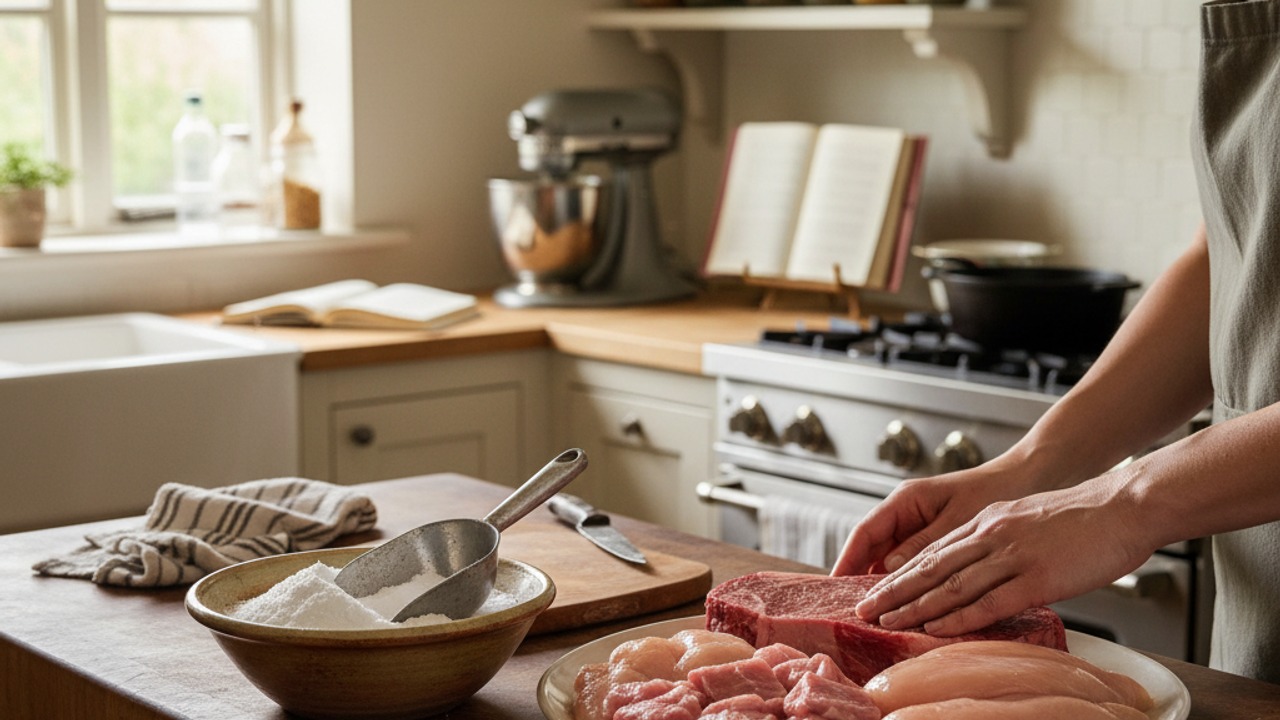
Baking Soda and Tenderized Beef
Learn how baking soda can tenderize, boost browning, and improve moisture for ground beef and other meats. This practical guide covers the science, step-by-step techniques, common mistakes, and recipes to try.

Healthy Eating
Gluten-Free Weeknight Grilling Plan
A 7-day gluten-free weeknight grilling plan with quick, family-friendly recipes, prep-ahead timelines, and a printable shopping list that spotlights late-summer produce and pantry staples. Includes clear cross-contamination safety tips and simple swaps to keep dinners fast and crowd-pleasing.

Healthy Eating
Low-Fat Grill Swaps for Big Flavor
A practical guide to trimming fat from grilled meals without losing juiciness or char. Learn yogurt- and citrus-based marinades, lean protein picks, searing and indirect-heat tricks, plus 5 quick low-fat marinades and a simple weeknight plan.
More from Baking
View all Baking recipes →
Cloud Bread Sandwiches

Honey Mustard Chicken Nuggets

Cheddar Jalapeño Corn Muffins

Basque Burnt Cheesecake

30-Minute Sticky Baked Honey Garlic Chicken Thighs with Crisp Edges

Lemon Butter Salmon

Spritz Cookies

Brown Butter Vanilla Syrup

Honey Glazed Easter Ham
Ask me anything about this recipe — substitutions, scaling, techniques, timing.
Powered by AI · 6 questions per 5 minutes, 30 per day