Slow-Braised Pork Shoulder Ragu with Pappardelle and Crispy Sage
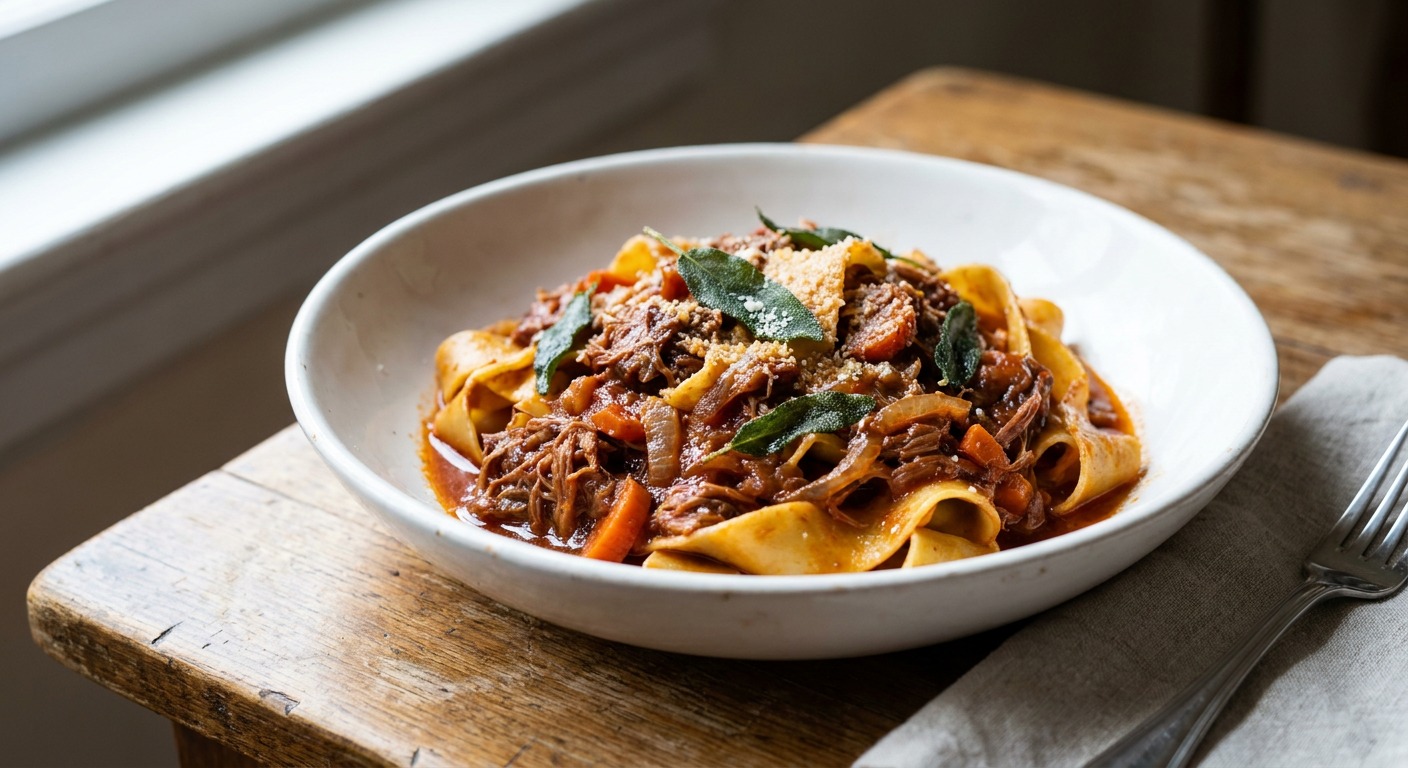
A cozy, slow-braised pork shoulder ragu: bone-in pork becomes fork-tender in a tomato-and-red-wine sauce, then is shredded and spooned over wide pappardelle. Finished with crispy fried sage and grated Parmesan for an elegant but homey weeknight or weekend dinner.
Ingredient Spotlight
Bone-in pork shoulder (Boston butt)
A large, well-marbled cut from the upper shoulder of the pig — the historic term “Boston butt” is American in origin and refers to that specific portion. It’s rich and fatty with lots of connective tissue that breaks down during long braises or slow roasts, giving a deeply savory, slightly sweet pork flavor and a gelatinous mouthfeel. Find it at supermarket meat counters or a butcher (ask for pork shoulder, butt, or shoulder blade roast); a good substitute is boneless pork shoulder/pork butt or a pork picnic roast, though cooking times and fat content may vary.
Ingredient Spotlight
Wide pappardelle
Pappardelle are very wide, flat ribbon noodles from Italy (commonly Tuscany) traditionally served with hearty meat ragùs; they’re made from durum wheat (or egg pasta when fresh) and have a neutral, wheaty flavor with a substantial, silky chew. You’ll find dried pappardelle in the pasta aisle or fresh in the refrigerated section of grocery stores and Italian markets; reasonable substitutes are tagliatelle, fettuccine, or fresh pasta sheets cut into wide ribbons to match the sauce-to-pasta ratio.
Jake Woods's note
"This ragu rewards time: the low, slow braise builds deep tomato-and-wine flavor while the bone keeps the pork moist. It’s perfect for a relaxed Sunday dinner or for making ahead and freezing for busy weeknights."
About This Recipe
Slow-braised pork shoulder ragu is the kind of dish that rewards patience with layers of deep, meaty flavor and an almost silky sauce. Using a bone-in Boston butt gives you more collagen and a touch of marrow perfume that dissolves into the tomato-and-red-wine braise, creating a glossy finish that clings to wide pappardelle; the broad ribbons carry both tender shards of pork and pockets of sauce in every bite. Browning the meat and properly caramelizing the aromatics aren’t optional here—they build the savory backbone, and a thoughtful reduction concentrates sweetness without becoming cloying.
This version is deliberately both rustic and refined: the long cook time produces fork-tender shreds while a final, quick reduction tightens the sauce to a spoonable ragu. Crispy fried sage introduces a bright, herbal crunch that contrasts the richness, and freshly grated Parmesan lends salty umami. It’s ideal for cooks who want a communal, slow-cooked centerpiece that’s forgiving—use the stovetop when you want control over reduction or the slow cooker for hands-off convenience—and it improves a day after cooking, making it perfect for make-ahead dinners or casual entertaining.
Ingredients for Slow-Braised Pork Shoulder Ragu with Pappardelle and Crispy Sage
- 4 lb Bone-in pork shoulder (Boston butt)
- 2 tsp (total, divided) Kosher salt and freshly ground black pepper
- 3 tbsp Olive oil
- 2 cups (chopped) Aromatics: 1 large onion, 1 large carrot, 2 celery stalks and 4 garlic cloves, finely chopped (about 2 cups)
- 2 tbsp Tomato paste
- 1 can (28 oz) Crushed tomatoes
- 2 1/2 cups (total) Liquids: 1½ cups dry red wine + 1 cup low-sodium chicken stock (use stock/water if you prefer no alcohol)
- 1 tsp oregano + 1 bay leaf Herbs: 1 tsp dried oregano and 1 bay leaf
- 12 oz Wide pappardelle
- 1 about 20 leaves + 3/4 cup cheese Fresh sage leaves (about 20) and freshly grated Parmesan (3/4 cup / 75 g)
How to Make Slow-Braised Pork Shoulder Ragu with Pappardelle and Crispy Sage
Step 1: Season and brown the pork
Pat the pork shoulder dry and season generously with half the salt and pepper. Heat the oil in a large heavy Dutch oven over medium-high heat until shimmering, then brown the pork 4–5 minutes per side until deep golden; work in batches if needed. Transfer the pork to a plate and reserve the fond (browned bits) in the pot.For this step
- 4 lbBone-in pork shoulder (Boston butt)
- 3 tbspOlive oil
Step 2: Cook the aromatics and tomato paste
Reduce heat to medium, add the chopped aromatics and a pinch of salt, and cook, stirring, until softened and lightly caramelized, about 8–10 minutes. Stir in the tomato paste and cook 1–2 minutes to remove rawness, then add the crushed tomatoes and scrape up any browned bits from the bottom of the pot.For this step
- 2 cups (chopped)Aromatics: 1 large onion, 1 large carrot, 2 celery stalks and 4 garlic cloves, finely chopped (about 2 cups)
- 2 tbspTomato paste
- 1 can (28 oz)Crushed tomatoes
Step 3: Deglaze, add liquids and braise (stovetop or slow cooker)
Pour in the red wine and simmer 2–3 minutes to reduce slightly, then stir in the chicken stock, oregano, bay leaf and the remaining salt and pepper. Return the pork (and any accumulated juices) to the pot. For stovetop: bring to a gentle simmer, cover partially, reduce heat to low and simmer gently for 2–2½ hours until meat is fork-tender. For slow cooker: transfer the contents to a 6–7 qt slow cooker and cook on Low 7–8 hours or High 4–5 hours. The pork is ready when it pulls apart easily with a fork and the bone loosens.For this step
- 2 1/2 cups (total)Liquids: 1½ cups dry red wine + 1 cup low-sodium chicken stock (use stock/water if you prefer no alcohol)
- 1 tsp oregano + 1 bay leafHerbs: 1 tsp dried oregano and 1 bay leaf
Step 4: Remove bone, shred pork and concentrate the sauce
Using tongs, lift the pork onto a cutting board, remove and discard (or save) the bone, and let the meat rest 10 minutes. Shred with two forks or a stand mixer on low using the paddle until you have bite-sized strands. Skim excess fat from the sauce, then return shredded pork to the pot. To thicken: simmer uncovered on medium-low, stirring occasionally, until the sauce reduces to a glossy, spoonable ragu (15–30 minutes). If short on time, whisk 1 tbsp cornstarch into 1 tbsp cold water and stir into the simmering sauce until it thickens.Step 5: Cook the pappardelle
Bring a large pot of salted water to a rolling boil and cook the pappardelle until just shy of al dente (check package; usually 7–9 minutes). Reserve 1 cup (240 ml) pasta cooking water, then drain the pasta. Off heat, toss the pasta with several ladles of the hot ragu and a splash of reserved pasta water so the noodles are generously coated.For this step
- 12 ozWide pappardelle
Step 6: Make crispy sage and finish the dish
In a small skillet, heat 2 tbsp olive oil (or butter) over medium-high. Fry sage leaves in batches 10–20 seconds until crisp and darken slightly; drain on paper towels and lightly salt. Plate the pappardelle, spoon the pork ragu on top, sprinkle with grated Parmesan and tuck 2–3 crispy sage leaves into each portion for aroma and texture.For this step
- 1 about 20 leaves + 3/4 cup cheeseFresh sage leaves (about 20) and freshly grated Parmesan (3/4 cup / 75 g)
Step 7: Make-ahead, freezing and reheating tips
The ragu improves overnight—refrigerate in an airtight container up to 3–4 days. To freeze, cool completely, portion into freezer containers or bags and freeze up to 3 months. Reheat gently in a saucepan over low heat with a splash of stock or water to loosen; if frozen solid, thaw in the refrigerator overnight first. Cook fresh pasta to serve, or toss reheated ragu with reheated or quick-cooked noodles and a splash of pasta water.


- Pat the pork shoulder dry and season generously with half the salt and pepper. Heat the oil in a large heavy Dutch oven over medium-high heat until shimmering, then brown the pork 4–5 minutes per side until deep golden; work in batches if needed. Transfer the pork to a plate and reserve the fond (browned bits) in the pot.
- Reduce heat to medium, add the chopped aromatics and a pinch of salt, and cook, stirring, until softened and lightly caramelized, about 8–10 minutes. Stir in the tomato paste and cook 1–2 minutes to remove rawness, then add the crushed tomatoes and scrape up any browned bits from the bottom of the pot.
- Pour in the red wine and simmer 2–3 minutes to reduce slightly, then stir in the chicken stock, oregano, bay leaf and the remaining salt and pepper. Return the pork (and any accumulated juices) to the pot. For stovetop: bring to a gentle simmer, cover partially, reduce heat to low and simmer gently for 2–2½ hours until meat is fork-tender. For slow cooker: transfer the contents to a 6–7 qt slow cooker and cook on Low 7–8 hours or High 4–5 hours. The pork is ready when it pulls apart easily with a fork and the bone loosens.
- Using tongs, lift the pork onto a cutting board, remove and discard (or save) the bone, and let the meat rest 10 minutes. Shred with two forks or a stand mixer on low using the paddle until you have bite-sized strands. Skim excess fat from the sauce, then return shredded pork to the pot. To thicken: simmer uncovered on medium-low, stirring occasionally, until the sauce reduces to a glossy, spoonable ragu (15–30 minutes). If short on time, whisk 1 tbsp cornstarch into 1 tbsp cold water and stir into the simmering sauce until it thickens.
- Bring a large pot of salted water to a rolling boil and cook the pappardelle until just shy of al dente (check package; usually 7–9 minutes). Reserve 1 cup (240 ml) pasta cooking water, then drain the pasta. Off heat, toss the pasta with several ladles of the hot ragu and a splash of reserved pasta water so the noodles are generously coated.
- In a small skillet, heat 2 tbsp olive oil (or butter) over medium-high. Fry sage leaves in batches 10–20 seconds until crisp and darken slightly; drain on paper towels and lightly salt. Plate the pappardelle, spoon the pork ragu on top, sprinkle with grated Parmesan and tuck 2–3 crispy sage leaves into each portion for aroma and texture.
- The ragu improves overnight—refrigerate in an airtight container up to 3–4 days. To freeze, cool completely, portion into freezer containers or bags and freeze up to 3 months. Reheat gently in a saucepan over low heat with a splash of stock or water to loosen; if frozen solid, thaw in the refrigerator overnight first. Cook fresh pasta to serve, or toss reheated ragu with reheated or quick-cooked noodles and a splash of pasta water.
Slow-Braised Pork Shoulder Ragu with Pappardelle and Crispy Sage Tips
Brown in Batches
Don’t overcrowd the Dutch oven—give each side room so the meat gets a deep crust; overcrowding steams the pork and prevents the fond that flavors the sauce.
Deglaze and Scrape
When you pour in the wine, scrape the browned bits off the bottom with a wooden spoon; that dissolved fond is concentrated flavor you don’t want to lose.
Shred with Care
Let the pork rest 10 minutes before shredding so it holds some structure; use two forks or a stand mixer on low for consistent strands without turning the meat into mush.
Skim Fat Early
After removing the bone, let the sauce sit briefly and spoon off excess fat or refrigerate and lift the solidified fat for a leaner ragu that still tastes rich.
Use Pasta Water
Reserve a cup of starchy pasta water and add a splash when tossing—its starch helps emulsify the sauce so it clings to the pappardelle.
Fry Sage Quickly
Heat oil until shimmering and fry leaves 10–20 seconds; they crisp fast—don’t crowd the pan or they’ll steam and lose their snap.
Slow-Braised Pork Shoulder Ragu with Pappardelle and Crispy Sage Variations and Substitutions
Boneless Shoulder
Use a boneless pork shoulder for easier carving and slightly faster shredding—reduce stovetop braise time by 20–30 minutes and check for tenderness earlier.
Pancetta and Pork Combo
Start with 3–4 oz diced pancetta rendered with the aromatics for extra porky depth and saltiness; proceed with the shoulder as directed for a richer base.
Tomato-Light Ragu
If you prefer less tomato, halve the crushed tomatoes and add another cup of stock plus a splash of balsamic or a grated carrot for sweetness to keep body and balance.
Mushroom 'Pork' Ragu (Vegetarian)
Swap shredded pork for a mix of finely chopped king oyster and cremini mushrooms sautéed until deeply browned and finish with the same reduction and herbs for an umami-forward vegetarian option.
Gluten-Free Pasta
Use wide gluten-free pappardelle or brown-rice tagliatelle and be mindful that cook times can vary—toss gently with sauce to avoid breakage.
How to Store and Make Slow-Braised Pork Shoulder Ragu with Pappardelle and Crispy Sage Ahead
Refrigerate cooled ragu in an airtight container for up to 3–4 days; the flavor typically improves after a day. For longer storage, portion and freeze up to 3 months—thaw overnight in the refrigerator before reheating. Reheat gently over low heat with a splash of stock or reserved pasta water to loosen the sauce; cook fresh pasta just before serving for best texture.
What to Serve With Slow-Braised Pork Shoulder Ragu with Pappardelle and Crispy Sage
Serve alongside a simple bitter salad (radicchio, arugula, shaved fennel) dressed with lemon and olive oil to cut the richness, or creamy polenta for a comforting alternative. A rustic loaf or grilled focaccia soaks up extra sauce, and medium-bodied Italian reds like Chianti Classico or Sangiovese complement the tomato and pork flavors beautifully.
Slow-Braised Pork Shoulder Ragu with Pappardelle and Crispy Sage FAQs
Can I use boneless pork shoulder instead of bone-in?
Yes—boneless will work and is easier to shred; reduce braising time slightly and check for fork-tenderness earlier since bones add insulating mass that slows cooking.
How do I know the pork is done?
The pork is ready when a fork slides through with almost no resistance and the bone loosens; it should pull apart easily into moist strands rather than shredding into dry bits.
My sauce is too thin—how can I thicken it?
Simmer uncovered until reduced and glossy, stirring occasionally; if you’re short on time, whisk 1 tablespoon cornstarch with 1 tablespoon cold water and stir in until glossy and thickened.
What’s the point of reserving pasta water?
Starchy pasta water helps the sauce emulsify and cling to the noodles, smoothing and loosening the ragu without watering down flavor.
How do I reduce excess fat in the finished ragu?
Spoon off floating fat after the braise or chill the sauce briefly so the fat solidifies on top and can be lifted off; you can also skim with paper towels held over the surface.
Can I make this entirely in a slow cooker?
Yes—brown the pork and cook the aromatics first for best flavor, then transfer everything to a 6–7 qt slow cooker and cook on Low 7–8 hours or High 4–5 hours until the meat pulls apart.
About the author
Jake WoodsHello, I'm Jake. I started this recipe site with the idea that I hated recipe websites that overwhelm you with long stories and ads just to see plain content that's not helpful. My goal is to provide you with quality recipes, simple ideas and a fun cooking experience. There's lots of fun things to cook, and I think as you browse the site you'll find that TopShelf.Recipes is the place for quality recipes on the web.
See all recipes by Jake Woods →Ratings & Reviews
Did you make this recipe?
Be the first to share your experience.
Nutrition Facts
Per serving: 4 oz shoulder
Nutrition values are estimated from USDA ingredient data and may vary based on preparation, brands, and portion sizes. Values are provided for informational purposes only.
Keep Reading
Guides & articles for this recipe
Tips & Techniques
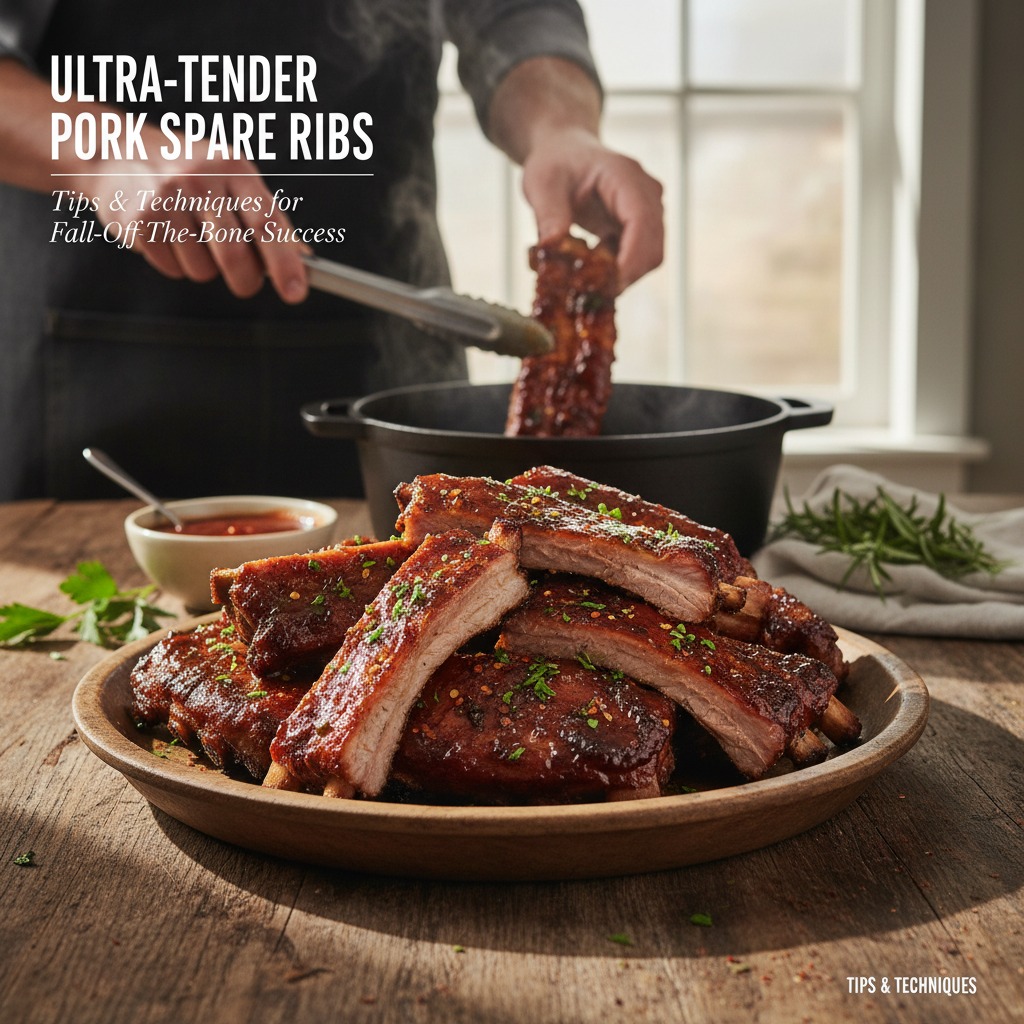
Ultra-Tender Pork Spare Ribs: Tips & Techniques for Fall-Off-the-Bone Success
Master the craft of ultra-tender pork spare ribs with practical, no-nonsense techniques for selecting, prepping, smoking, and finishing. This guide focuses on what matters—temperature control, testing for doneness, wrapping choices, and common fixes—so your next rack comes out juicy, tender, and perfectly sauced.

Guides
The Year's Most Popular Seasonal Recipes: 12 Crowd-Pleasing Dishes (One for Each Month) with Grilling & Campfire Twists
A month-by-month roundup of 12 of the most-searched seasonal hits and how to transform each for the grill, smoker, or campfire. Practical adaptation tips, smart swaps, make‑ahead notes, and plating ideas to elevate outdoor gatherings year-round.

Healthy Eating
Gluten-Free Weeknight Grilling Plan
A 7-day gluten-free weeknight grilling plan with quick, family-friendly recipes, prep-ahead timelines, and a printable shopping list that spotlights late-summer produce and pantry staples. Includes clear cross-contamination safety tips and simple swaps to keep dinners fast and crowd-pleasing.
More from Pork
View all Pork recipes →
Coffee-Chile Rubbed Pork Tenderloin with Charred Peach Salsa and Cilantro-Lime Rice

Porchetta-Style Rolled Pork Belly with Crispy Crackling and Sage-Pancetta Herb Filling

Sheet-Pan Mustard-Herb Pork Tenderloin with Roasted Sweet Potatoes and Garlic-Parmesan Pan Sauce

Smoked Pork Tenderloin with White-Bean Mash

Potato-Chip-Crusted Pork Schnitzel Bowl

Grilled Pineapple and Rum-Glazed Pork Tenderloin

Korean Grilled Pork Collar Steaks (Moksal) with Gochujang-Honey Glaze and Quick Cucumber Kimchi

Cider-Braised Pork Shoulder with Apples

Hickory-Smoked Pork Shoulder Burnt Ends with Bourbon-Maple Glaze
Ask me anything about this recipe — substitutions, scaling, techniques, timing.
Powered by AI · 6 questions per 5 minutes, 30 per day