Smoked Pork Tenderloin with White-Bean Mash
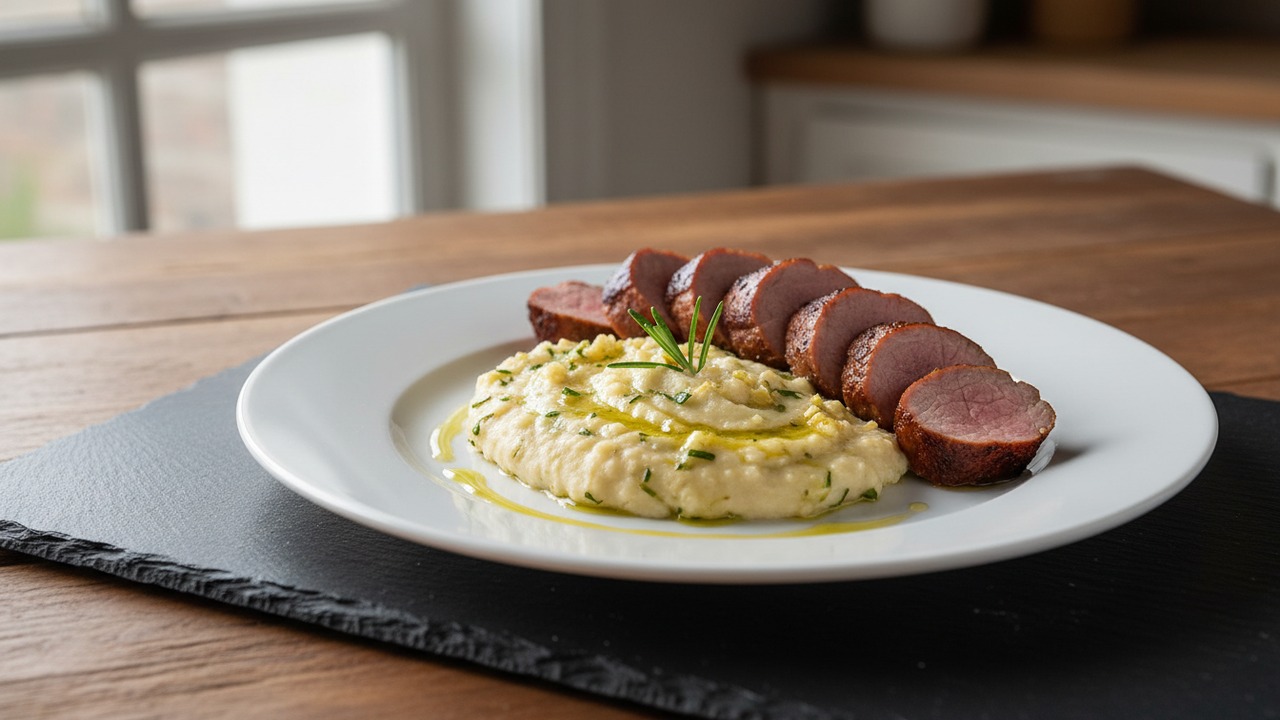
Lean pork tenderloins are brined for juiciness, gently smoked over pellets or charcoal, then given a quick high-heat sear for a caramelized crust. Served with a protein-forward white‑bean mash brightened with garlic, rosemary and Greek yogurt for a filling, dinner-ready plate.
Jake Woods's note
"This dish shines for casual dinner guests or a weekend family meal — the brine keeps the tenderloin exceptionally juicy and the bean mash is hearty enough to carry the plate. Make the mash ahead to cut hands-on time on the night you smoke."
About This Recipe
This smoked pork tenderloin with white‑bean mash is built around contrasts: the pork is brined for juiciness, gently coaxed with a mild smoke and then slammed on high heat for a caramelized crust, while the bean mash is creamy, tangy and studded with garlic and rosemary. The gentle smoke layer amplifies the pork’s sweetness without masking it, and the mash—richened with Greek yogurt—acts as a protein-forward, lower-starch alternative to potatoes that catches pan juices and keeps each bite balanced.
It’s the kind of weeknight-to-weekend recipe that looks thoughtful without demanding an all-day commitment. Brining for just 1½–3 hours protects the tenderloin from drying out, and finishing on a screaming-hot skillet gives restaurant-worthy color. Make the mash ahead to streamline the evening, and choose fruitwoods like apple or cherry for smoking if you want a softer, more complementary aromatics profile; stronger woods like hickory will push the pork into bolder territory.
Ingredients for Smoked Pork Tenderloin with White-Bean Mash
- 2 each Pork tenderloins
- 1/2 cup Kosher salt (for brine)
- 1/4 cup Brown sugar (for brine)
- 6 cups Cold water (for brine)
- 4 cloves Garlic cloves
- 3 sprigs Fresh rosemary
- 2 15-oz can Canned white beans (cannellini or navy), drained
- 1/2 cup Greek yogurt (plain)
- 2 tbsp Olive oil
- 1 tsp Black pepper (freshly ground)
How to Make Smoked Pork Tenderloin with White-Bean Mash
Step 1: Brine the tenderloins
In a large container, dissolve the kosher salt and brown sugar in the cold water. Add 3 garlic cloves (reserve 1 for the mash) and 2 rosemary sprigs, then submerge the pork tenderloins. Refrigerate for 1½–3 hours (2 hours is a good balance for tenderloins ~1 lb each) — this adds juiciness without over-salting. Remove from brine, pat dry thoroughly and let sit 20 minutes at room temperature before smoking.For this step
- 2 eachPork tenderloins
- 1/2 cupKosher salt (for brine)
- 1/4 cupBrown sugar (for brine)
- 6 cupsCold water (for brine)
- 4 clovesGarlic cloves
Step 2: Make the protein-forward white‑bean mash (make-ahead)
Reserve 1 garlic clove and 1 small rosemary sprig before brining and finely chop the rosemary. In a skillet over medium heat, warm 1 tbsp olive oil and gently sauté the garlic for 30–45 seconds until fragrant. Add the drained white beans and warm through, then transfer to a bowl and mash to a coarse puree. Stir in the Greek yogurt, remaining 1 tbsp olive oil, chopped rosemary and freshly ground black pepper to taste; chill for up to 3 days or refrigerate while you smoke the pork. Reheat gently on the stovetop with a splash of water or olive oil if serving warm.For this step
- 2 15-oz canCanned white beans (cannellini or navy), drained
- 1/2 cupGreek yogurt (plain)
- 2 tbspOlive oil
- 1 tspBlack pepper (freshly ground)
Step 3: Smoke the tenderloins
Preheat your pellet or charcoal smoker to 225–250°F (107–121°C). Lightly oil the tenderloins and season with a little fresh pepper (they’re already brined). Place on the smoker and cook until the internal temperature reaches about 125°F (52°C), roughly 35–50 minutes depending on thickness — use an instant-read probe for best results. This low-and-slow smoke builds flavor without overcooking the lean meat.Step 4: Finish with a high‑heat sear
Heat a cast-iron skillet over high heat with a thin film of oil or prepare very hot grill grates. Sear the smoked tenderloins 1–2 minutes per side until well-browned, while monitoring temperature; finish until the internal temperature registers 145°F (63°C). The quick sear gives a caramelized crust while bringing the centre to the safe, juicy doneness recommended for pork.Step 5: Rest and slice
Tent the tenderloins and rest for 8–10 minutes so juices redistribute (carryover will bring the temperature up slightly). Slice into medallions about 1/2-inch thick and arrange over a generous scoop of white‑bean mash. Drizzle with a little olive oil and garnish with a rosemary sprig.Step 6: Make-ahead and serving notes
The white‑bean mash can be made up to 3 days ahead and reheats gently on the stovetop or in the microwave with a splash of water or olive oil. Leftover sliced tenderloin reheats nicely in a hot skillet for 1–2 minutes per side or is delicious chilled in sandwiches or salads.


- In a large container, dissolve the kosher salt and brown sugar in the cold water. Add 3 garlic cloves (reserve 1 for the mash) and 2 rosemary sprigs, then submerge the pork tenderloins. Refrigerate for 1½–3 hours (2 hours is a good balance for tenderloins ~1 lb each) — this adds juiciness without over-salting. Remove from brine, pat dry thoroughly and let sit 20 minutes at room temperature before smoking.
- Reserve 1 garlic clove and 1 small rosemary sprig before brining and finely chop the rosemary. In a skillet over medium heat, warm 1 tbsp olive oil and gently sauté the garlic for 30–45 seconds until fragrant. Add the drained white beans and warm through, then transfer to a bowl and mash to a coarse puree. Stir in the Greek yogurt, remaining 1 tbsp olive oil, chopped rosemary and freshly ground black pepper to taste; chill for up to 3 days or refrigerate while you smoke the pork. Reheat gently on the stovetop with a splash of water or olive oil if serving warm.
- Preheat your pellet or charcoal smoker to 225–250°F (107–121°C). Lightly oil the tenderloins and season with a little fresh pepper (they’re already brined). Place on the smoker and cook until the internal temperature reaches about 125°F (52°C), roughly 35–50 minutes depending on thickness — use an instant-read probe for best results. This low-and-slow smoke builds flavor without overcooking the lean meat.
- Heat a cast-iron skillet over high heat with a thin film of oil or prepare very hot grill grates. Sear the smoked tenderloins 1–2 minutes per side until well-browned, while monitoring temperature; finish until the internal temperature registers 145°F (63°C). The quick sear gives a caramelized crust while bringing the centre to the safe, juicy doneness recommended for pork.
- Tent the tenderloins and rest for 8–10 minutes so juices redistribute (carryover will bring the temperature up slightly). Slice into medallions about 1/2-inch thick and arrange over a generous scoop of white‑bean mash. Drizzle with a little olive oil and garnish with a rosemary sprig.
- The white‑bean mash can be made up to 3 days ahead and reheats gently on the stovetop or in the microwave with a splash of water or olive oil. Leftover sliced tenderloin reheats nicely in a hot skillet for 1–2 minutes per side or is delicious chilled in sandwiches or salads.
Smoked Pork Tenderloin with White-Bean Mash Tips
Brine to the minute
Keep the brine window to 1½–3 hours for 1 lb tenderloins—longer risks an overly salty edge because these cuts are so lean and thin.
Pat and temper meat
Dry the pork thoroughly after brining and let it sit 20 minutes at room temperature so the smoke adheres evenly and the skillet sear browns instead of steaming.
Pull at lower temp
Remove the tenderloin from the smoker at about 125°F (52°C) so the quick sear and 8–10 minute rest bring it gently to the recommended 145°F without overcooking.
Build texture in mash
Reserve a few whole beans to fold in after mashing for a pleasing bite, and add liquid a tablespoon at a time so it doesn’t become gluey.
Choose mild smoking woods
Apple, cherry or pecan complement pork and rosemary; avoid strong hickory or mesquite unless you want a distinctly assertive smoke flavor.
Sear with confidence
Use a smoking-hot cast-iron pan and a high-smoke-point oil, and don’t move the tenderloin until a deep crust forms—1–2 minutes per side is usually enough.
Smoked Pork Tenderloin with White-Bean Mash Variations and Substitutions
Citrus‑herb pork
Add the zest of one lemon and a splash of lemon juice to the bean mash and finish the pork with a lemon‑rosemary pan sauce for a brighter profile.
Vegan swap: roasted cauliflower
Replace the pork with thick roasted cauliflower steaks smoked the same way and serve over the bean mash with toasted almonds for crunch.
Richer mash
Stir in a couple tablespoons of butter or crème fraîche in place of some yogurt for a silkier, more indulgent side that still complements the smoke.
No smoker method
Use a charcoal grill with a foil pouch of soaked wood chips tucked to one side for indirect smoke, or roast at 400°F and finish with a quick pan sear—add a teaspoon liquid smoke to the mash if you miss the smoky note.
How to Store and Make Smoked Pork Tenderloin with White-Bean Mash Ahead
Store sliced tenderloin and bean mash separately in airtight containers in the refrigerator for up to 3–4 days; the mash holds its texture well and can be refreshed with a splash of water or olive oil when reheating. Freeze the cooked pork tightly wrapped for up to 2 months and thaw overnight in the fridge before reheating. Reheat pork gently in a hot skillet 1–2 minutes per side to revive the crust and warm through, and warm the mash over low heat stirring frequently.
What to Serve With Smoked Pork Tenderloin with White-Bean Mash
Plate 3–4 medallions atop a generous spoonful of the white‑bean mash, finish with a drizzle of good olive oil and a small sprig of rosemary. Serve alongside quick roasted root vegetables or charred broccolini to echo the smoke, and pair with a medium-bodied red like Grenache or a fresh rosé; a citrusy IPA also cuts through the richness nicely.
Smoked Pork Tenderloin with White-Bean Mash FAQs
Can I brine the tenderloin overnight?
No—tenderloins are lean and thin, so overnight brining will make them too salty and affect texture; stick to 1½–3 hours for best results.
What if I don’t have a smoker?
You can mimic smoke on a grill with a foil pouch of soaked wood chips placed over hot coals or use a hot oven roast followed by a cast‑iron sear; add a few drops of liquid smoke to the mash if you want that flavor amplified.
How do I know when the pork is done?
Use an instant‑read thermometer: remove from the smoker at about 125°F then sear and rest until the center reaches 145°F, which keeps the meat juicy but safely cooked.
Can I use dried beans instead of canned?
Yes—soak and cook dried beans until very tender, reserve some of their cooking liquid to adjust the mash’s consistency, and proceed as instructed for canned beans.
How should I reheat leftovers without drying them out?
Reheat sliced pork briefly in a hot skillet with a splash of oil just until warmed through to refresh the crust, and warm the bean mash gently over low heat with a little water or oil to loosen it.
How can I make the mash dairy‑free or vegan?
Swap the Greek yogurt for full‑fat coconut yogurt, silken tofu, or a tablespoon of tahini plus extra olive oil for creaminess and a similar mouthfeel.
About the author
Jake WoodsHello, I'm Jake. I started this recipe site with the idea that I hated recipe websites that overwhelm you with long stories and ads just to see plain content that's not helpful. My goal is to provide you with quality recipes, simple ideas and a fun cooking experience. There's lots of fun things to cook, and I think as you browse the site you'll find that TopShelf.Recipes is the place for quality recipes on the web.
See all recipes by Jake Woods →Ratings & Reviews
Did you make this recipe?
Be the first to share your experience.
Nutrition Facts
Per serving: about 1¾ cups
Nutrition values are estimated from USDA ingredient data and may vary based on preparation, brands, and portion sizes. Values are provided for informational purposes only.
Keep Reading
Guides & articles for this recipe
Tips & Techniques
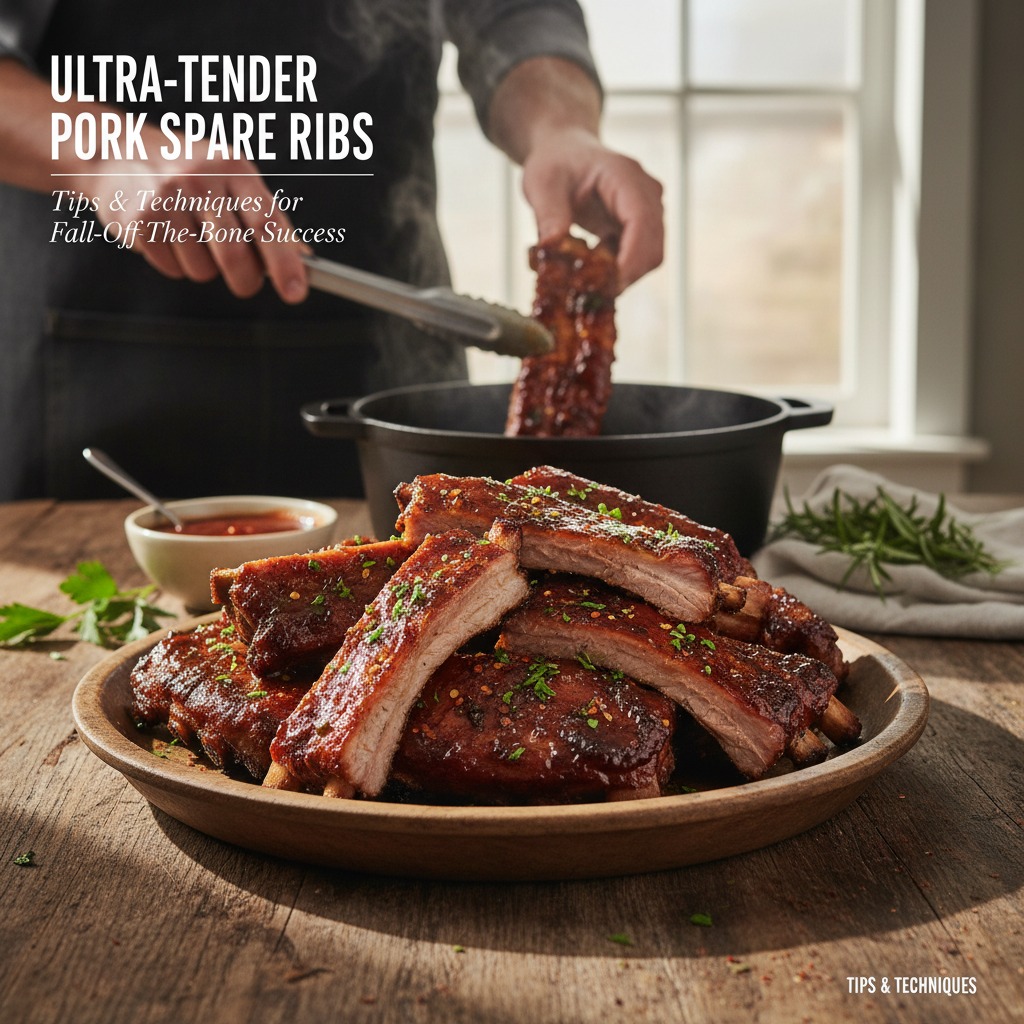
Ultra-Tender Pork Spare Ribs: Tips & Techniques for Fall-Off-the-Bone Success
Master the craft of ultra-tender pork spare ribs with practical, no-nonsense techniques for selecting, prepping, smoking, and finishing. This guide focuses on what matters—temperature control, testing for doneness, wrapping choices, and common fixes—so your next rack comes out juicy, tender, and perfectly sauced.

Recipes
DIY Edible Monster Eyes Candy
Make safe, fun edible monster eyes for cupcakes, cookies, and candy trays. Step-by-step recipes show baking-soda balls, chocolate and fondant eyes, wafer-print options, plus assembly, storage, and kid-friendly safety tips.

Recipes
No-Bake Funny Halloween Treats: 15 Quick Recipes
15 no-bake, funny Halloween treats that busy hosts can assemble in minutes — kid-friendly sweets, savory bites, and easy cocktails that don’t need an oven. Built for last-minute parties, with pantry-staple shortcuts and quick decoration ideas.
More from Pork
View all Pork recipes →
Grilled Pineapple and Rum-Glazed Pork Tenderloin

Korean Grilled Pork Collar Steaks (Moksal) with Gochujang-Honey Glaze and Quick Cucumber Kimchi

Cider-Braised Pork Shoulder with Apples

Potato-Chip-Crusted Pork Schnitzel Bowl

Hickory-Smoked Pork Shoulder Burnt Ends with Bourbon-Maple Glaze

Porchetta-Style Rolled Pork Belly with Crispy Crackling and Sage-Pancetta Herb Filling

Crispy Pork Milanese with Lemon-Parmesan Arugula Salad and Spicy Caper Vinaigrette

Coffee-Chile Rubbed Pork Tenderloin with Charred Peach Salsa and Cilantro-Lime Rice

Sheet-Pan Mustard-Herb Pork Tenderloin with Roasted Sweet Potatoes and Garlic-Parmesan Pan Sauce
Ask me anything about this recipe — substitutions, scaling, techniques, timing.
Powered by AI · 6 questions per 5 minutes, 30 per day