Stovetop Mac and Cheese
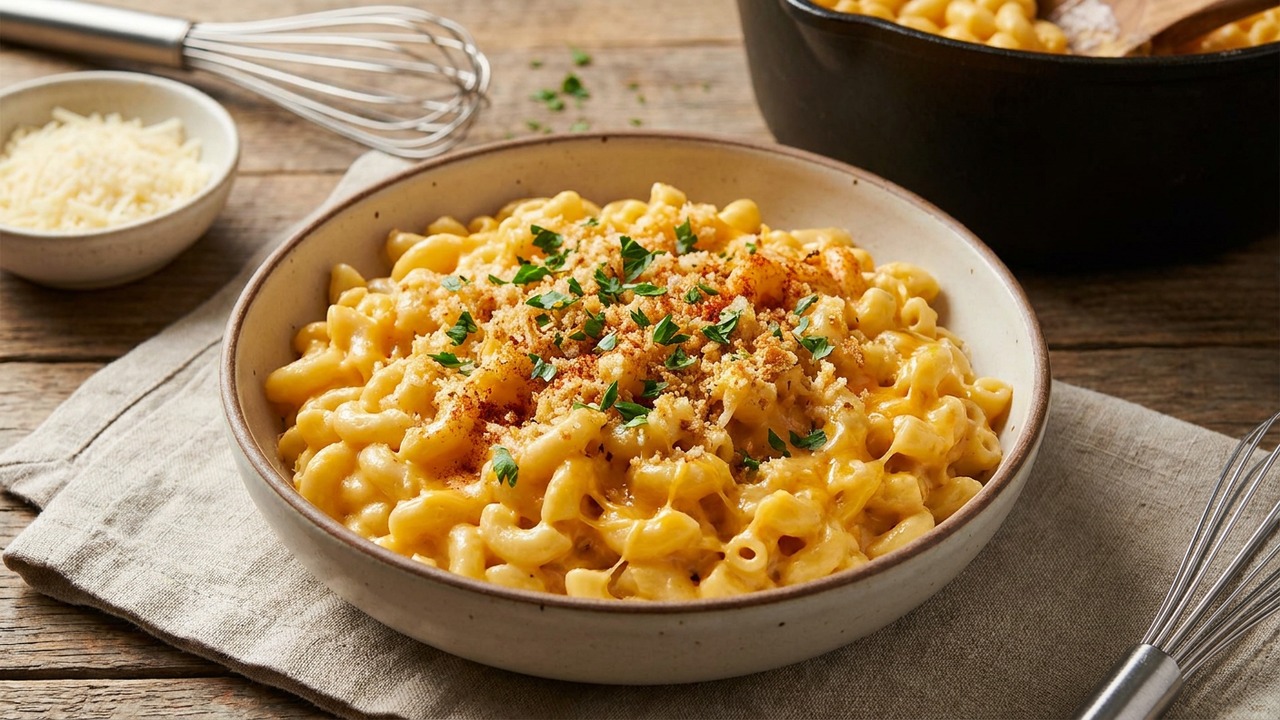
A foolproof, ultra-creamy stovetop mac and cheese that finishes in under 30 minutes. It uses a classic butter-and-flour roux, warm milk and cream, and a two-cheese blend for a smooth, velvety sauce that clings to every noodle.
Ingredient Spotlight
Gruyère
Gruyère is a hard Swiss cow’s‑milk cheese from the Gruyères region, prized for its complex, nutty, slightly sweet flavor and excellent melting qualities. It’s commonly used in dishes like fondue, gratins, and upscale mac and cheese where a smooth, rich melt is desired. You’ll find it in the specialty or refrigerated cheese section of most supermarkets or at a cheese shop; good substitutes are Emmental, Comté, or a mild aged Swiss for similar melting and flavor notes.
Ingredient Spotlight
Fontina
Fontina is an Italian cow’s‑milk cheese that ranges from semi‑soft to firm, with a creamy texture and a mild, earthy, slightly nutty flavor that melts smoothly. It’s traditional in Italian cooking for sauces and baked dishes and is often offered as an alternative to Gruyère for a softer, creamier melt. Look for it in supermarket cheese cases or specialty shops; substitutes include young Gouda, provolone, or a mild Gruyère/Emmental blend.
Jake Woods's note
"This version is all about texture — warm dairy, a light roux, and adding cheese off the heat make it reliably silky. It’s perfect for weeknights, dinner parties, or anytime you want indulgent comfort without a long bake."
About This Recipe
This stovetop mac and cheese is built to do exactly what good comfort food should: arrive on the table hot, silky, and impossible to resist, without a single temperamental step. A restrained roux gives the sauce body without heaviness, while the combination of whole milk and a splash of cream keeps the texture lush and spoonable. Sharp cheddar brings that classic, tangy backbone and color, and Gruyère (or fontina) adds the nutty, stretchy melt that makes the sauce cling to every elbow. The Dijon is a tiny, clever lift—more of a brightener than a flavor you’ll identify, but it keeps the richness from flattening out.
What makes this version work repeatedly is the timing: slightly undercook the pasta, reserve starchy cooking water, whisk the dairy into a lovingly cooked but pale roux, and always melt your cheese off the heat. Those small controls prevent graininess and oil separation and give you a sauce that reawakens beautifully with a splash of reserved water. It’s fast enough for weeknight family dinners, elegant enough for a casual dinner party, and forgiving when you want to tweak it for add-ins or a crunchy breadcrumb finish.
Ingredients for Stovetop Mac and Cheese
- 12 oz Elbow macaroni
- 1 tsp Kosher salt (for pasta water and seasoning)
- 3 tbsp Unsalted butter
- 3 tbsp All-purpose flour
- 2 cups Whole milk
- 1/2 cup Heavy cream
- 1 tsp Dijon mustard
- 2 cups Sharp cheddar, finely shredded
- 1 cup Gruyère, finely shredded (or fontina)
- 1/2 tsp Freshly ground black pepper
How to Make Stovetop Mac and Cheese
Step 1: Cook the pasta
Bring a large pot of generously salted water to a rolling boil and add the elbow macaroni. Cook 1–2 minutes less than package directions so the pasta is just shy of al dente; reserve 1 cup of the starchy pasta cooking water before draining. Drain the pasta and set aside while you make the sauce.For this step
- 12 ozElbow macaroni
- 1 tspKosher salt (for pasta water and seasoning)
Step 2: Make a light roux
In the same pot or a heavy 3–4 quart saucepan over medium heat, melt the butter. Whisk in the flour until a smooth paste forms and cook, whisking constantly, for 60–90 seconds to remove the raw flour taste but not brown it. This creates the base that will thicken the sauce without graininess.For this step
- 3 tbspUnsalted butter
- 3 tbspAll-purpose flour
Step 3: Create the creamy base
Slowly whisk in the whole milk and heavy cream, a little at a time, until fully incorporated and silky. Bring the mixture to a gentle simmer (do not boil) and whisk in the Dijon mustard; simmer for 2–3 minutes until the sauce thickens slightly and coats the back of a spoon.For this step
- 2 cupsWhole milk
- 1/2 cupHeavy cream
- 1 tspDijon mustard
Step 4: Melt in the cheeses off the heat
Reduce the heat to low or remove the pot from the burner and add the shredded cheddar and Gruyère in two batches, whisking or stirring until each addition is fully melted and the sauce is glossy. Using low heat and warm dairy prevents the cheese from becoming grainy or oil-separating.For this step
- 2 cupsSharp cheddar, finely shredded
- 1 cupGruyère, finely shredded (or fontina)
Step 5: Finish by combining pasta and sauce
Return the drained pasta to the pot with the cheese sauce and gently fold to coat, adding reserved pasta water a few tablespoons at a time to loosen until you reach a silky, clingy consistency. Taste and season with freshly ground black pepper and more kosher salt if needed.For this step
- 1/2 tspFreshly ground black pepper
Step 6: Rest and serve
Remove from heat and let the mac rest 1–2 minutes so the sauce settles; it will thicken as it cools slightly. Serve immediately (top with extra cheese, breadcrumbs, or a sprinkle of paprika if desired), and if the sauce tightens too much later, reheat gently with a splash of reserved pasta water.


- Bring a large pot of generously salted water to a rolling boil and add the elbow macaroni. Cook 1–2 minutes less than package directions so the pasta is just shy of al dente; reserve 1 cup of the starchy pasta cooking water before draining. Drain the pasta and set aside while you make the sauce.
- In the same pot or a heavy 3–4 quart saucepan over medium heat, melt the butter. Whisk in the flour until a smooth paste forms and cook, whisking constantly, for 60–90 seconds to remove the raw flour taste but not brown it. This creates the base that will thicken the sauce without graininess.
- Slowly whisk in the whole milk and heavy cream, a little at a time, until fully incorporated and silky. Bring the mixture to a gentle simmer (do not boil) and whisk in the Dijon mustard; simmer for 2–3 minutes until the sauce thickens slightly and coats the back of a spoon.
- Reduce the heat to low or remove the pot from the burner and add the shredded cheddar and Gruyère in two batches, whisking or stirring until each addition is fully melted and the sauce is glossy. Using low heat and warm dairy prevents the cheese from becoming grainy or oil-separating.
- Return the drained pasta to the pot with the cheese sauce and gently fold to coat, adding reserved pasta water a few tablespoons at a time to loosen until you reach a silky, clingy consistency. Taste and season with freshly ground black pepper and more kosher salt if needed.
- Remove from heat and let the mac rest 1–2 minutes so the sauce settles; it will thicken as it cools slightly. Serve immediately (top with extra cheese, breadcrumbs, or a sprinkle of paprika if desired), and if the sauce tightens too much later, reheat gently with a splash of reserved pasta water.
Stovetop Mac and Cheese Tips
Undercook the Pasta
Boil the elbows 1–2 minutes shy of al dente so they finish cooking in the sauce and keep a pleasing bite rather than going mushy.
Warm Liquids First
Bring the milk and cream just to a gentle simmer before adding to the roux—using warm dairy keeps the sauce smooth and speeds thickening.
Grate Cheese Fresh
Buy blocks and shred yourself so the cheese melts cleanly; pre-shredded cheeses contain anti-caking agents that can make the sauce grainy.
Control the Heat
Remove the pot from the burner before adding cheese and finish on the lowest heat to prevent separation and a greasy texture.
Use Reserved Pasta Water
Starchy cooking water loosens the sauce and helps it adhere to noodles—add a tablespoon at a time until the sauce is silky.
Stovetop Mac and Cheese Variations and Substitutions
Breadcrumb-Crisp Finish
Transfer to a shallow baking dish, scatter a mix of panko and grated Parmesan, and broil for 3–5 minutes until golden for a crunchy contrast.
Smoky Bacon & Onion
Sauté diced bacon and a finely chopped small onion until caramelized, then fold into the finished mac for smoky depth and texture.
Vegetarian Lighter Swap
Use a 2% milk and omit the cream, add an extra ounce of Gruyère for flavor balance, and boost Dijon to 1½ teaspoons to maintain brightness.
Gluten-Free Option
Use a gluten-free all-purpose flour for the roux and swap the elbows for a GF pasta shape; cook times for the pasta may vary, so follow package directions.
How to Store and Make Stovetop Mac and Cheese Ahead
Cool leftovers to room temperature within an hour, transfer to an airtight container, and refrigerate for up to 3 days. Reheat gently on the stove over low heat, stirring with a splash of milk or reserved pasta water to revive the sauce; microwave in short bursts also works but stir frequently. You can freeze portions, though thawed sauce may be slightly grainier—reheat slowly with extra liquid to restore creaminess.
What to Serve With Stovetop Mac and Cheese
Cut the richness with something bright and textural: a simple arugula salad dressed with lemon and olive oil, quick-pickled cucumbers, or roasted broccoli with a squeeze of lemon. For proteins, grilled chicken or crispy pork chops pair nicely. With drinks, choose a crisp sauvignon blanc, a zesty saison, or a malty amber ale to stand up to the cheese.
Stovetop Mac and Cheese FAQs
Can I use pre-shredded cheese?
You can, but pre-shredded cheese often contains anti-caking additives that inhibit smooth melting and can lead to a grainy or slightly separated sauce; shredding from a block gives the best texture.
My sauce looks grainy—how do I fix it?
Lower the heat immediately and whisk in warm milk or reserved pasta water a little at a time; you can also blitz the sauce briefly with an immersion blender to smooth it out, then gently reheat.
Can I bake this recipe with a topping?
Yes—after combining, transfer to a buttered baking dish, top with breadcrumbs or extra cheese, and bake at 375°F until bubbling and golden, about 15–20 minutes.
How much salt should I add overall?
Season the pasta water generously so the noodles absorb flavor, then taste the finished dish and add kosher salt sparingly; the cheeses contribute a lot of sodium so season toward the end.
Is there an easy way to stretch this to feed more people?
You can stretch the sauce by increasing milk by ½–1 cup and adding an extra ounce of cheese; keep the roux proportionate (1 tbsp butter + 1 tbsp flour per additional half-cup dairy) to maintain thickness.
About the author
Jake WoodsHello, I'm Jake. I started this recipe site with the idea that I hated recipe websites that overwhelm you with long stories and ads just to see plain content that's not helpful. My goal is to provide you with quality recipes, simple ideas and a fun cooking experience. There's lots of fun things to cook, and I think as you browse the site you'll find that TopShelf.Recipes is the place for quality recipes on the web.
See all recipes by Jake Woods →Ratings & Reviews
Did you make this recipe?
Be the first to share your experience.
Nutrition Facts
Per serving: about 4 cups
Nutrition values are estimated from USDA ingredient data and may vary based on preparation, brands, and portion sizes. Values are provided for informational purposes only.
Keep Reading
Guides & articles for this recipe

Healthy Eating
Gluten-Free Weeknight Grilling Plan
A 7-day gluten-free weeknight grilling plan with quick, family-friendly recipes, prep-ahead timelines, and a printable shopping list that spotlights late-summer produce and pantry staples. Includes clear cross-contamination safety tips and simple swaps to keep dinners fast and crowd-pleasing.

Healthy Eating
Low-Fat Grill Swaps for Big Flavor
A practical guide to trimming fat from grilled meals without losing juiciness or char. Learn yogurt- and citrus-based marinades, lean protein picks, searing and indirect-heat tricks, plus 5 quick low-fat marinades and a simple weeknight plan.

Recipes
DIY Edible Monster Eyes Candy
Make safe, fun edible monster eyes for cupcakes, cookies, and candy trays. Step-by-step recipes show baking-soda balls, chocolate and fondant eyes, wafer-print options, plus assembly, storage, and kid-friendly safety tips.
More from Stovetop
View all Stovetop recipes →
Labor Day Grilled Lobster Rolls with Charred Scallion Brown Butter & Lemon‑Herb Aioli

One-Pot Beef Bolognese

Stovetop Dutch-Oven Herb-Crusted Beef Roast with Pan Gravy

Dubai Tacos

Italian-Style Pot Roast with Tomatoes Olives and Fresh Herbs

Hainanese Chicken Rice

Pad Krapow Pork

Twice-Fried Restaurant Style Crispy Sweet Potato Fries (Stovetop Deep Fry)

Xiao Long Bao Soup Dumplings
Ask me anything about this recipe — substitutions, scaling, techniques, timing.
Powered by AI · 6 questions per 5 minutes, 30 per day