Teriyaki Chicken
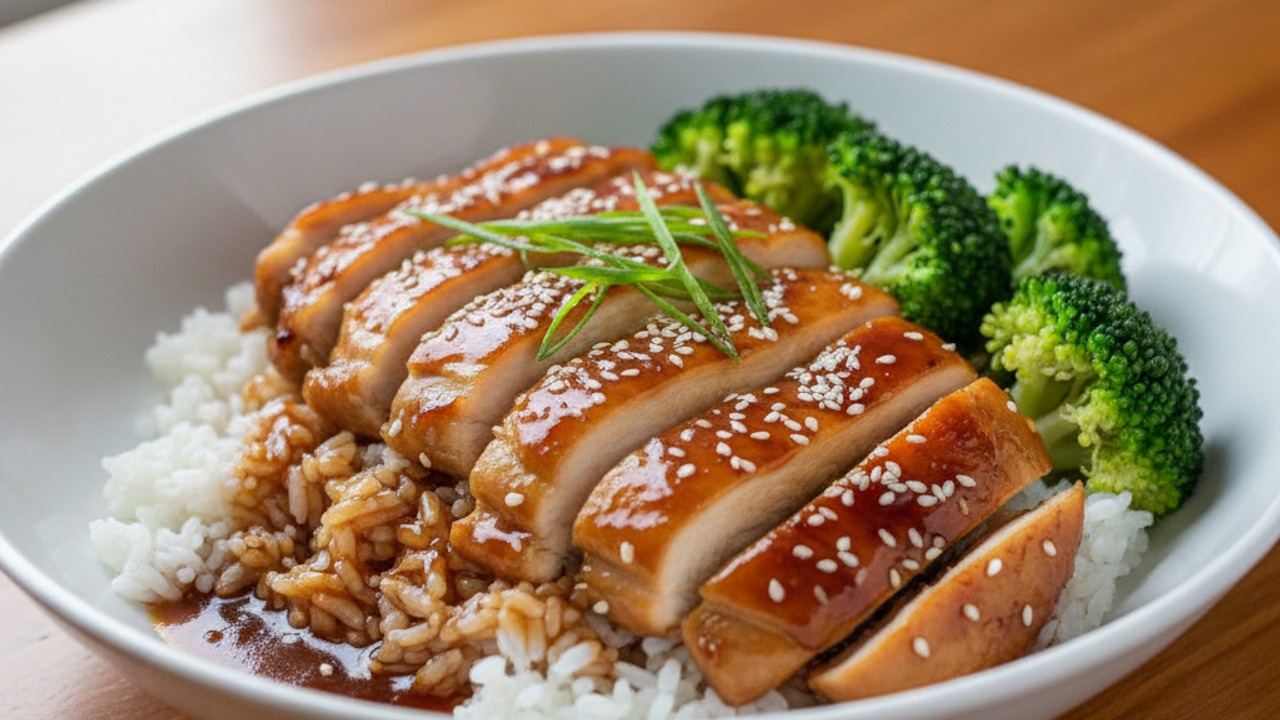
A classic, glossy teriyaki chicken with a sweet-savory homemade glaze. Quick to make on the stovetop, it’s perfect for weeknight dinners and pairs beautifully with steamed rice and vegetables.
Ingredient Spotlight
Mirin (or substitute: 1 tbsp rice vinegar + 2 tsp sugar)
Mirin is a sweet Japanese rice wine used in cooking (a staple of Japanese cuisine) that adds sweetness, gloss, and a mild umami depth to sauces and glazes. It tastes mildly sweet with a low-booze warmth and a subtle tang that balances salty soy-based mixtures. You can find mirin in the Asian aisle of most supermarkets or at Asian grocery stores; the listed substitute (1 tbsp rice vinegar + 2 tsp sugar) works well in a pinch, or you can use sweet cooking sake or a splash of dry sherry plus a little sugar as alternatives.
Jake Woods's note
"This simple teriyaki chicken delivers restaurant-style flavor with a short marinade and a sticky pan glaze. It’s a great weeknight recipe that scales easily and always pleases picky eaters."
About This Recipe
This teriyaki chicken is the kind of weeknight recipe that reliably looks and tastes special without drama. Boneless skinless thighs deliver the caramelized edges and tender, juicy interior that make every bite glossy and satisfying, while a straightforward mix of soy, mirin, brown sugar, ginger, and garlic creates that familiar balance of sweet, salty and warming aromatics. The cornstarch slurry is the small technical trick that turns a thin pan sauce into the clingy, shiny glaze that makes rice and vegetables taste like part of the whole dish rather than mere sides.
What makes this version work is the intent behind each step: a short marinate to infuse flavor, a hot sear to build browned bits, and a quick reduction of the reserved marinade to both concentrate flavor and ensure safety. It’s written for cooks who want fast dinner wins—no special equipment, no long overnight brines—yet it rewards attention to temperature and timing. Great for family dinners, meal-prep portions, or scaling up for friends, it holds up well sliced and plated or packed into lunch boxes with an extra spoonful of glaze.
Ingredients for Teriyaki Chicken
- 1 1/2 lb Boneless skinless chicken thighs
- 1/3 cup Soy sauce (reduced-sodium preferred)
- 3 tbsp Mirin (or substitute: 1 tbsp rice vinegar + 2 tsp sugar)
- 2 tbsp Packed brown sugar
- 2 cloves Garlic, minced
- 1 tbsp Fresh ginger, grated
- 1 tbsp Vegetable oil (or neutral oil)
- 1 tbsp Cornstarch
- 2 tbsp Garnish: sliced green onions and sesame seeds
How to Make Teriyaki Chicken
Step 1: Make the marinade and marinate the chicken
Whisk together soy sauce, mirin, brown sugar, minced garlic, and grated ginger in a bowl. Add the chicken thighs, turning to coat; let sit for 15 minutes at room temperature (or refrigerate up to 2 hours for deeper flavor).For this step
- 1 1/2 lbBoneless skinless chicken thighs
- 1/3 cupSoy sauce (reduced-sodium preferred)
- 3 tbspMirin (or substitute: 1 tbsp rice vinegar + 2 tsp sugar)
- 2 tbspPacked brown sugar
- 2 clovesGarlic, minced
- 1 tbspFresh ginger, grated
Step 2: Sear the chicken
Heat a large skillet over medium-high heat and add the vegetable oil. Remove chicken from the marinade (reserve marinade), pat lightly dry, and sear 4–5 minutes per side until golden and mostly cooked through. Transfer chicken to a plate.For this step
- 1 tbspVegetable oil (or neutral oil)
Step 3: Make the teriyaki glaze
Pour the reserved marinade into the hot skillet and bring to a simmer, scraping up browned bits. Mix the cornstarch with 1 tablespoon cold water to form a slurry and whisk into the simmering sauce; cook until the sauce thickens and becomes glossy, about 1–2 minutes.For this step
- 1 tbspCornstarch
Step 4: Glaze the chicken
Return the seared chicken to the skillet and spoon the glaze over each piece. Reduce heat to medium-low and simmer 2–4 minutes more, turning the chicken to coat, until the internal temperature reaches 165°F (74°C) and the sauce clings to the chicken.Step 5: Rest, slice and garnish
Let the chicken rest 3–4 minutes, then slice if desired. Spoon extra glaze over the slices and finish with sliced green onions and a sprinkle of sesame seeds for color and crunch.For this step
- 2 tbspGarnish: sliced green onions and sesame seeds
Step 6: Serve and enjoy
Serve the teriyaki chicken hot with steamed rice and vegetables. Leftovers keep well refrigerated for 2–3 days and reheat gently in a skillet to preserve the glaze.


- Whisk together soy sauce, mirin, brown sugar, minced garlic, and grated ginger in a bowl. Add the chicken thighs, turning to coat; let sit for 15 minutes at room temperature (or refrigerate up to 2 hours for deeper flavor).
- Heat a large skillet over medium-high heat and add the vegetable oil. Remove chicken from the marinade (reserve marinade), pat lightly dry, and sear 4–5 minutes per side until golden and mostly cooked through. Transfer chicken to a plate.
- Pour the reserved marinade into the hot skillet and bring to a simmer, scraping up browned bits. Mix the cornstarch with 1 tablespoon cold water to form a slurry and whisk into the simmering sauce; cook until the sauce thickens and becomes glossy, about 1–2 minutes.
- Return the seared chicken to the skillet and spoon the glaze over each piece. Reduce heat to medium-low and simmer 2–4 minutes more, turning the chicken to coat, until the internal temperature reaches 165°F (74°C) and the sauce clings to the chicken.
- Let the chicken rest 3–4 minutes, then slice if desired. Spoon extra glaze over the slices and finish with sliced green onions and a sprinkle of sesame seeds for color and crunch.
- Serve the teriyaki chicken hot with steamed rice and vegetables. Leftovers keep well refrigerated for 2–3 days and reheat gently in a skillet to preserve the glaze.
Teriyaki Chicken Tips
Pat chicken dry
Lightly drying the thighs before searing removes excess marinade so the pan can develop a proper brown crust instead of steaming the meat.
Use boneless thighs
Thighs tolerate high heat and stay moist; if you use breasts, pound them even in thickness and reduce sear time to avoid drying out.
Reserve then simmer marinade
Always bring the reserved marinade to a full simmer for at least a minute to eliminate any bacteria from the raw chicken before adding the cornstarch.
Cornstarch slurry timing
Mix the cornstarch with cold water and add it to the simmering sauce; it thickens in seconds, so remove from high heat quickly to keep the glaze glossy.
Rest then slice
Let the chicken rest 3–4 minutes before slicing to keep juices locked in, and cut against the grain for the most tender mouthfeel.
Teriyaki Chicken Variations and Substitutions
Chicken breast swap
Use boneless skinless breasts but pound them to an even thickness and sear briefly; reduce cooking time and check the internal temperature to prevent overcooking.
Lower-sugar glaze
Cut the brown sugar to 1 tablespoon and add 1–2 teaspoons of honey or a splash of low-sodium chicken stock to keep body while reducing sweetness.
Gluten-free option
Substitute tamari or a gluten-free soy sauce at a 1:1 ratio and ensure your mirin (or rice vinegar) is labeled gluten-free for a safe swap.
Spicy chili teriyaki
Stir in 1–2 teaspoons of chili garlic sauce, sriracha, or a pinch of red pepper flakes into the marinade for a warm, spicy lift.
How to Store and Make Teriyaki Chicken Ahead
Store leftovers in an airtight container in the refrigerator for 2–3 days. To freeze, slice the chicken, arrange it flat in a freezer-safe container and freeze for up to 2 months; thaw overnight in the fridge before reheating. Reheat gently in a skillet over low heat with a splash of water or stock to loosen the glaze, or microwave covered in short bursts to avoid drying.
What to Serve With Teriyaki Chicken
Serve over steamed short-grain rice or garlic fried rice and add crisp vegetables like sautéed snap peas, blistered broccoli, or quick-pickled cucumbers for brightness. Garnish with sliced green onions and sesame seeds, and offer chili oil or shichimi togarashi on the side for those who like heat. For drinks, a chilled lager, cold green tea, or a dry sake complements the sweet-salty glaze.
Teriyaki Chicken FAQs
Can I use the marinade as a sauce even though it touched raw chicken?
Yes, but only after you bring it to a full simmer; boiling the reserved marinade for at least a minute kills harmful bacteria and concentrates the flavors into a safe glaze.
Why did my glaze turn dull or grainy?
That can happen if the cornstarch slurry was added to a rapidly boiling sauce or not dissolved fully; always mix the slurry in cold water first and whisk it into a gently simmering pan, then remove from high heat once glossy.
How do I prevent the chicken from sticking to the pan?
Make sure the skillet is hot and use a thin layer of neutral oil; let the chicken develop a golden crust and resist flipping too soon—if it’s sticking it likely isn’t ready to turn.
Can I marinate the chicken longer than 2 hours?
You can refrigerate it up to about 4–6 hours safely, but because the marinade is relatively salty and sugary, very long marinating can start to firm the surface; overnight isn’t necessary for thighs and may change texture.
How can I thicken the sauce more without cornstarch?
Simmer the reserved marinade longer to reduce and concentrate it, or whisk in a small amount of butter off the heat for sheen; alternative thickeners include a rice flour slurry or a tiny pinch of xanthan gum blended into cold liquid first.
About the author
Jake WoodsHello, I'm Jake. I started this recipe site with the idea that I hated recipe websites that overwhelm you with long stories and ads just to see plain content that's not helpful. My goal is to provide you with quality recipes, simple ideas and a fun cooking experience. There's lots of fun things to cook, and I think as you browse the site you'll find that TopShelf.Recipes is the place for quality recipes on the web.
See all recipes by Jake Woods →Ratings & Reviews
Did you make this recipe?
Be the first to share your experience.
Nutrition Facts
Per serving: 4 oz thigh
Nutrition values are estimated from USDA ingredient data and may vary based on preparation, brands, and portion sizes. Values are provided for informational purposes only.
Keep Reading
Guides & articles for this recipe

Guides
Nighttime Grilling Guide: Light, Low-Heat, Recipes
A practical guide to grilling after dark covering lighting and safety gear, low-heat cooking techniques, insect- and weather-proofing, and easy late-summer recipes. Learn cast-iron finishes, foil-packet meals, and indirect roasts plus 8–10 night-friendly recipes and menu ideas for relaxed late-summer cookouts.

Healthy Eating
Gluten-Free Weeknight Grilling Plan
A 7-day gluten-free weeknight grilling plan with quick, family-friendly recipes, prep-ahead timelines, and a printable shopping list that spotlights late-summer produce and pantry staples. Includes clear cross-contamination safety tips and simple swaps to keep dinners fast and crowd-pleasing.

Healthy Eating
Low-Fat Grill Swaps for Big Flavor
A practical guide to trimming fat from grilled meals without losing juiciness or char. Learn yogurt- and citrus-based marinades, lean protein picks, searing and indirect-heat tricks, plus 5 quick low-fat marinades and a simple weeknight plan.
More from General
View all General recipes →
Easy Peanut Butter Bars

Lemon Butter Salmon

Carbonara Garlic Cream Sauce

Honey Garlic Glazed Salmon

One-pot Portuguese Chicken and Rice

Huli Huli Chicken

Summer Berry Trifle

Blueberry Cheesecake Cookies

Viral Dr Pepper Butter
Ask me anything about this recipe — substitutions, scaling, techniques, timing.
Powered by AI · 6 questions per 5 minutes, 30 per day