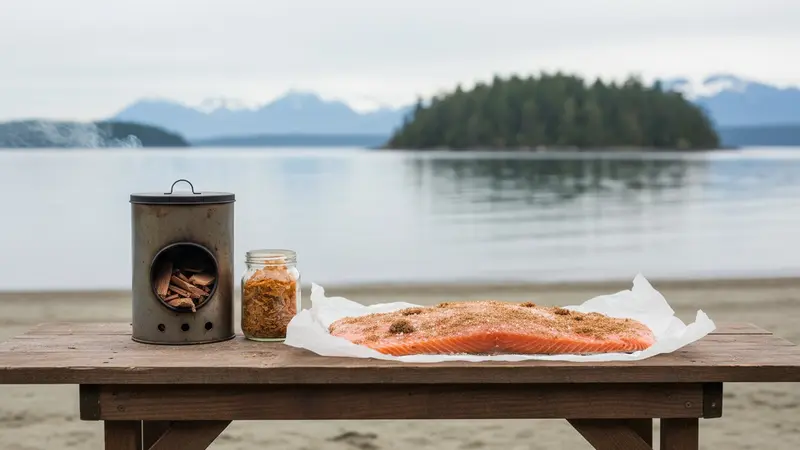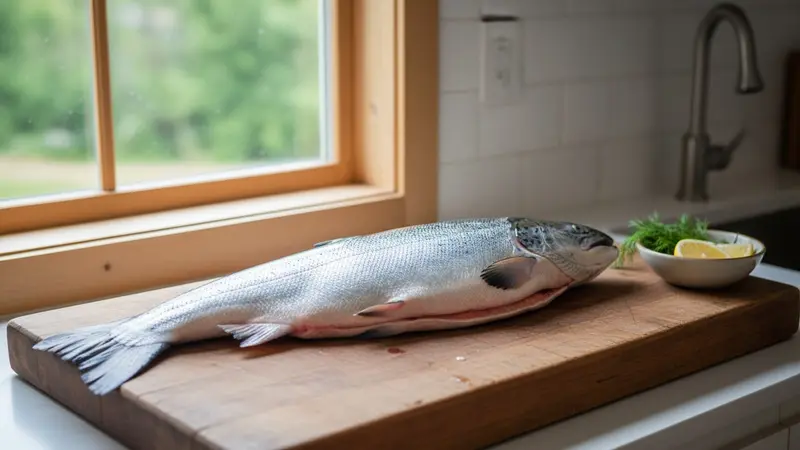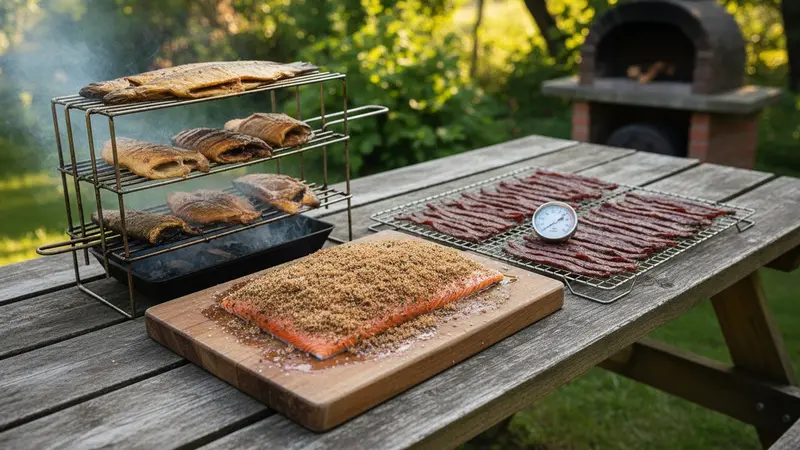
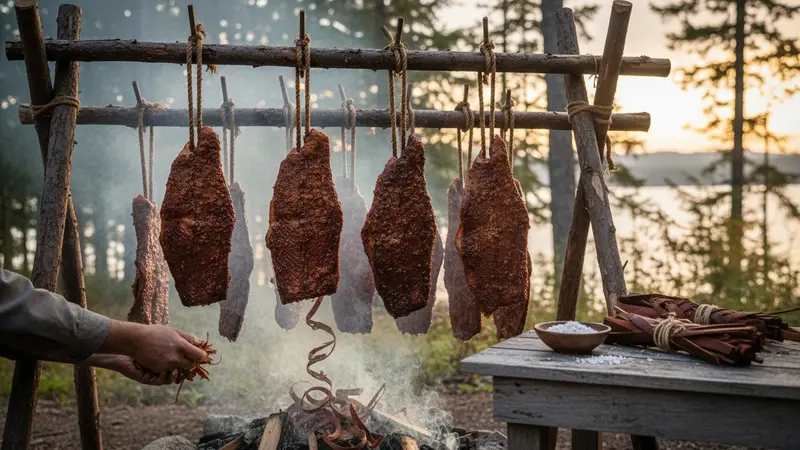
On the Northwest coast, salmon isn't just an ingredient; it's a seasonal rhythm and a social glue. Communities time harvests to runs, share catches widely, and use low-and-slow smoke and drying to make fish last through lean months. Those preservation methods—salt, smoke, hanging racks of half-dried fish—produce textures and flavors that different households have preferred for generations, and they often carry ceremony alongside practicality.
If you're approaching these techniques as a home cook, start from an attitude of learning and permission. Many Indigenous methods are taught within families and communities, and some protocols are culturally specific. That doesn't mean you can't learn; it means you should seek teaching from local knowledge-keepers, attend public workshops when offered, and credit the origins of methods you adopt.
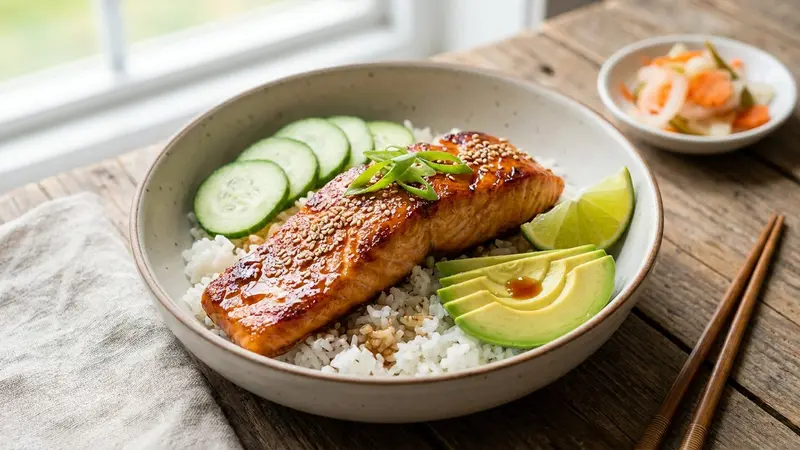
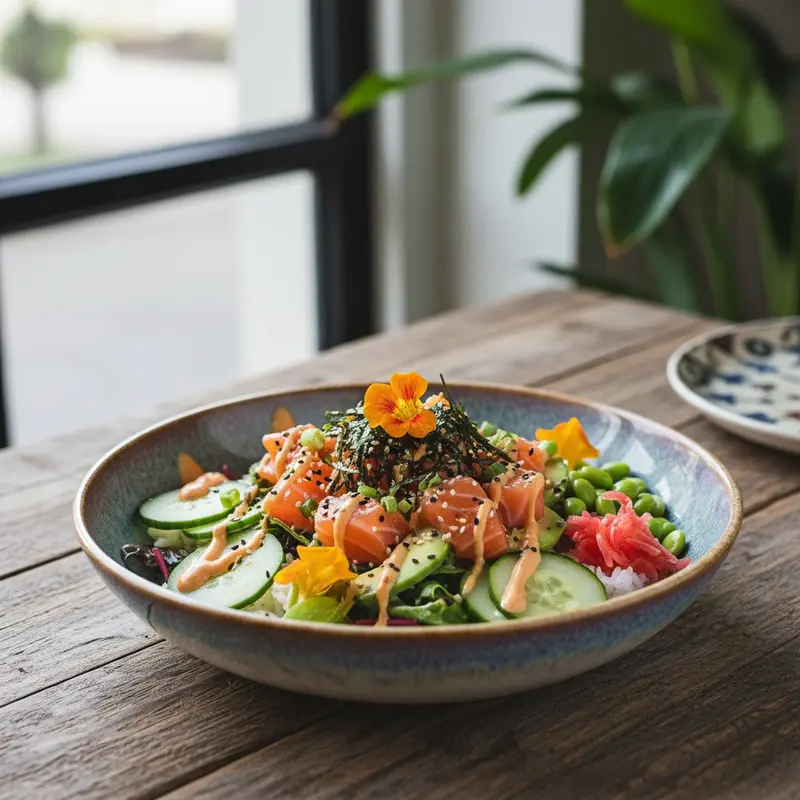
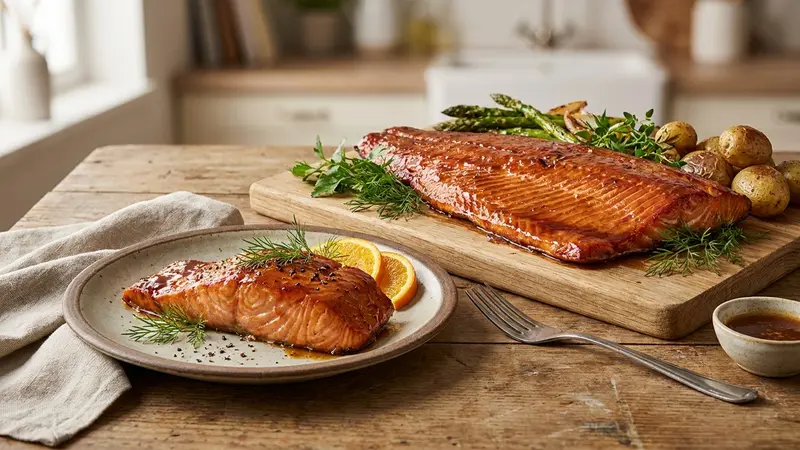
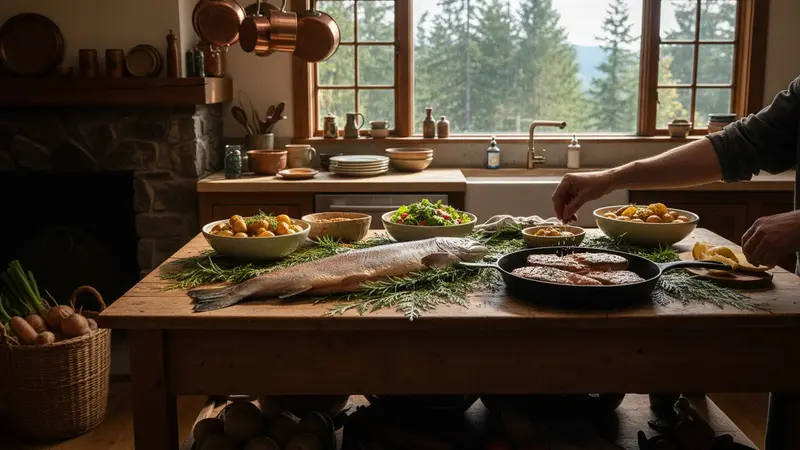
In practical terms, expect smoked and dried salmon to be central ingredients in the kitchen and at the table: flakes folded into soups, shaved thin for cold appetizers, or served as the centerpiece at communal meals. The flavors are smoky, sometimes sweet or nutty from alder or cedar, and often intentionally balanced with simple sides like bannock, steamed greens, or pickled vegetables that cut the richness.